




Prioritise Breathable and Quick-Drying Fabrics
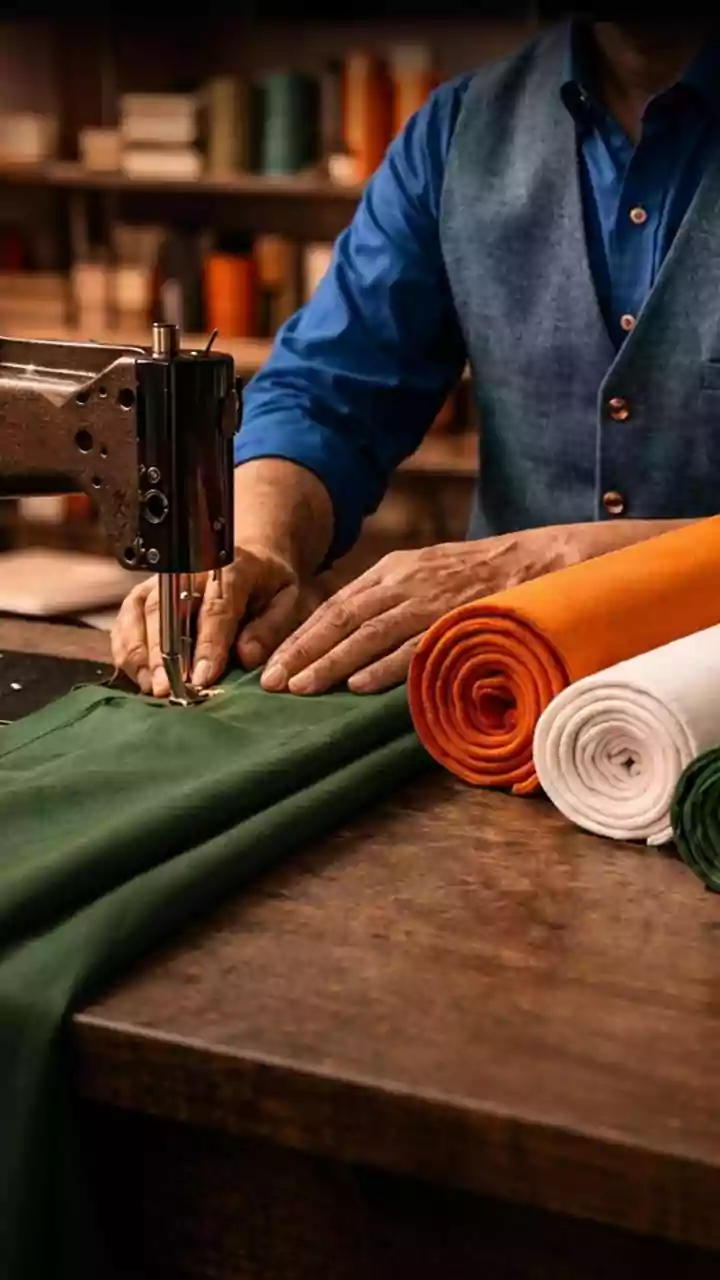
The single most important decision you'll make is your choice of fabric. During the South Indian monsoon, humidity can be relentless, meaning clothes that trap moisture will leave you feeling sticky and uncomfortable. Natural fibers are a great starting
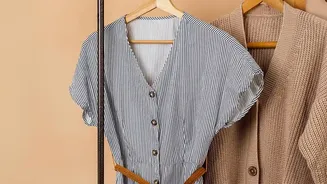
point. Lightweight cottons like mulmul and cotton voile are exceptionally breathable. Linen is another excellent choice, prized for its ability to dry faster than almost any other natural fabric, though it does wrinkle easily. For a modern twist, consider fabrics like hemp and bamboo, which are not only breathable but also have natural anti-microbial properties that help resist mildewy odours in the damp climate. While heavy cotton and denim should be avoided as they absorb water and take ages to dry, some synthetic blends can be your friends. Materials like rayon, georgette, and crepe are lightweight, don't cling, and dry very quickly, making them monsoon essentials.
Choose Silhouettes That Promote Airflow
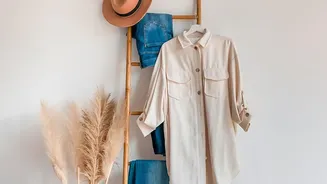
How your clothes are cut is just as important as the material they are made from. Tight-fitting garments like skinny jeans or body-hugging tops are a bad idea in high humidity as they trap heat and sweat. Instead, opt for loose, airy silhouettes that allow for better air circulation around your body. Think A-line dresses, relaxed-fit kurtas, wide-leg trousers, and culottes. These styles skim the body rather than clinging to it, which makes a world of difference in comfort. Hemlines also require strategic thinking. Avoid floor-length skirts, maxis, and palazzos that can easily get soaked and drag through puddles. Midi dresses, ankle-length trousers, and cropped pants are far more practical for navigating wet streets.
Be Strategic With Colours and Prints
While it might be tempting to wear light colours to beat the heat, the monsoon makes them a liability. White and light pastels show mud splashes and water marks very easily. Instead, lean towards darker shades for your bottom wear, like navy, charcoal, or black, which are excellent for camouflaging dirt. However, this doesn't mean your entire outfit has to be sombre. The grey, overcast skies of the monsoon are the perfect backdrop for vibrant colours. Bright hues like red, yellow, coral, and pink on top can lift your mood and make a stylish statement. Prints are also a great tool; small, busy patterns can help disguise any minor water spots or wrinkles that appear during the day.
Rethink Your Footwear Completely
The wrong footwear can ruin your day during the monsoon. Leather shoes are a definite no, as water will damage them permanently. Canvas sneakers and espadrilles are also poor choices because they absorb water like a sponge and can take days to dry, leading to odours and potential fungal infections. Your best options are waterproof and quick-drying. Rubber or PVC sandals, flip-flops, and floaters are ideal for casual wear as they offer good grip and can be wiped dry instantly. For a more covered option, look for waterproof sneakers or rubber-soled shoes specifically designed for wet conditions. Whatever you choose, ensure it has a good grip, as pavements can become very slippery when wet.
Accessorise for Functionality
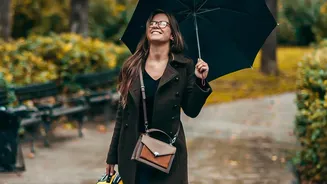
Accessories should also be chosen with the weather in mind. Swap your leather handbag for a waterproof nylon or PVC tote bag to keep your belongings safe and dry. A compact, sturdy umbrella is a non-negotiable item to carry at all times. If you enjoy wearing scarves, opt for lightweight cotton or quick-drying synthetic blends instead of wool or heavy silk. When it comes to jewellery, less is more. Minimalist pieces are often more comfortable in the humidity than heavy, elaborate ones. Finally, having a lightweight, packable rain jacket can be a lifesaver for when you're caught in a sudden downpour, especially during a commute.