



The Grand Vision: From Station to 'Railopolis'
The core idea driving this nationwide initiative is to reimagine railway stations as far more than just places to board a train. Under programmes like the Amrit Bharat Station Scheme, the goal is to create what officials are calling a 'Railopolis'—a self-sustained
ecosystem within the city. This model envisions stations as integrated complexes where people can live, work, shop, and find entertainment. The strategy serves multiple purposes: it drastically improves the passenger experience with airport-like amenities, decongests crowded city areas by centralising services, and creates a new, sustainable revenue stream for the railways through commercial asset monetization. More than 1,300 stations are being redeveloped, with each plan tailored to the local culture and needs, ensuring the new hubs reflect the city's unique identity.
Blueprint for a Modern Urban Hub
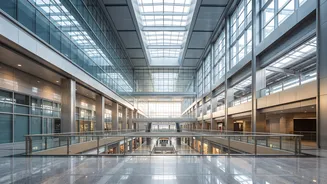
So, what does a redeveloped station actually look like? The blueprint goes far beyond new waiting rooms and cleaner platforms. These projects involve large-scale mixed-use development, turning railway land into prime real estate. The plans typically include sprawling retail arcades, modern office spaces, food courts, and even multi-star hotels, sometimes built directly above the tracks, as seen with the Gandhinagar Capital station. A key feature is multi-modal integration. The new stations are designed to seamlessly connect with city metro lines, bus depots, and taxi services, creating a unified transport hub that simplifies urban mobility. Pedestrian-friendly plazas, skywalks, and spacious concourses are designed to manage high footfall efficiently, transforming the chaotic entry and exit experience into a smooth, streamlined process.
Flagship Projects Leading the Charge
Several high-profile projects in India's biggest metro cities serve as flagships for this ambitious vision. In New Delhi, the NDLS redevelopment is a massive undertaking set to transform one of the country's busiest hubs into a world-class facility with dedicated zones for arrivals and departures, commercial towers, and improved connectivity. The project is so extensive that dozens of trains are being temporarily relocated to other terminals in the city to facilitate construction, which is expected to last several years. Similarly, the redevelopment of Mumbai's Chhatrapati Shivaji Maharaj Terminus (CSMT), a UNESCO World Heritage site, balances heritage preservation with modernization. The plan for CSMT includes an elevated deck connecting all platforms, a new shopping arcade, and commercial buildings, all while carefully preserving the iconic heritage structure.
The Economic Ripple Effect
The impact of these projects extends far beyond the station's boundaries, creating a significant economic ripple effect. By opening up millions of square feet of real estate for commercial development, the railways are attracting massive private investment into city centers. This new commercial activity is expected to boost local economies, generate thousands of direct and indirect jobs in construction and services, and spur ancillary development in surrounding neighbourhoods. For the real estate sector, these redevelopments are a game-changer. The creation of new office spaces, retail outlets, and hotels in centrally located, high-footfall areas is making these station precincts highly attractive for investors, potentially leading to an appreciation in property values and driving further urban growth.
Challenges on the Tracks
Executing such a monumental infrastructure overall is not without its hurdles. The primary challenge is carrying out large-scale construction at some of the busiest brownfield sites in the country without severely disrupting daily train operations and passenger movement. Projects like the CSMT redevelopment have faced complexities in coordinating with railway operations to free up platforms for construction work. Furthermore, securing funding has shifted from an initial focus on Public-Private Partnerships (PPP) to more direct execution models like EPC (Engineering, Procurement, and Construction) due to limited private sector participation in some earlier projects. Supply chain disruptions, as seen with material shortages impacting interior work at CSMT, can also cause delays. Despite these challenges, the progress continues, with the government committed to transforming the face of rail travel in India.