








The Power of a Tidy Space
Before diving into the 'how,' it's important to understand the 'why.' A cluttered environment doesn't just look messy; it can make you feel overwhelmed, stressed, and anxious. Research has shown that our physical environments significantly affect our cognition
and emotions. Clutter acts as visual noise, competing for your attention and making it harder to focus on the task at hand. Conversely, an organized space can promote a sense of calm, improve your mood, and even contribute to better sleep. By taking control of your surroundings, you restore a feeling of competency and pride, which can positively impact your mental well-being. The goal of a reset routine is not just to clean up, but to create a sanctuary where you can relax and feel in control.
Step 1: Define Your Zones
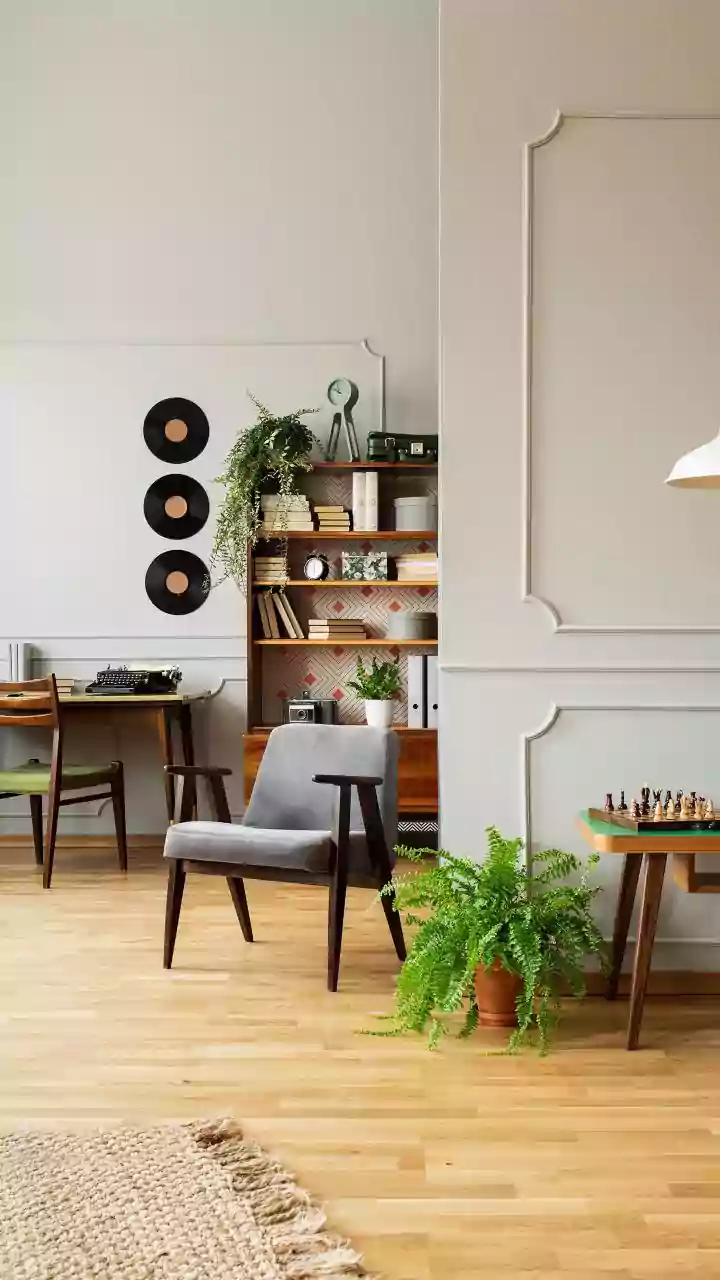
A multi-purpose room works best when each function has a designated area, or 'zone'. This doesn't require building walls. You can create visual boundaries using furniture placement, rugs, and lighting. For example, place your desk against one wall to create a distinct work zone. Use an area rug to anchor your living room seating, visually separating it from the dining area. Even a strategically placed armchair with a floor lamp can create a cozy reading nook. By assigning a purpose to each part of the room, you give it structure and intention, which instantly makes it feel less chaotic. This process of 'micro-zoning' helps your brain understand that different activities happen in different spots, making transitions smoother.
Step 2: The 15-Minute Nightly Reset
The core of this system is a short, consistent routine at the end of each day. Don't aim for a deep clean; the goal is a quick tidying session that resets the room for the next day. Set a timer for just 10 or 15 minutes. During this time, focus on high-impact tasks. Do a quick sweep of all flat surfaces like tables and countertops, putting away anything that doesn't belong there. Straighten pillows and fold blankets. If the room serves as your office, put away your laptop and work papers. If it’s a play area, gather toys into their designated bins. This simple act of 'closing up shop' signals the end of the day's activities and helps you start the next morning feeling ahead of the game instead of behind.
Step 3: Give Everything a Home
An effective reset is impossible if items don't have a designated place to go. This is a fundamental rule of organization: everything needs a home. Clutter multiplies when things are left without a storage spot. Invest in smart storage solutions that work for your zones. Use furniture with hidden storage, like an ottoman with a lid or a console table with drawers, to hide the chaos. For a workspace, use drawer organizers and file holders. For a kids' play zone, use baskets or bins that are easy for them to access. When every item has a specific home, the 15-minute reset becomes a simple matter of returning things to their rightful places, rather than a frustrating search for somewhere to stash them.
Step 4: Create Transition Rituals
Beyond just tidying, create small rituals that signal a shift in the room's function. These act as mental cues that help your brain transition from one mode to another. For example, ending your workday could involve not just putting away your laptop, but also lighting a candle or switching from bright overhead lights to a softer lamp. This small action helps you mentally disconnect from work and transition into relaxation mode. If your workout space is in the living room, the ritual might be rolling up your yoga mat and putting on some calming music. These transitions are powerful because they add an element of mindfulness to your routine, transforming a simple cleanup into an act of self-care that reclaims the space for its next purpose.