






So, What’s Really Changing on Your Snacks?
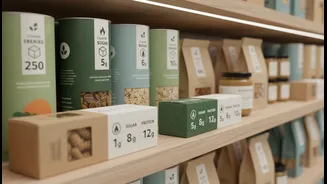
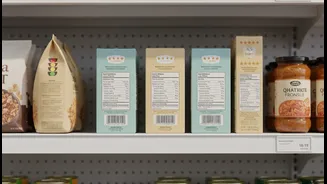
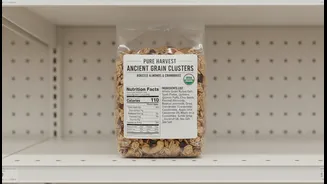
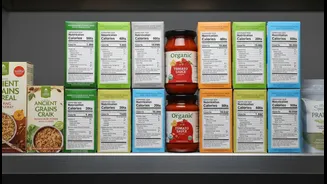
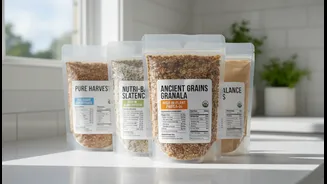
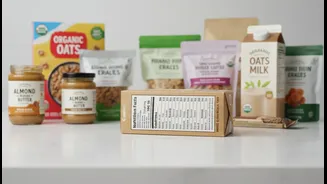
For years, the important nutritional details of packaged foods have been tucked away on the back in a small, often confusing table. FSSAI is changing this with a system called Front-of-Pack Labelling (FOPL). The main idea is to bring the most crucial
information right to the front, making it impossible to miss. This move is part of a larger global trend to help consumers make quick, informed decisions at a glance. Instead of having to search for the fine print, you'll see a clear, simple rating or warning on the front of the package, helping you understand the product's health profile instantly.
Decoding the Indian Nutrition Rating (INR)
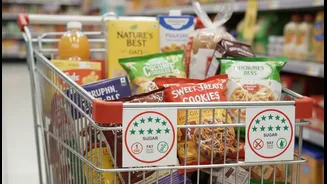
The centerpiece of this new system is the 'Indian Nutrition Rating' or INR. Think of it like the star ratings you see for appliances or movies. Packaged foods will be rated on a scale from a half-star (least healthy) to five stars (healthiest). A product with more stars is considered a better nutritional choice. This rating is calculated based on a scientific formula that considers the good and the bad in a product per 100g or 100ml. It looks at 'negative' nutrients like total sugar, saturated fat, and sodium, and balances them against 'positive' elements like fruits, vegetables, nuts, legumes, fibre, and protein. The final score determines the star rating you see on the front.
Why Is This Happening Now? The Health Wake-Up Call
The push for clearer labels comes amidst growing health concerns in India. Lifestyle diseases such as obesity, diabetes, and heart conditions are on the rise, and diet plays a huge role. Studies show that the consumption of packaged foods high in fat, salt, and sugar (HFSS) is increasing dramatically across the country. In fact, nearly one-fifth of a household's food budget is now spent on these items. Many of us consume these foods without fully understanding their contents. FSSAI's new regulations aim to tackle this by promoting transparency and encouraging people to choose healthier options. The goal is to empower consumers with clear information, helping to foster better eating habits nationwide.
What to Watch For: High Fat, Sugar, and Salt
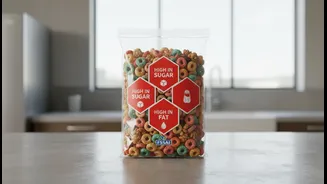
A key feature of the new labelling will be specific declarations for products that are high in fat, sugar, or salt—often called HFSS foods. Even if a product has a star rating, it may also carry a warning if its content of these 'negative nutrients' crosses a certain threshold. For example, a product will be classified as 'High in Sugar' if more than 10% of its total energy (calories) comes from added sugar. A similar rule applies to saturated fat. This helps you identify products that, despite any other health claims, should be consumed in moderation. A recent analysis of over 23,000 products in India found that a vast majority of items like biscuits, desserts, and instant meals contained high levels of these very ingredients.
Beyond the Stars: Your Role as a Smart Consumer
While the INR star rating is a helpful guide, it shouldn't be the only thing you look at. It's still important to be a savvy shopper. Always take a moment to read the full ingredients list on the back. Ingredients are listed in descending order of weight, so the first few items make up most of the product. If sugar or palm oil is one of the first three ingredients, it’s a sign that the product is not as healthy as it might seem. Also, look out for allergens, which must now be clearly highlighted in the ingredients list. The new front-of-pack label is a tool, but the final decision to build a healthy diet still rests with you.