





The End of the Style Compromise
Dressing for the Indian monsoon has long been a strategic battle against humidity, unexpected downpours, and muddy streets. The solution often involved sacrificing style for the sake of staying dry, relegating fashion-forward pieces to the back of the closet.
But in 2026, the narrative has changed. Comfort and practicality are no longer the enemies of style; they are its new foundation. [8] This shift is driven by a collective desire for clothes that move with us, dry quickly, and still express personal style. [8] The era of flimsy, disposable rainwear is over, replaced by a focus on high-performance materials and sharp, everyday aesthetics that you would want to wear even when it’s not raining. [11] The biggest trend is the simple acknowledgement that comfort itself is now considered incredibly stylish. [8]
Fabric is Everything: Your First Line of Defence
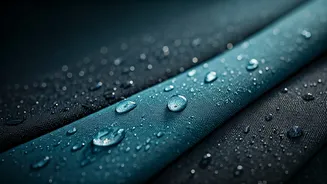
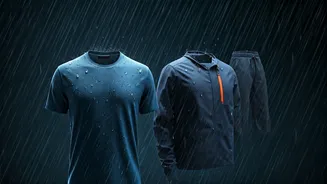
The secret to conquering monsoon humidity starts with your fabric choice. The goal is to pick materials that are lightweight, breathable, and quick-drying. [9] While classic cotton is praised for its breathability, it can absorb moisture and take a while to dry. [6, 7] This season, the smartest choice lies in blends. Cotton-viscose, cotton-polyester, and linen blends offer the best of both worlds: the comfort of natural fibres with the quick-drying, water-resistant properties of synthetics. [3, 10] Fabrics like rayon, crepe, nylon, and polyester are also top contenders, as they don’t cling to the skin in the humidity and dry fast after a sudden shower. [4, 9] The key is to avoid heavy fabrics like thick denim or wool that become cumbersome and uncomfortable when wet. [15]
Smarter Silhouettes for Splash-Proof Style
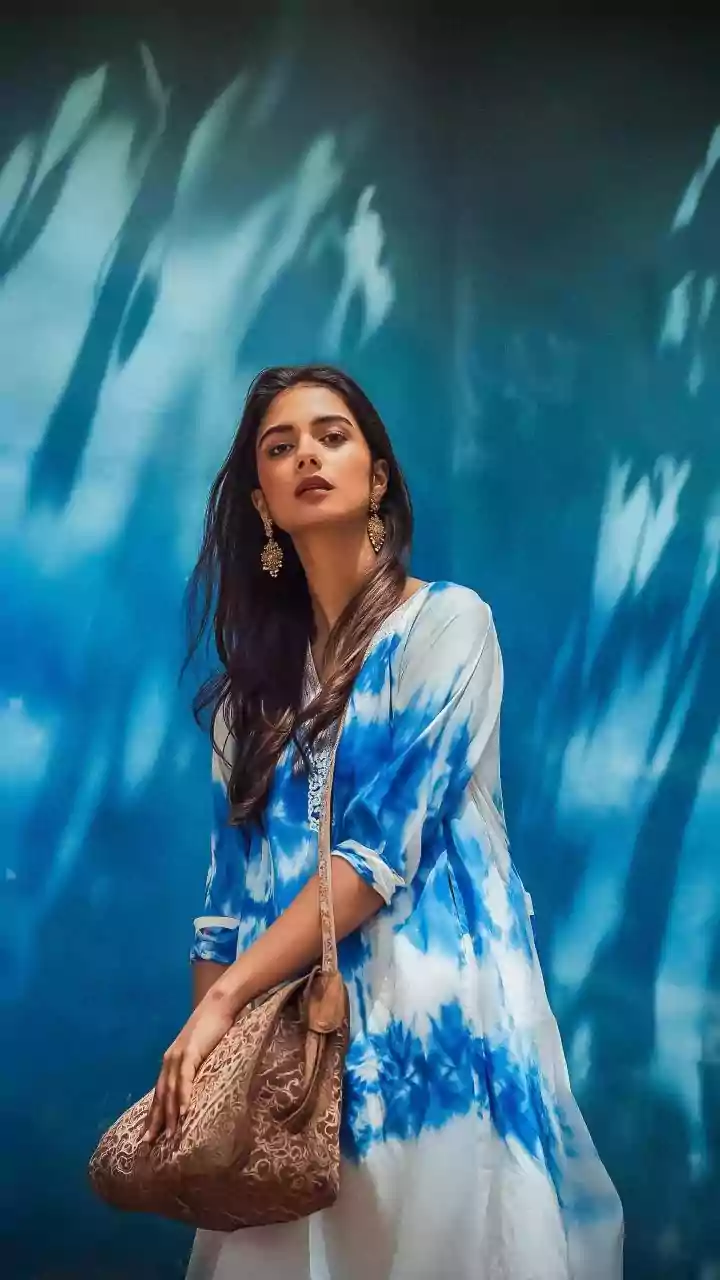
Beyond fabrics, the cut of your clothes plays a crucial role. This monsoon, it's all about strategic hemlines to avoid mud and puddle splashes. [9] Say goodbye to floor-length maxis and wide-leg palazzos. Instead, the focus is on cropped trousers, culottes, capri pants, and knee-length or calf-length dresses and skirts. [9, 14, 15] These shorter styles are not just practical but are central to the modern monsoon aesthetic. For women, A-line kurtas paired with cropped pants offer a chic ethnic wear solution, while skater skirts and breezy dresses provide a versatile, contemporary look. [10, 12] Co-ord sets, especially in printed cotton or crepe, are another major trend, offering an instantly put-together outfit that requires minimal effort. [8, 10]
The Rise of the Statement Raincoat
Perhaps the most visible symbol of this trend is the evolution of the raincoat. Once a purely functional, often unflattering item, the modern raincoat is now a statement piece. [11] Designers are blending high-performance waterproofing with tailored silhouettes. [11] Transparent ponchos, stylish windcheaters, and structured trench coats in bold, vibrant colours like mustard yellow and olive green are dominating the streets. [2, 11] These jackets feature thoughtful details like adjustable waists, protective hoods, and functional pockets, proving you don’t have to look shapeless to stay protected from a downpour. [11] Layering with a lightweight waterproof jacket or a stylish shrug can elevate your look while offering practical protection. [12]
Functional Footwear and Accessories
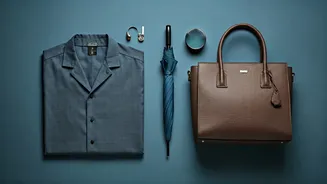
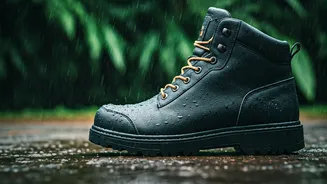
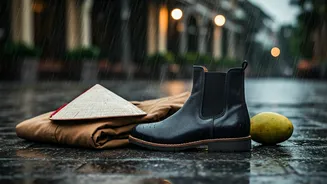
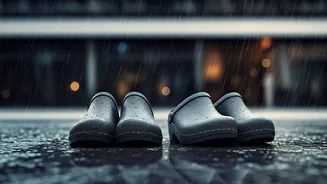
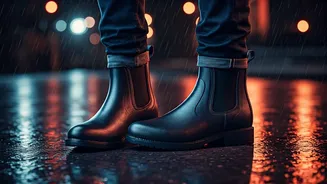
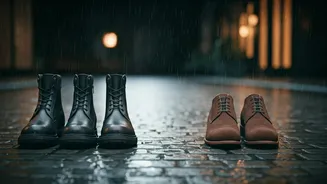
The wrong shoes can ruin a perfectly good day during the monsoon. Leather and suede are out, making way for waterproof and stylish alternatives. [9] Rubber-soled flats, jelly shoes, clogs, and rain-friendly sneakers with good grip are the footwear of choice. [9, 15] When it comes to accessories, the mantra is minimal but functional. [2] Swap your leather tote for a water-resistant backpack or a nylon crossbody bag to protect your essentials. [9] As for colour, while bright hues are a great way to combat gloomy weather, darker shades like navy, charcoal, and black are practical for hiding inevitable mud splashes and water spots. [2, 9, 13] Prints, from timeless stripes to bold florals, are also a smart choice as they can help camouflage minor stains. [10, 18]