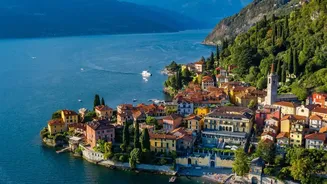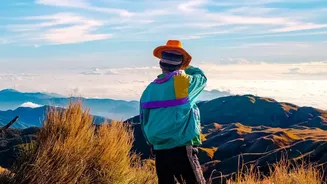







Understanding the Magic of Shoulder Season
Shoulder season is the travel industry's best-kept secret. It's the period between a destination's peak and off-peak seasons. Think of it as the weeks just before or after the main tourist rush, like the months of September and October in Europe after the summer
crowds have left, or March and April before they arrive. The exact timing varies depending on the destination's climate and main attractions. For ski resorts, it might be early spring, while for beach towns, it could be late spring or early autumn. The benefits are significant: flights and accommodation are often much cheaper, the weather is frequently more pleasant than the extreme heat or cold of peak season, and popular attractions are far less crowded. This means less time waiting in queues and more time genuinely experiencing a place.
The Power of a Flexible Destination List
While knowing when to travel is half the battle, being flexible about where you go is the superpower that unlocks the best deals. Instead of setting your heart on one specific city, create a list of several places that offer a similar experience. Are you dreaming of a European city break with great food and history? Your list could include Rome, but also Lisbon, Prague, or even Budapest. By being open to multiple options, you can monitor prices across your entire list and pounce when an amazing shoulder season deal appears for any one of them. This approach shifts your focus from a single, potentially expensive destination to a desired type of holiday, dramatically increasing your chances of finding an affordable and unforgettable trip.
How to Build Your Wishlist
Start by defining the 'why' behind your travel desire. Are you seeking relaxation on a beach, cultural immersion in ancient cities, or adventure in the mountains? Once you know the experience you're after, you can identify a primary destination and then research alternatives that offer a similar vibe. For Indian travellers, if a Mediterranean holiday in Greece is the goal, consider Turkey or Croatia in May or September as alternatives. If you want a Southeast Asian adventure, look beyond peak season in Thailand and consider Vietnam or Bali during their shoulder periods for fewer crowds and lower prices. For mountain lovers, Himachal Pradesh or Ladakh in September offer stunning landscapes with a fraction of the summer tourist traffic. The key is to have a list of three to five places that would all satisfy your travel craving.
Using Digital Tools to Your Advantage
Modern flight search engines are built for this kind of flexibility. Tools like Skyscanner, Google Flights, and KAYAK have 'Explore' or 'Everywhere' features that can transform how you plan. Instead of inputting a fixed destination, you can enter your departure airport and select 'Everywhere' as your destination. You can then filter by month or simply choose the 'Cheapest month' to see a list of destinations ranked by price. This allows the deals to guide your decision-making process. For example, you might discover that flights to Georgia are surprisingly affordable in October, offering a fantastic alternative to a pricier European trip. Set up price alerts for all the destinations on your flexible list and let the algorithms do the hard work of finding the best shoulder season bargain for you.
A More Authentic Travel Experience
Beyond the significant cost savings, travelling during the shoulder season with an open mind often leads to a more relaxed and authentic experience. With fewer tourists around, locals are often less overwhelmed, and you may find more opportunities for genuine interaction. Restaurants are easier to get into, scenic viewpoints are quieter, and you can explore at a gentler pace. This approach not only lessens your impact on over-touristed areas but also spreads tourism revenue more evenly throughout the year, supporting local businesses in a more sustainable way. By embracing flexibility, you're not just saving money; you're adopting a smarter, more rewarding, and more responsible way of seeing the world.