







The Myth of the 'Quiet' Month
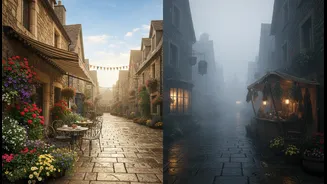
Peak travel season, typically during summer holidays, often means dealing with large crowds, long queues, and inflated prices for flights and accommodation. Travelling in the shoulder seasons—the periods between peak and off-peak, like spring and autumn—offers
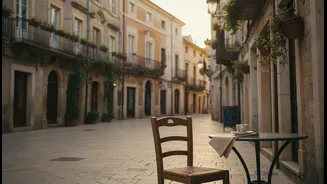
a compelling alternative. The most commonly cited benefits are financial savings and smaller crowds. With fewer tourists, you can experience popular attractions with more intimacy and less time spent waiting in line. Beyond these practical perks, however, lies a greater opportunity: a more authentic travel experience. When you're not jostling for space with other visitors, you're more likely to interact with locals and get a genuine feel for the community. Supporting local economies during these slower periods also contributes to more sustainable, year-round tourism.
How to Unlock the Local Calendar
The key to transforming a quiet trip into a lively one is knowing where to look. Before you even book your flights, a little research into your destination's local calendar can reveal a world of hidden opportunities. Start with the official tourism board website for the city or region, which often features a dedicated events calendar. Beyond that, apps and websites like Eventbrite, Meetup, and even Facebook Events can be invaluable for finding everything from food festivals and concerts to neighbourhood gatherings and workshops. Once you arrive, don't underestimate the power of old-school methods. Check for posters in local cafes, talk to your hotel concierge, and browse free alternative newspapers to discover what's happening around town. These events, often planned for the community rather than tourists, offer a richer, more authentic cultural immersion.
Case Study: Autumn in Europe
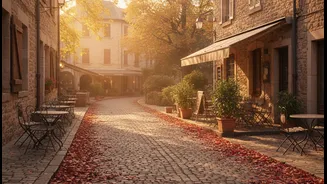
Autumn is a perfect example of a shoulder season brimming with activity. As the summer crowds dissipate, Europe comes alive with harvest festivals. In Italy, the world-famous Alba White Truffle Festival runs from October to December, while smaller towns celebrate the olive oil harvest (Olio Nuovo) and chestnuts. France's Normandy region hosts cider festivals in October, and the Beaujolais Nouveau wine release is a major event in November. Germany is famous for Oktoberfest, but you can also find the world's largest pumpkin festival in Ludwigsburg. Meanwhile, Spain celebrates its saffron harvest in Consuegra in late October. These events are deeply tied to local agriculture and tradition, offering a delicious and authentic taste of regional culture that you would miss during a summer visit.
Global Gems Beyond the Peak Season
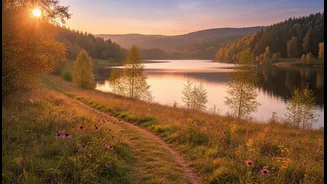
This principle applies worldwide. In India, the post-monsoon months of October and November are packed with some of the country's biggest celebrations, including Navratri, Dussehra, and the dazzling festival of lights, Diwali. It's a period of immense cultural and spiritual significance that transforms towns and cities. In Japan, the famous cherry blossoms are a spring affair, but autumn offers its own spectacular display as maple trees turn vibrant shades of red and yellow, particularly in cities like Kyoto. In the Americas, New England is renowned for its autumn foliage and harvest festivals in September and October. Further south, visiting Mexico in November allows you to experience the country after the rainy season when the forests are lush and the crowds have thinned before the winter rush. By looking beyond the conventional travel windows, you can find unique and memorable experiences.
Tips for Planning Your Shoulder-Season Trip
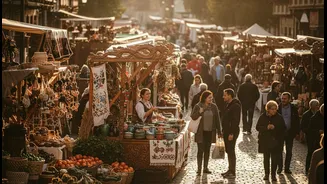
To make the most of your off-peak adventure, a bit of planning is still essential. While crowds are smaller, local festivals can still fill up hotels and popular restaurants, so it's wise to book accommodation and any must-see event tickets in advance. Shoulder season weather can also be unpredictable, so packing layers is always a good strategy. Be aware of local holidays or school breaks that might cause an unexpected surge in domestic tourism. Most importantly, embrace the spirit of discovery. Be flexible with your itinerary and open to stumbling upon a small village festival or local market. These spontaneous moments are often the most rewarding parts of travelling outside the peak-season bubble.