

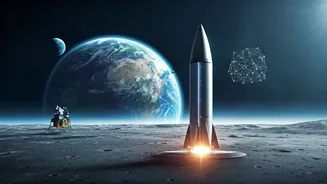
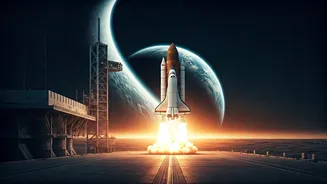


Then vs. Now: What Changed?
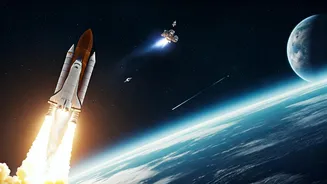
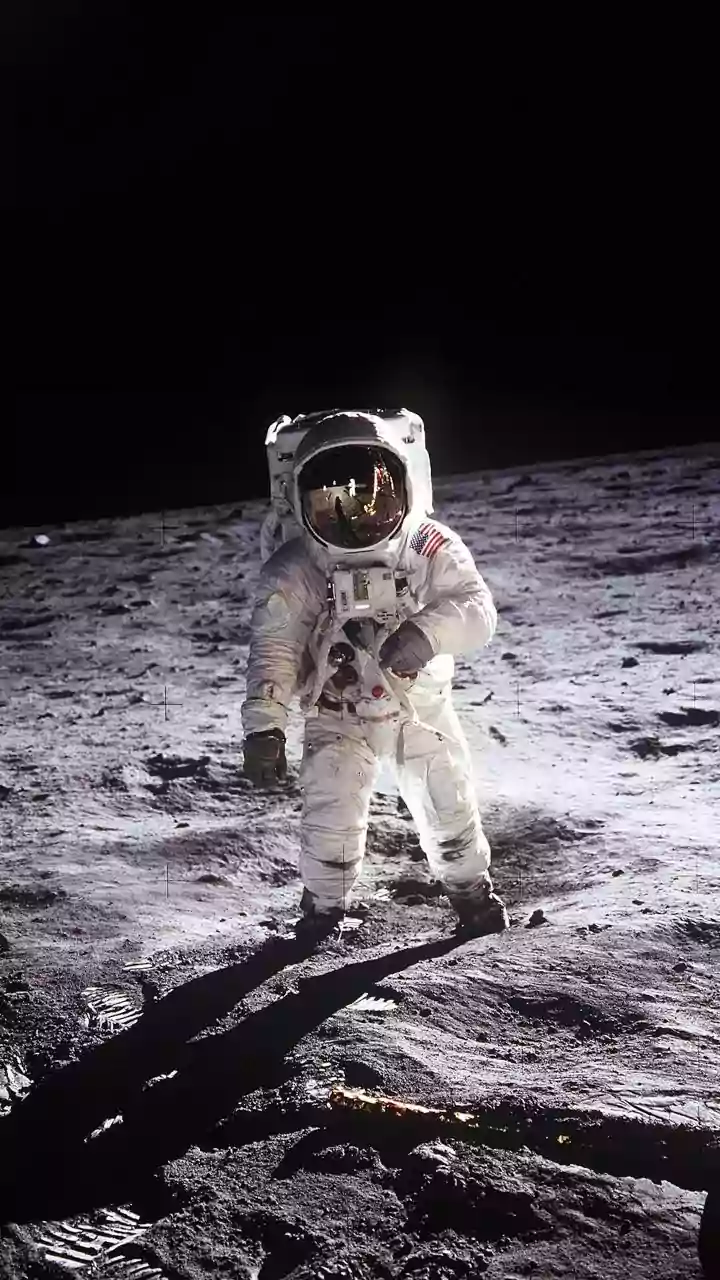
The original space race was a straightforward duel for geopolitical prestige between two superpowers. Today's race is multipolar, crowded, and driven by a mix of national pride, scientific discovery, military strategy, and commercial profit. Where the
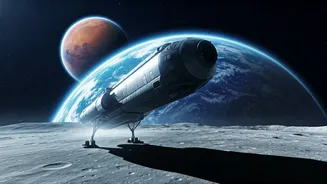
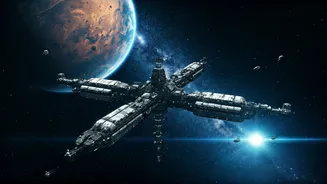
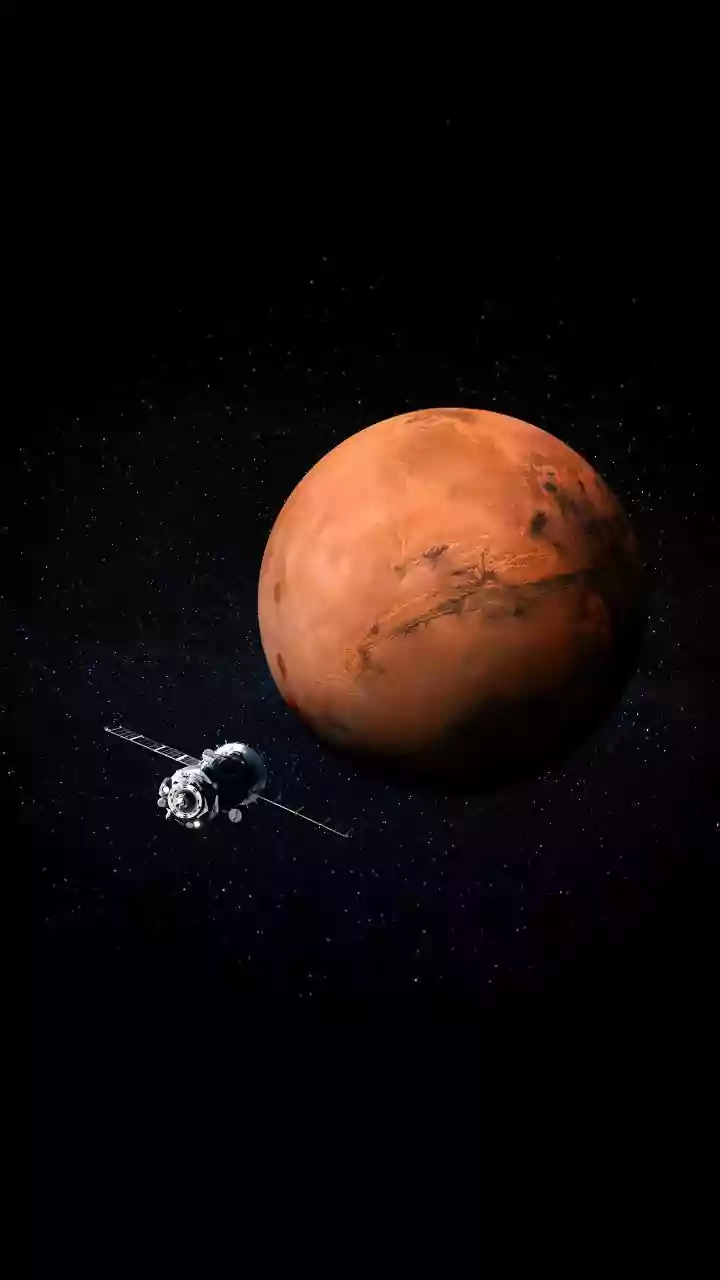
finish line was once planting a flag on the Moon, the new goals include establishing permanent lunar bases, mining asteroids for resources, and preparing for crewed missions to Mars. This isn't just about exploration; it's about creating economic and strategic footholds in space. The key difference is the explosion of players. It’s no longer just the USA and Russia. Countries like China, India, Japan, and the UAE are now major spacefaring nations, alongside powerful private companies like SpaceX, Blue Origin, and Virgin Galactic.
The Commercial Gold Rush
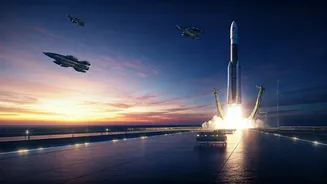
Perhaps the biggest shift is the central role of private enterprise. Companies founded by billionaires, like Elon Musk’s SpaceX and Jeff Bezos’s Blue Origin, have revolutionised the sector with reusable rockets that dramatically lower the cost of accessing space. This has fueled a booming space economy, projected to reach nearly $2 trillion by 2040. The market has moved beyond one-off hardware sales to recurring services like satellite internet constellations (such as SpaceX's Starlink), space tourism, and in-orbit manufacturing. NASA itself now relies on commercial partners to ferry astronauts and cargo to the International Space Station (ISS) and is funding private companies to build its next-generation lunar landers.
India's Ascent as a Frugal Superpower
India, through the Indian Space Research Organisation (ISRO), has firmly established itself as a leading power in this new era. Renowned for its cost-effective approach, India made history by becoming the first nation to reach Mars on its maiden attempt with Mangalyaan and the first to land a spacecraft near the lunar south pole with Chandrayaan-3. Looking ahead, India's ambitions are growing. The Gaganyaan mission aims to send Indian astronauts into orbit, a crucial step toward establishing the Bharatiya Antariksh Station (BAS), a planned national space station, by 2035. Further plans include a mission to Venus in 2028, a lunar sample return mission (Chandrayaan-4), and developing a reusable launch vehicle to further reduce costs. Having already launched nearly 400 foreign satellites, India is a trusted partner in the global space community.
The New Geopolitical Gameboard
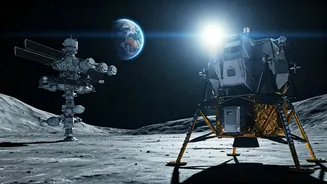
With more players come new alliances and new tensions. The competition is most visible in the dueling ambitions for the Moon. The United States is leading the Artemis Accords, a set of principles for peaceful lunar exploration, which many nations including India, Japan, and European countries have signed. In contrast, China and Russia, who are not signatories, are collaborating on their own project: the International Lunar Research Station (ILRS). Both blocs are targeting the lunar south pole, believed to be rich in water ice—a critical resource for producing rocket fuel and supporting a long-term presence. China and Russia are even planning to build a nuclear reactor on the Moon by 2036 to power their base, signalling a strategic push for a permanent, self-sustaining settlement.