

An Ingredient List Is a Gift Itself
The most thoughtful gift is a safe one. With food allergies and dietary preferences being common, providing a clear list of ingredients is no longer just a good idea—it's essential. This simple step shows care for your recipient's well-being. When preparing
your gifts, be mindful of the most common allergens, such as nuts, dairy, gluten, and soy. It’s wise to clearly label any gifts that contain these. A small, elegant card or tag listing all the ingredients can prevent a potential health issue and allows the recipient to enjoy your gift without worry. If you're baking for someone you don't know well, sticking to recipes that are free from common allergens like nuts can be a considerate choice. Remember to also be aware of cross-contamination in your own kitchen if you are preparing different types of treats.
Provide Clear Storage and Shelf-Life Instructions
Once the gift is received, your recipient might wonder how to best care for it. Take the guesswork out of the equation by including simple storage instructions. Baked goods with cream, custard, or fresh fruit fillings must be refrigerated, while most cookies and breads can be kept in an airtight container at room temperature. Attaching a note that says “Enjoy within 3 days” or “Keep Refrigerated” is incredibly helpful. For items that freeze well, like certain cakes or brownies, you can let them know. This not only ensures the quality and safety of your gift but also helps prevent food waste. For example, cheesecakes must always be kept cold to prevent spoiling, whereas hard candies can last for months if stored in a cool, dark place. Providing this information makes your gift easy to manage and enjoy.
Mastering Safe and Secure Transport
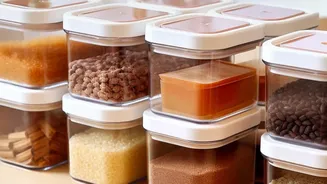
The final step is getting your creation to its destination in one piece and at a safe temperature. For perishable items that need to stay cold, such as anything with dairy or cream cheese, transport them in an insulated bag or cooler with a frozen gel pack. The goal is to keep these foods out of the temperature “danger zone” (between 4°C and 60°C), where bacteria can multiply quickly. Choose sturdy, airtight containers that prevent spills and protect the food from being crushed. If you are mailing a perishable gift, coordinate with the recipient to ensure someone will be home to receive it and refrigerate it immediately. Shipping early in the week is recommended to avoid having the package sit in a facility over the weekend.
The Finishing Touch of Thoughtfulness
Ultimately, the effort you put into ensuring your festive food gift is safe is a reflection of the care you have for the person receiving it. The packaging you choose also plays a role; ensure it's food-grade and won't contaminate the treats inside, especially when avoiding non-certified decorative papers or plastics that might come into direct contact with the food. By considering ingredients, providing clear instructions, and ensuring safe transport, you're not just giving food; you're offering peace of mind, respect for your loved ones' health, and a truly complete, thoughtful present that enhances the joy of the festive season.