





Peak Flavour and Nutrition
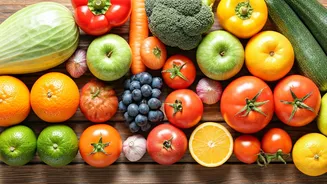
Produce that is harvested at its natural peak is simply more delicious and nutritious. Fruits and vegetables allowed to ripen fully on the plant develop their complete flavour profiles and are packed with higher levels of vitamins, minerals, and antioxidants
compared to those picked prematurely for long-distance shipping. Think of the rich pigments in a monsoon fruit like Jamun; that deep colour is often a sign of concentrated nutrients. Off-season produce often travels long distances and may be artificially ripened, which can significantly diminish both taste and nutritional value. By choosing what's in season, you are getting food as nature intended: bursting with flavour and at its nutritional prime.
Easier on Your Wallet
One of the most immediate benefits of buying seasonal produce is the savings. The basic laws of supply and demand are at play: when a fruit or vegetable is in season, it is abundant, and this surplus drives down costs. Farmers have higher yields with lower effort because the crops are growing in their ideal climate conditions. Conversely, out-of-season items are more expensive because of the added costs of transportation from different climate zones, cold storage, and sometimes energy-intensive greenhouse cultivation. By filling your basket with what's plentiful in July, you'll find your grocery bills are lighter without compromising on quality.
A Lighter Environmental Footprint
Choosing seasonal and, wherever possible, local produce is a powerful way to reduce your environmental impact. Foods grown and consumed in their natural season require fewer resources like artificial heating or lighting. More importantly, it cuts down on 'food miles'. Out-of-season produce often travels hundreds or thousands of kilometres in refrigerated transport, consuming significant amounts of energy and contributing to greenhouse gas emissions. Supporting local farmers who grow seasonal crops also promotes sustainable agricultural practices and helps maintain biodiversity in your region.
What's in Season This July?
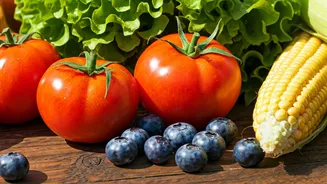
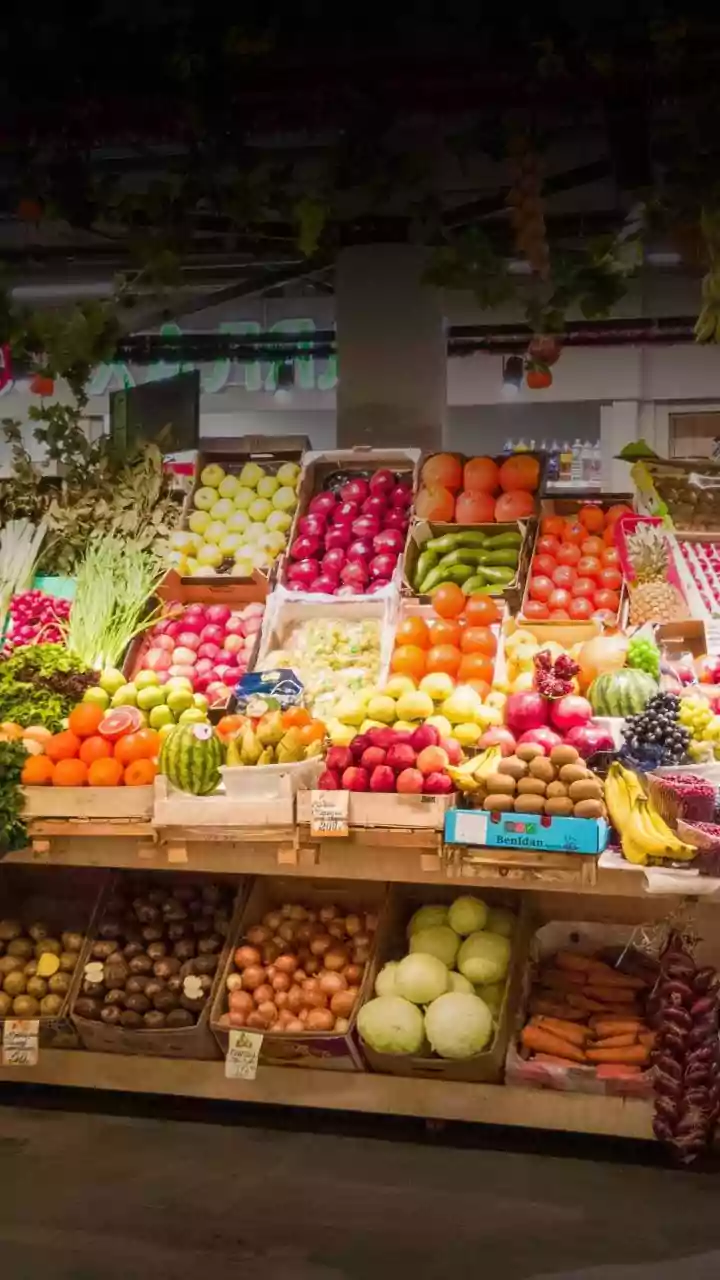
July, being a prime monsoon month in much of India, offers a unique and delicious bounty. Look for these fruits and vegetables in your local market: Fruits: The season for some late-summer favourites continues while new monsoon stars appear. Look for Jamun (Indian Blackberry), Litchi, Cherries, Peaches, and Plums. You may also find late-season Mangoes in some areas, along with Pomegranates and Custard Apples beginning their season. Vegetables: The monsoon is the season for gourds and other hardy vegetables. Fill your plate with Lady's Finger (Bhindi), various gourds (Bottle Gourd/Lauki, Ridge Gourd/Turai, Snake Gourd), Corn, Cucumber, and Taro Root (Arbi). These vegetables are traditionally valued during this season for being easy to digest and nutritious.
Syncing with Nature's Rhythms
Traditional Indian dietary wisdom, including Ayurveda, has long advocated for eating seasonally. The logic is that nature provides the foods that our bodies need to thrive in the specific climate of that season. Monsoon vegetables and fruits are often chosen for properties that help boost immunity and aid digestion, which can be weaker during this time of year. For example, bitter vegetables are thought to support liver function and ward off infections common during the rainy season. Eating seasonally is a simple way to reconnect with these natural cycles and support your body’s needs throughout the year.