






The Elegant Problem-Solver
If you've found yourself wishing for a guest bed that doesn't dominate a room, or a sofa that offers a bit more lounging potential, you’re not alone. Interior designers are increasingly turning to the daybed as a response to the realities of modern living.
With living spaces becoming smaller and the need for multi-functional rooms—think a home office that doubles as a guest room—the demand for adaptable furniture has skyrocketed. The daybed, which elegantly combines the function of a sofa with the comfort of a bed, is perfectly positioned for this moment. It’s not just about saving space; it's about making spaces work harder without sacrificing style. Unlike a bulky sleeper sofa that requires conversion, a daybed is always ready. It serves as chic seating during the day and a comfortable bed by night with a simple rearrangement of pillows.
More Than a Fainting Couch
Forget the image of a delicate, Victorian-era fainting couch. The 2026 daybed has been completely reimagined for contemporary tastes. Today’s designs are sculptural, stylish, and anything but fussy. You’ll find minimalist versions with clean lines in light wood, perfect for a Scandinavian-inspired aesthetic. There are also fully upholstered models in luxurious velvets or durable, textured fabrics that can anchor a living room. Designers are embracing a range of styles, from modern silhouettes with sleek metal frames to cozy, rustic designs that invite you to curl up with a book. Many models now incorporate smart features like hidden trundle beds that pull out to create a second sleeping area, or built-in drawers for much-needed storage, making them a powerhouse of practicality.
Where Does It Fit?
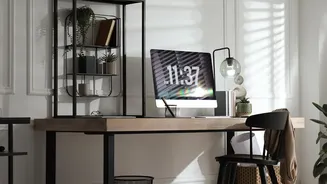
The beauty of the daybed is its sheer versatility in placement. In a living room, it offers a more relaxed and inviting alternative to a formal sofa, encouraging lounging and conversation. In a home office, it provides a comfortable spot for a quick break and instantly transforms the room for an overnight guest. Daybeds have also become a popular choice for children's rooms, providing a spot for play during the day and sleep at night, with many including trundles for sleepovers. Its typically trim twin-mattress footprint allows it to be tucked against a wall, preserving valuable floor space while still making a significant style statement.
Styling Your Daybed
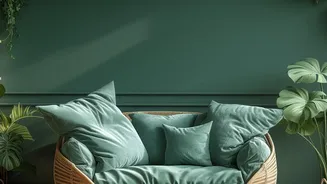
Making a daybed look intentional and chic is all about the styling. To give it a sofa-like appearance for daytime use, start with a fitted cover or a neatly tucked flat sheet over the mattress. Then, layer on the pillows. Arrange a row of larger Euro shams or standard sleeping pillows against the back frame to create a solid, supportive backrest. In front of those, add an assortment of decorative throw pillows in various sizes, textures, and patterns to introduce color and personality. A plush throw blanket draped casually over one end completes the cozy, inviting look. For nighttime, simply remove the decorative pillows, and the bed is ready.
Choosing the Right One
When selecting a daybed, consider its primary function. If it will be used mostly for sitting, focus on a frame with a comfortable backrest and consider a firmer mattress. If it's mainly for sleeping, the quality of the mattress is paramount; most daybeds use a standard twin-size mattress, making it easy to find a comfortable option. Pay attention to the frame's material—wood adds warmth, while metal can create a more industrial or modern feel. With the rise of sustainability in design, many brands are also offering daybeds made from recycled or eco-friendly materials, allowing you to make a choice that is both stylish and responsible.