



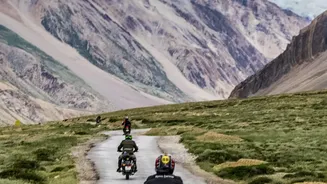
Prepare for Unpredictable Conditions
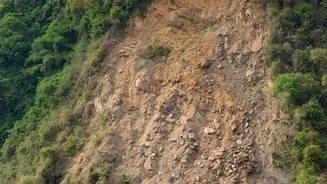
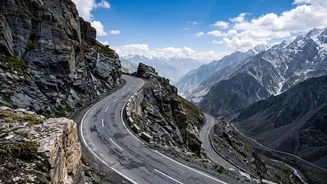
The post-monsoon period, from October onwards, is prime travel season, but the mountains remain unpredictable. Recent years have shown that weather patterns can shift, and the tail end of the monsoon can still trigger landslides and road closures. Before
you go, check district-level weather alerts, not just state-wide forecasts. Build buffer days into your itinerary to accommodate potential delays. Driving after dark on hill roads should be avoided due to fog and the risk of falling debris. Being prepared and flexible is the first step in responsible travel, as it prevents you from becoming a strain on local resources in an emergency.
Leave No Trace, Especially Plastic
The most visible scar of tourism is the waste left behind. Himalayan ecosystems lack robust waste management systems, and what you leave on the mountain often stays there, polluting soil and water. Adopt a 'pack in, pack out' philosophy, carrying a small bag for your non-biodegradable trash like wrappers and packets. The single biggest menace is the plastic water bottle. Carry a reusable bottle and refill it at hotels or cafes. Refuse single-use plastics like straws and cutlery. Remember that even biodegradable items like fruit peels decompose very slowly at high altitudes and can attract wildlife, altering their natural behaviour.
Choose Stays and Operators with Care
Where you spend your money has a direct impact. Prioritise locally-owned homestays, guesthouses, and eco-lodges over large hotel chains. Staying in a homestay ensures your money directly supports a local family and offers an authentic glimpse into mountain life. Many organisations now promote community-based tourism, empowering women and creating sustainable livelihoods in villages across states like Uttarakhand, Himachal Pradesh, and Ladakh. When booking treks or tours, research operators who are certified, hire local guides, practice waste management, and contribute to community development.
Conserve Scarce Local Resources
Water and electricity are precious commodities in the mountains. Many regions, especially high-altitude deserts like Ladakh and Spiti, face acute water scarcity. A tourist's water consumption can be many times that of a local resident. Be mindful of your usage. Take shorter showers, reuse towels, and turn off lights and heaters when you leave your room. This simple act of conservation reduces the strain on local infrastructure and ensures that resources remain available for the host community.
Engage with Culture Respectfully
The Himalayas are not just a landscape; they are a rich tapestry of cultures and ancient traditions. Dress modestly, especially when visiting villages or sacred sites like monasteries and temples. Always ask for permission before taking photographs of people or their homes. A simple 'namaste' or 'jullay' can go a long way in building a connection. Hire local guides who can offer invaluable insights into the culture and environment. Buying handicrafts directly from artisans and eating at local establishments also ensures that the economic benefits of tourism are distributed more equitably.