




The Paradox of Plenty
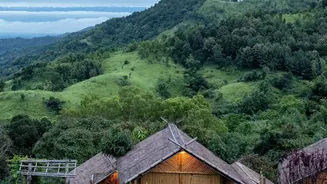
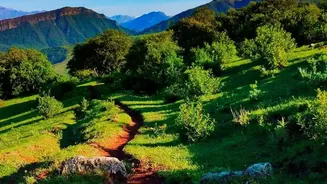
Wayanad, nestled high in the Western Ghats, is synonymous with rain. It's a place drenched by two monsoon seasons, where forests teem with life and waterfalls cascade down hillsides. Yet, this abundance can be deceptive. The region's sloping terrain causes
much of this rainwater to run off quickly into streams and rivers, leaving little time for it to soak into the ground. This, combined with recent rainfall deficits and unpredictable weather patterns, means that by the peak of summer, many wells run dry and communities can face significant water shortages. This irony of having too much water and then too little is the central challenge that has sparked a wave of innovation in the region's hospitality sector.
A New Philosophy of Hospitality
In response, a growing number of accommodations in Wayanad are championing a model of tourism that is deeply rooted in its environment. These are not just hotels with a few token green gestures; they are escapes where sustainability is built into their very structure. Rainwater harvesting is a cornerstone of this philosophy. Instead of relying solely on municipal water or over-extracting from groundwater sources, these properties have designed systems to capture, filter, and store the immense volume of rain that falls on their rooftops and land. This approach transforms a seasonal deluge from a problem of runoff into a year-round resource, ensuring self-sufficiency and reducing the ecological footprint of every guest.
From Rooftop to Reservoir
The methods for harvesting rain are both simple in principle and sophisticated in practice. It begins with collecting rainwater from rooftops via a network of gutters. Before storage, the water is passed through filters—often using natural materials like sand and charcoal—to remove debris and impurities. From there, it is directed into large storage tanks or used to recharge open wells and underground aquifers. Properties like Muthanga Wild Resort and others mentioned as eco-friendly stays use these systems not just for gardening or cleaning, but in some cases, for all their water needs after proper filtration. By turning the property itself into a massive water catchment area, they create a closed-loop system that is both resilient and responsible.
More Than Just Water Conservation
Rain harvesting is often just one piece of a much larger puzzle of sustainability. Many of these eco-conscious escapes extend this ethos to every part of their operation. For instance, Tranquil Resort, set on a 400-acre estate, uses biomass for hot water and biogas from kitchen waste for cooking. Others, like Himadri Retreat, focus on serving organic, home-cooked meals with ingredients sourced from their own gardens or nearby farms, eliminating food miles and supporting local agriculture. These practices often include solar power for energy, construction with local and natural materials like bamboo and reclaimed wood, and rigorous waste management programs that aim for zero waste. It’s a holistic approach where every element is designed to harmonize with the natural surroundings.
The Ripple Effect on the Community
The impact of these sustainable escapes goes far beyond their own fences. By reducing their dependence on municipal water supplies, they ease the pressure on resources for the entire community. They also serve as powerful, tangible examples of how to live in harmony with the local environment, inspiring local residents and other businesses to adopt similar practices. Furthermore, these establishments are committed to community empowerment by providing stable employment, promoting local culture, and ensuring that the economic benefits of tourism are distributed equitably. They prove that tourism doesn't have to be an extractive industry; it can be a force for positive change, fostering environmental stewardship and cultural preservation.