





A Festive Rebound
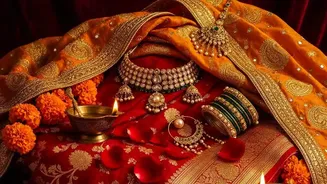
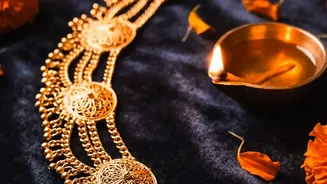
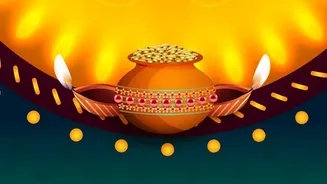
The final quarter of 2026 has brought a much-needed revival to India's gold market, traditionally a period of peak demand. Jewellers across the country reported a significant uptick in footfalls and sales during the Dhanteras and Diwali festivals in early
November. Industry bodies estimated that gold sales during Dhanteras 2026 reached around ₹60,000 crore, a notable increase in value of 15-20% compared to the previous year. This festive cheer was largely driven by a recent correction in domestic gold prices, which had retreated from the record highs seen earlier in the year. The price drop provided an added incentive for retail buyers who consider purchasing gold during this period to be auspicious. This renewed confidence has been a crucial driver, encouraging consumers who had postponed their purchases to finally enter the market.
The Story of the Slump
This festive recovery comes after a challenging year for the gold industry. The first nine months of 2026 were marked by significantly lower demand in terms of volume. According to the World Gold Council (WGC), India's gold demand in the third quarter (July-September) fell by 29% year-on-year to 162.5 tonnes. A combination of factors contributed to this slump. Soaring domestic gold prices, which reached a peak in January 2026, made the yellow metal prohibitively expensive for many. An increase in import duties to 15% also pushed up costs. Furthermore, a weak monsoon season impacted rural incomes, which are a critical source of demand, as gold is a traditional store of wealth in these areas. Consequently, while consumers were spending more money on gold due to higher prices, they were taking home significantly less metal in terms of weight.
Shifting Consumer Behaviour
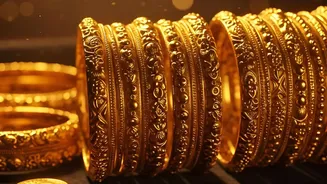
The high-price environment has forced a noticeable shift in how Indians buy gold. While the cultural affinity for the metal remains strong, affordability has become a key concern. Many buyers are now opting for lightweight jewellery, choosing smaller pendants, chains, and bangles over heavier traditional pieces. There is also a growing preference for 18-carat and 14-carat gold, which are more affordable alternatives to the traditional 22-carat standard. Another significant trend is the rise of exchanging old jewellery to offset the cost of new purchases. This allows families to uphold traditions like wedding and festive gifting without bearing the full cost of record-high prices. Investment patterns are also evolving, with demand for smaller gold coins of 1-5 grams and digital gold products gaining traction.
The Outlook for the Yellow Metal
While the festive season has provided a strong boost, the outlook for the remainder of the year and into 2027 remains cautiously optimistic. Jewellers expect the momentum to continue into the winter wedding season, which is another major driver for gold sales. The WGC has projected India's full-year gold demand for 2026 to be between 625-675 tonnes, which, despite the festive recovery, would be the lowest since 2020. Experts believe that for demand to remain robust, domestic prices need to hold at current, more stable levels. Long-term forecasts for 2027 suggest a moderately bullish trend, with factors like global interest rate policies, central bank purchasing, and the performance of the Indian rupee playing crucial roles in determining the price trajectory. Projections for 24-carat gold in 2027 vary, but some analysts see it potentially trading in a range of ₹1,45,000 to ₹1,80,000 per 10 grams.