




The Myth of the Universal Soaking Rule
Many home cooks follow a single rule for all pulses, whether it’s a long overnight soak or a quick rinse before cooking. This often leads to inconsistent results—mushy masoor dal or stubbornly hard rajma. The reality is that pulses are not a monolith.
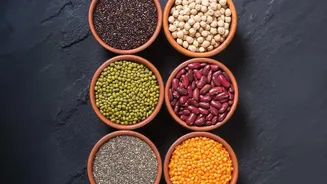
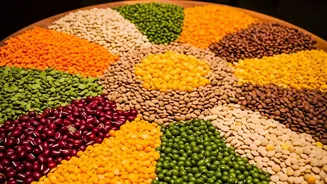
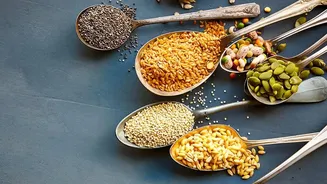
The term covers a wide range of dried seeds, from tiny lentils to large beans. Factors like size, skin thickness, age, and starch content dictate how they absorb water and cook. A one-size-fits-all approach ignores these crucial differences, preventing each pulse from reaching its full potential in flavour and texture. By treating each variety as a unique ingredient, you can move from inconsistent results to consistently delicious meals.
Hard and Hearty: The Case for a Long Soak
Large, dense pulses with thick skins, such as chickpeas (chana), kidney beans (rajma), and whole black gram (sabut urad), demand patience. These varieties benefit immensely from a long soak of at least 8 hours, or ideally overnight. This extended time in water is essential for several reasons. It softens the tough outer layer, allowing heat to penetrate evenly during cooking. This dramatically reduces cooking time and ensures the centre becomes tender without the outside turning to mush. Soaking also helps break down complex sugars that can cause digestive issues, making these hearty beans easier on the stomach. Forgetting to soak these pulses is often the reason behind dishes with an uneven, gritty texture. If you're short on time, a 'quick soak' method—boiling the beans for a few minutes then letting them sit in the hot water for an hour—can help in a pinch.
Split Dals: The Middle Ground
Split pulses, or dals, are the backbone of everyday Indian meals. This category includes toor (arhar) dal, chana dal, and urad dal. Because their outer hull has been removed and they are split in half, they cook much faster than their whole counterparts. However, they still benefit from a shorter, more considered soaking period. For toor dal, a soak of 2 to 3 hours is ideal to ensure it becomes creamy. Chana dal, being denser, requires a longer soak of 4 to 6 hours to cook evenly and digest smoothly. Soaking these dals helps them soften, reduces cooking time, and contributes to a smoother final consistency. Forgetting this step can result in a dal that takes longer to cook and may not break down as beautifully.
The Quick-Cooks: When to Skip or Shorten the Soak
Not all pulses need a long bath. Small, delicate lentils like split red lentils (masoor dal) and split yellow mung beans (moong dal) are the sprinters of the pulse world. Masoor dal cooks in as little as 15-20 minutes without any soaking at all. In fact, over-soaking these lentils can be counterproductive, causing them to disintegrate completely and turn into a pasty mush. A brief soak of 20-30 minutes for masoor or moong dal is more than enough to give them a smoother texture while retaining some body. For these quick-cooking dals, the main goal of rinsing is to remove any dust or debris. Understanding when not to soak is just as important as knowing when to do it.
Beyond the Soak: Other Factors for Perfect Pulses
Perfecting your pulse preparation goes beyond just soaking. The age of the pulses is a critical factor; older, stale pulses that have been in the pantry for over a year will take much longer to soften, regardless of soaking. Always try to use fresh stock. Another common mistake is adding salt or acidic ingredients like tomatoes or lemon juice too early in the cooking process. These can toughen the outer skins of the pulses, preventing them from becoming tender. It is best to add salt and acids only after the pulses have softened completely. Finally, always cook pulses in fresh water, not the water they were soaked in. The soaking water contains compounds that can cause bloating and should be discarded.