

The Priceless Cargo Awaiting Pickup
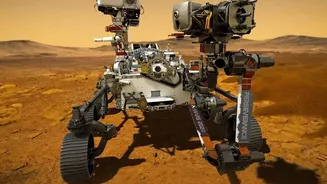
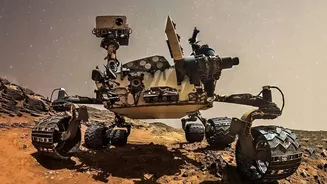
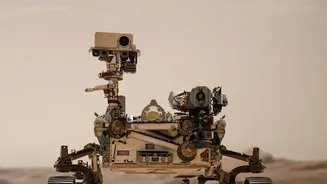
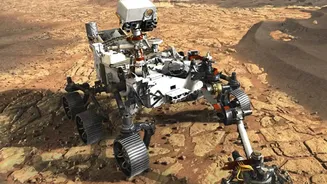
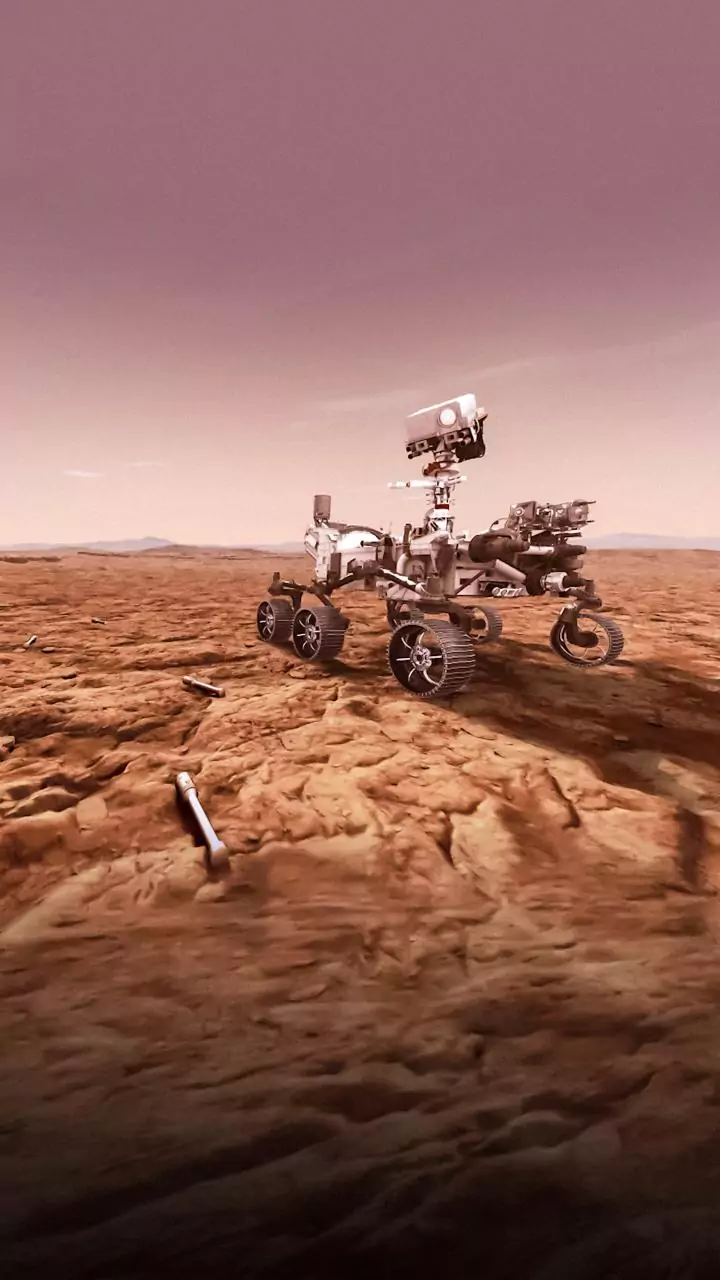
Since its landing in 2021, NASA's Perseverance rover has been diligently doing its part for the most ambitious interplanetary delivery service ever conceived. The rover has been collecting scientifically valuable samples of Martian rock, soil, and atmosphere
in Jezero Crater, a location believed to have once hosted a river delta. Scientists are eager to study these samples in sophisticated labs on Earth for signs of ancient microbial life and to better understand the planet's history. As of late 2026, Perseverance has successfully gathered and sealed dozens of these precious samples. Some have been dropped onto the surface to create a backup depot, while others remain aboard the rover, all ready for the next, far more complicated, stage of the journey.
A Plan 'Too Complex and Costly'
The original plan for the Mars Sample Return (MSR) mission, a joint effort with the European Space Agency (ESA), was a multi-step marvel of engineering. It involved sending a Sample Retrieval Lander to the surface, which would deploy either small helicopters or a fetch rover to collect the tubes. The samples would then be loaded into a small rocket called the Mars Ascent Vehicle (MAV), which would launch from the surface of Mars — a first in history — and meet up with an orbiter that would capture the sample container and fly it back to Earth. However, an independent review concluded that this architecture was beset by 'unrealistic budget and schedule expectations'. With cost estimates ballooning to as much as $11 billion and the return date slipping to 2040, NASA determined the plan was no longer feasible.
Back to the Drawing Board
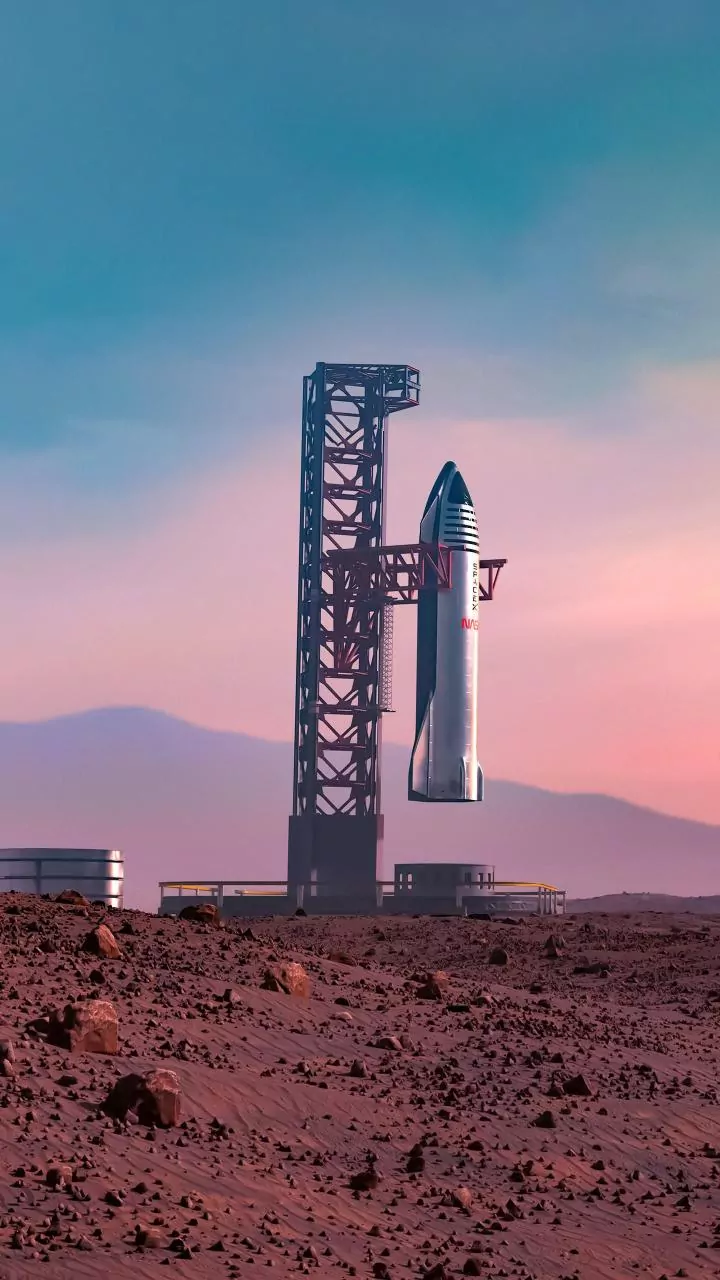
In response to the review board's findings, NASA has effectively sent the mission back to the drawing board. The agency announced a new initiative in late 2026 called the Perseverance Sample Retrieval Architecture (PSRA). This effort is designed to develop a leaner, faster, and more affordable strategy. NASA is soliciting new ideas from its own centers and from commercial partners in the aerospace industry. The goal is to find an innovative architecture that can still accomplish the core mission without placing an extreme burden on NASA's overall science budget. Some commercial proposals, for instance, have suggested they could do the job for less than half of the previous cost estimates by using existing, flight-proven hardware.
The Goal Remains, The Path Is Unclear
While the method is under review, NASA's commitment to retrieving the samples remains firm. The scientific payoff is considered too high to abandon the goal, which has been a top priority for decades. A strategy team for the new PSRA initiative is scheduled to kick off its work in January 2027, with a final report on the new path forward expected by winter 2027-2028. Meanwhile, another factor is in play: international competition. China is moving ahead with its own Mars sample-return mission, Tianwen-3, which aims to launch around 2028 and return samples to Earth by 2031. This adds a sense of urgency to NASA's efforts to redefine its mission. The precious Martian rocks will have to wait a little longer, but the dream of unlocking their secrets on Earth is still very much alive.