




Why the Monsoon Demands a New Grocery Strategy
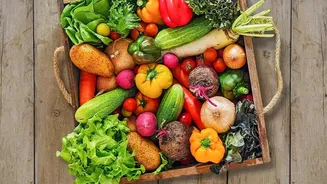
The combination of high humidity and ambient warmth during the monsoon accelerates food spoilage. This environment is ideal for the rapid growth of bacteria, fungi, and viruses, increasing the risk of foodborne illnesses like gastroenteritis and food poisoning.
The moisture in the air can make everything from leafy greens to dry spices and flours susceptible to contamination. Furthermore, supply chains can be disrupted by heavy rains, meaning produce may spend more time in transit, compromising its freshness even before it reaches your kitchen. Adapting your shopping habits isn't just about avoiding waste; it's a crucial step for health and safety.
The 'Small and Frequent' Shopping Rule
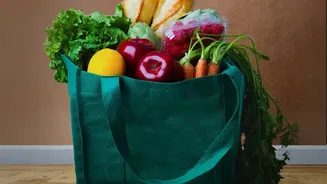
The single most important adjustment for monsoon grocery shopping is to buy perishable items in smaller quantities, more frequently. While buying in bulk might seem economical, it's a recipe for spoilage during the humid months. This is especially true for foods with high moisture content. Plan your meals for a few days at a time and purchase only what you need to avoid having produce wilt or rot in your refrigerator. This applies not just to vegetables but also to items like milk, paneer, and bread, which spoil faster in the damp weather.
Handle Leafy Greens with Extreme Care
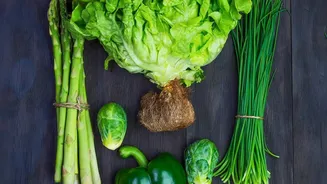
Leafy green vegetables like spinach, coriander, and methi are particularly vulnerable during the monsoon. The excess moisture they retain makes them spoil quickly and can harbour dirt and microbes. It's best to buy only what you can consume within a day or two. Before storing, avoid washing them. Instead, trim any bad parts, wrap them in a paper towel to absorb excess moisture, and then place them in a breathable bag in the refrigerator. Wash them thoroughly, perhaps with salt water, right before cooking to remove any lingering germs.
Beware of Pre-Cut and Raw Produce
Convenience can come at a cost to your health during the rainy season. Avoid buying pre-cut fruits and vegetables. The increased surface area of cut produce, combined with the humid environment, allows bacteria to multiply rapidly. Similarly, be cautious with raw foods like salads, especially when eating out. The water used to wash them might be contaminated, and they provide a perfect environment for microbial growth. It's safer to consume fruits that you peel yourself and to steam or lightly cook vegetables before eating.
Don't Forget Your Dry Pantry
Humidity doesn't just affect fresh produce; it's also the enemy of your dry goods. Flours, grains, pulses, and spices can absorb moisture from the air, leading to clumping, mould, and pest infestations. It's advisable to buy smaller packs of items like atta during this season. Transfer all dry goods from their original packaging into clean, dry, airtight containers immediately after purchase. For spices, ensure you always use a dry spoon to prevent introducing moisture, which is a primary cause of spoilage. Adding a few dried bay leaves to grain containers can also help deter pests.
Smart Storage Is Your Strongest Defence
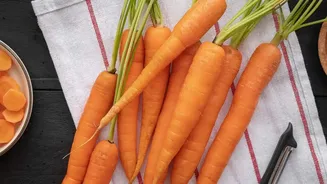
Proper storage is key to extending the life of your groceries. Don't overfill your refrigerator, as this restricts air circulation and can lead to faster spoilage. Keep raw meat and eggs separate from other foods to prevent cross-contamination. For root vegetables like potatoes and onions, store them in a cool, dry, dark place, but never in the fridge, which can alter their flavour and texture. For most other vegetables, refrigerating them in breathable bags or wrapped in paper can help manage moisture levels and keep them fresh for longer. Regularly cleaning your fridge and pantry shelves is also essential to prevent the spread of mould and bacteria.