




An Insatiable Thirst for Electricity
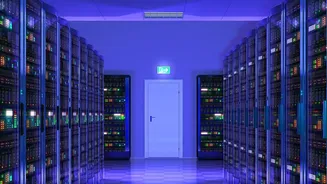
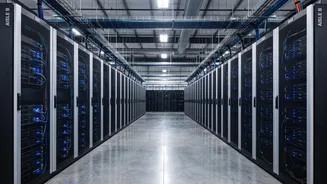
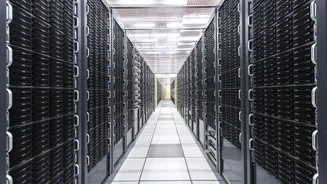
The global engine of digitalisation is accelerating. According to the International Energy Agency (IEA), electricity consumption by the world's data centres is on track to double by 2030, a surge largely driven by the explosive growth of artificial intelligence.
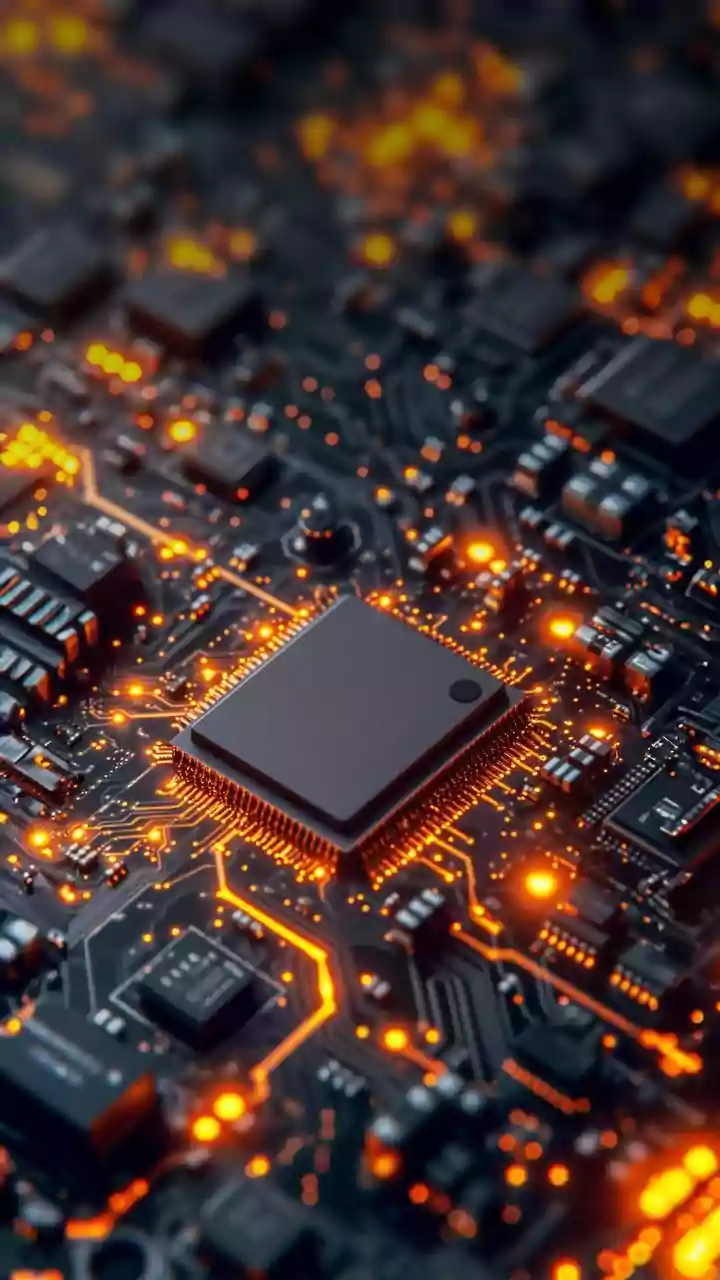
AI models require enormous computational power, meaning individual server racks now consume significantly more energy than traditional ones. This isn't a distant problem; it's a looming reality. The IEA warns that by 2030, this sector's demand could reach 1,000 terawatt-hours annually, straining electricity grids worldwide.
India’s Digital Dream Meets a Power Wall
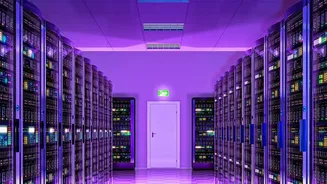
For India, this global trend presents a unique challenge. The nation's data centre capacity has been expanding at a phenomenal rate, quadrupling since 2020 and attracting billions in investment. Major hubs in Mumbai, Chennai, Hyderabad, and Delhi are at the heart of this boom, positioning India to become the second-largest data centre market in the Asia-Pacific region. However, this rapid growth is on a collision course with the limits of our power infrastructure. Projections suggest the sector's electricity demand could increase more than eightfold by 2035. Concentrating this immense power demand in a few urban clusters puts unprecedented strain on local grids that were not designed for such intense, 24/7 loads.
The Risks of Standing Still
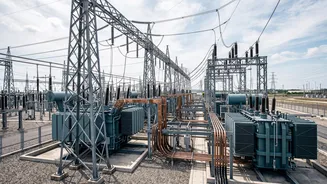
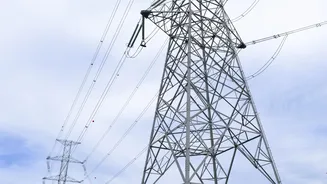
Ignoring this surge in power demand is not an option. Without proactive planning, the consequences could be severe. Unmanaged growth risks grid instability, leading to voltage fluctuations and, in worst-case scenarios, blackouts that affect not just the data centres but also homes and other critical industries. AI workloads, in particular, can cause sudden spikes in electricity use, making it harder for grid operators to maintain balance. Furthermore, a heavy reliance on fossil fuels to meet this new demand would undermine India’s climate commitments. The challenge is clear: how to power our digital future without compromising the stability and sustainability of our energy supply.
A Blueprint for a Powered Future
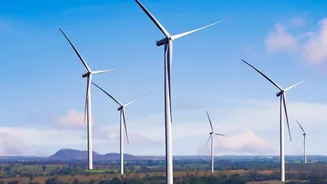
The solution requires a multi-pronged strategy from both industry and government. A key part of the answer lies in renewable energy. Data centre operators are increasingly turning to 'green power' through direct power purchase agreements and the development of captive solar and wind projects. But renewables alone aren't enough, especially to ensure round-the-clock power. This is where Battery Energy Storage Systems (BESS) become critical. These systems can store excess renewable energy generated during the day and release it when needed, providing a stable and reliable power source. Google has already demonstrated that non-urgent computing tasks can be shifted to times when the grid is under less pressure, a strategy that could be piloted in India.
Smarter Policies for a Smarter Grid
Technology alone cannot solve the problem. Policymakers must create a framework that supports this transition. The Indian government has already taken positive steps by granting 'infrastructure' status to the data centre sector, which helps with financing, and is working on a national policy to streamline approvals. Experts suggest further measures are needed, including updated grid codes for these large, dynamic loads and incentives for adopting energy-efficient technologies and on-site storage. By assessing grid readiness in key regions and promoting renewable energy backed by storage, India can turn this challenge into an opportunity for innovation.