


A New Space Race in Low Earth Orbit
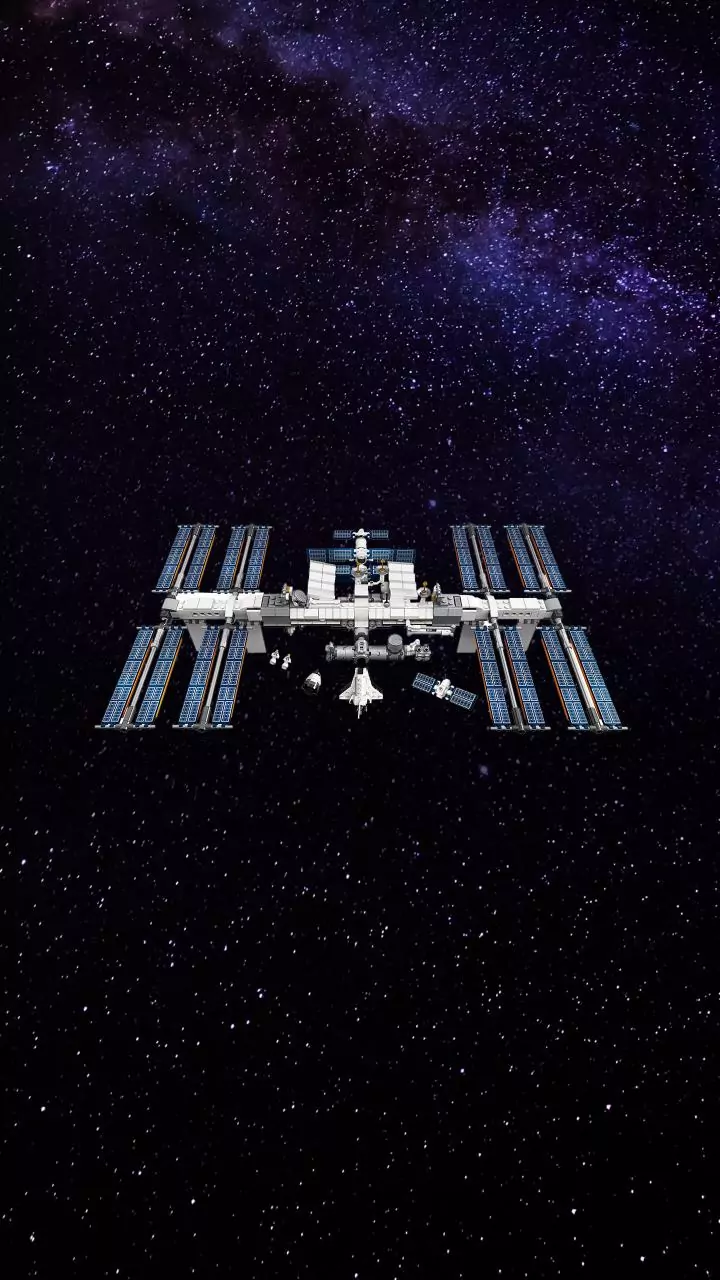
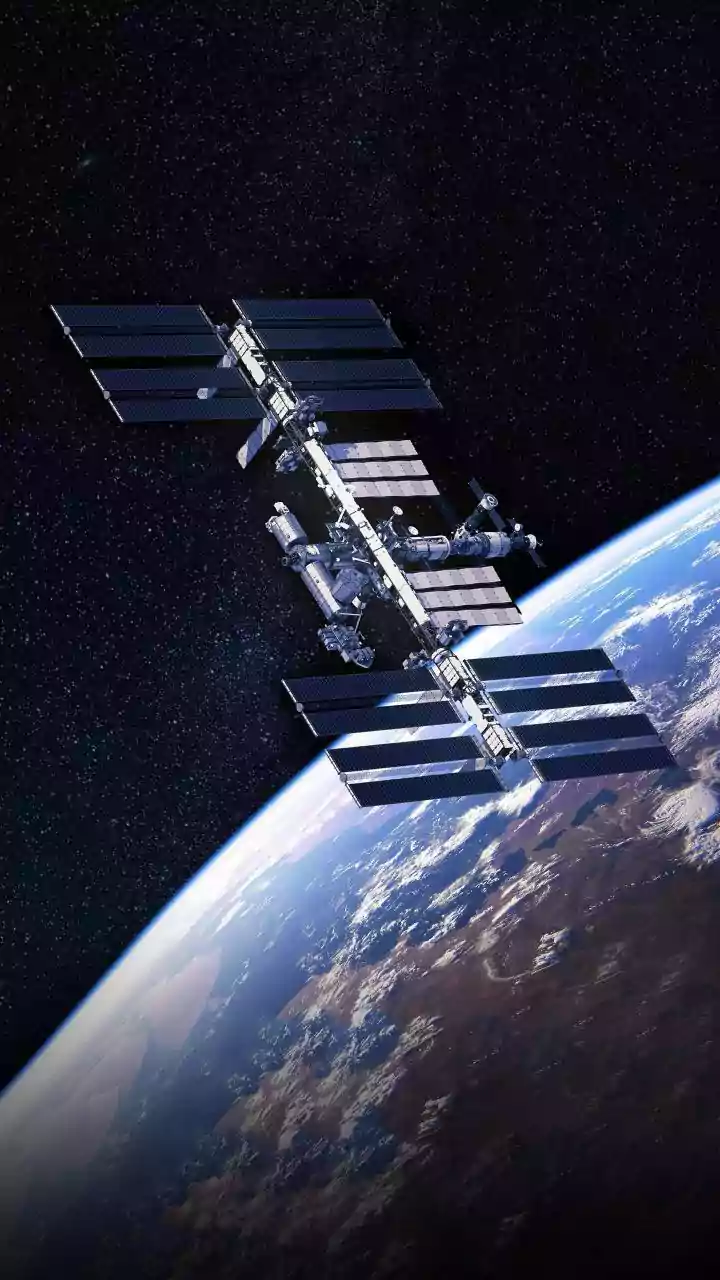
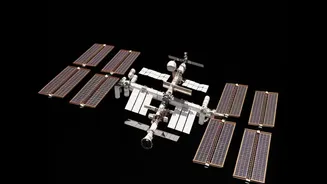
For decades, human presence in space has been the domain of government agencies. The ISS, a triumph of international collaboration, is scheduled to be deorbited around 2030. This has created an urgent need and a massive commercial opportunity: a replacement
platform for the vital research that can only be done in microgravity. Stepping into this gap is a field of private enterprises, from established aerospace giants to ambitious startups. Through public-private partnerships like NASA's Commercial Low Earth Orbit Destinations (CLD) program, companies such as Sierra Space, Vast, and Axiom Space are developing their own commercially owned and operated stations. The goal is to create a robust economy in low-Earth orbit where NASA is just one of many customers, purchasing services for research, astronaut training, and more.
The Genius of Inflatable Habitats
A key innovation driving this commercial space boom is the inflatable habitat. Unlike traditional rigid aluminium modules, which are limited by the size of a rocket's nose cone, inflatable structures are launched in a compressed, compact state and then expanded in orbit. This simple concept has enormous advantages. It allows for significantly larger interior volumes for the same launch mass, dramatically reducing costs. These flexible modules are not just space balloons; they are made of multiple layers of advanced, high-strength soft-good materials, including Vectran—a fabric reportedly five times stronger than steel when pressurized. These layers provide protection against micrometeoroids, orbital debris, and radiation, with tests showing they meet and even exceed NASA's stringent safety requirements. The result is a lighter, more spacious, and more cost-effective way to build a home and laboratory in space.
The Leading Innovators
Several companies are at the forefront of this technology. Sierra Space is a major player with its Large Integrated Flexible Environment (LIFE) habitat. The LIFE module is designed to inflate into a three-story structure, providing ample room for up to four astronauts, science labs, and even a garden. It forms the core of the Orbital Reef space station concept, developed in partnership with Blue Origin. Another key competitor, Vast, is aiming to launch the first free-flying commercial station, Haven-1, as early as 2027. Axiom Space is taking a different approach, planning to first attach its own modules to the ISS before detaching to become an independent station later on. Even newer startups like Max Space are developing their own expandable habitat designs, signalling a vibrant and competitive new market. The pioneering work on inflatables was done by Bigelow Aerospace, whose BEAM module has been successfully attached to the ISS since 2016, proving the technology's viability.
The Promise of Microgravity Research
These new commercial stations are not just destinations for space tourism; they are first and foremost laboratories. The microgravity environment of low-Earth orbit is unique, allowing for research impossible to conduct on the ground. In the absence of gravity, scientists can grow more perfect protein crystals for drug development, create flawless fiber optics, and 3D-print human organs without the tissue collapsing under its own weight. The primary fields of research include human health, materials science, pharmaceuticals, and biotechnology. For example, studying how the human body adapts to space provides insights into diseases like osteoporosis on Earth. These private stations will offer more frequent and affordable access to this unique environment, potentially accelerating breakthroughs that benefit all of humanity.