




More Than Just a Tasty Sidekick
In the grand theatre of the Indian thali, pickles are often cast in a supporting role—a flavour enhancer, a zesty afterthought. But to limit them to this role is to ignore centuries of culinary wisdom. Traditional Indian pickles, or 'achar', are not mere
condiments; they are an integral, functional component of the meal. Ayurveda has long suggested eating pickles in moderation to stimulate the digestive fire, or 'agni'. This traditional knowledge is now being understood through a modern scientific lens, revealing that your grandmother’s insistence on a daily sliver of pickle was rooted in tangible health benefits. They are a delivery system for flavour, tradition, and well-being, all packed into one potent bite.
A Living Powerhouse of Probiotics
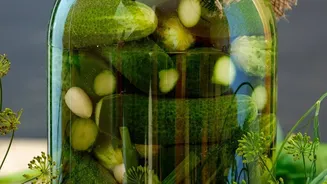
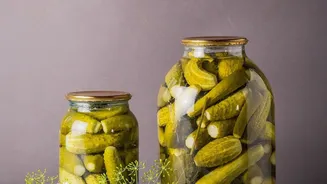
The primary 'functional' claim to fame for many traditional Indian pickles is their rich probiotic content. Unlike many commercial varieties that use vinegar for a quick preservation fix, authentic pickles are often made through lacto-fermentation. In this age-old process, vegetables or fruits are submerged in a salt brine and left to ferment naturally over days or weeks. This environment encourages the growth of beneficial bacteria like Lactobacillus, the same kind found in yogurt. These microorganisms help maintain a healthy gut microbiome, which is crucial for good digestion, nutrient absorption, and a strong immune system. So, that tangy lemon or mango pickle isn't just sour; it's alive with good bacteria working to support your digestive health.
The Medicinal Magic of Spices
Beyond fermentation, the complex blend of spices in Indian pickles is a treasure trove of health benefits. These are not added just for flavour; they are functional ingredients in their own right. Turmeric, the source of that vibrant yellow hue, contains curcumin, a powerful anti-inflammatory compound. Fenugreek (methi) seeds are known to aid digestion and help regulate blood sugar. Mustard seeds (rai) are rich in antioxidants, while asafoetida (hing) is a classic remedy for bloating and indigestion. Spices like fennel (saunf) and cumin (jeera) also contribute digestive and anti-inflammatory properties. Each spoonful of pickle is a concentrated dose of this ancient Ayurvedic pharmacy, working synergistically to enhance your meal's nutritional value.
A Tour of India in a Jar
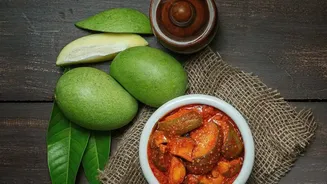
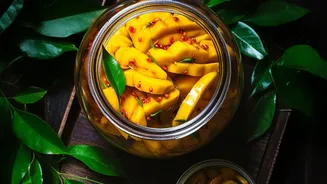
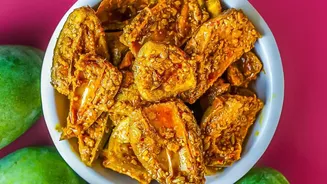
The diversity of Indian pickles is a testament to the country's varied landscape and culinary ingenuity. Each region has its own signature creations based on local produce. Andhra Pradesh and Telangana are famous for the fiery and bold Avakaya, a raw mango pickle loaded with mustard powder. From Gujarat comes the sweet and sour 'Gorkeri' or 'Chunda', a grated raw mango pickle often made with jaggery. In the North, mustard oil is the base for pungent mango, lemon, and mixed vegetable pickles. Bengal offers its unique 'Aam Tel', while Kerala is known for its lime and tamarind varieties. This incredible variety means there is a functional pickle for every palate and every plate, each telling a story of its origin.
Making a Conscious Choice
To reap the full functional benefits, the source of your pickle matters. Many mass-produced pickles found on supermarket shelves are made with vinegar and undergo pasteurisation. This process extends shelf life but kills the beneficial live bacteria that define a probiotic food. They may also contain excessive amounts of salt, oil, and synthetic preservatives. For a truly functional component on your plate, look to homemade pickles or those from producers who use traditional fermentation methods. These pickles are not just preserved; they are cultured. While they should still be consumed in moderation due to sodium content, their contribution to health is far superior.