







From Sightseeing to Soul-Searching
For decades, a typical holiday meant visiting famous monuments, scrambling for photo opportunities, and returning with a checklist of places seen. Today, a significant shift is underway. Indian travellers are increasingly seeking more than just a break;
they want enrichment and personal fulfilment. This has given rise to 'hobbycations'—trips designed around a specific interest or passion. Instead of a generic itinerary, the holiday becomes an immersive experience. Think of a photography enthusiast joining a guided tour in the Nubra Valley, a food lover taking a culinary course in a Goan family kitchen, or a wellness seeker attending a yoga retreat in the Himalayas. This move from passive observation to active participation is redefining the very purpose of travel. It’s no longer just about where you go, but what you do and who you become while you're there.
What’s Driving This Personalised Approach?
Several factors are fuelling this trend. The post-pandemic world has prompted a collective re-evaluation of life's priorities, with a greater emphasis on meaningful experiences over material possessions. Younger travellers, particularly Gen Z and millennials, are the primary drivers of this shift, accounting for over 60% of bookings in the experiential travel market. There's a growing desire for authenticity and a deeper connection with local culture, moving away from crowded tourist traps. Social media also plays a crucial role. While it once popularised landmark-focused travel, it now showcases hyper-personal experiences—like journaling in a quiet mountain cafe or learning a local craft—making unique, skill-based trips more aspirational. Furthermore, rising disposable incomes and a willingness to invest more in travel have empowered people to spend on these specialised journeys.
Your Passion, Your Itinerary
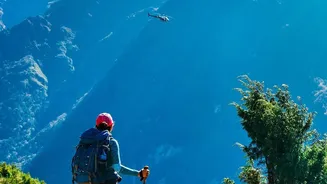
The beauty of hobby-led travel lies in its endless variety. For the artistically inclined, it could mean a pottery workshop in a quiet village or learning block-printing from artisans in Rajasthan. Adventure seekers are signing up for scuba diving certifications in the Andamans, organised treks in the Himalayas, or surf camps along the coast. Culinary tourism is booming, with travellers flocking to classes that teach regional cuisines, from preparing a Rajasthani thali to understanding the nuances of Chettinad spices. Wellness remains a powerful motivator, but it has expanded beyond generic spa days to include specialised sound healing sessions, silent nature walks for birdwatching, and intensive meditation courses. Even niche interests like creative writing, astrophotography, and spiritual quests are now being catered to with dedicated, curated trips.
An Industry Evolving to Meet Demand
The travel industry has been quick to respond. A new ecosystem of niche and boutique travel companies has emerged, offering tailor-made experiences that large operators often overlook. These companies specialise in everything from adventure travel to accessible holidays for the differently-abled. Even mainstream agencies now offer customised packages that go beyond standard sightseeing, providing options for cultural immersion, wellness, and adventure. The data speaks for itself: India's experiential travel market is projected to reach USD 45 billion by 2027. This growth reflects a structural shift in the industry, where the value is no longer just in the destination, but in the depth and personalisation of the experience offered.