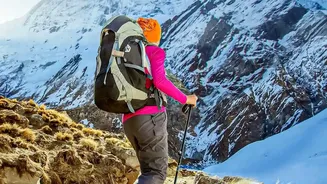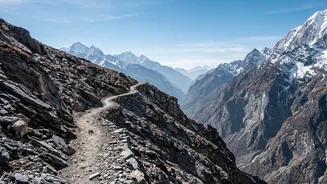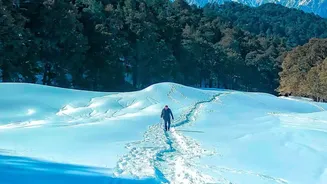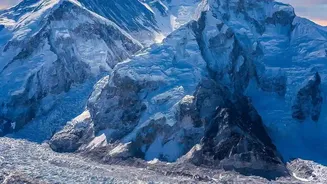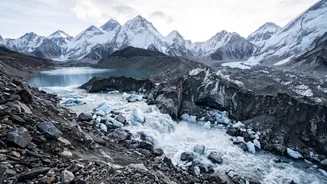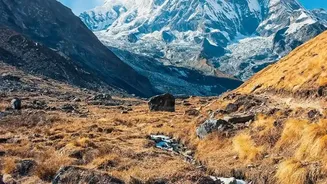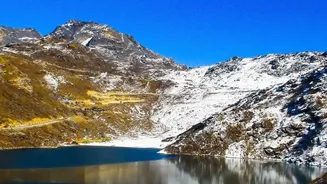




The dramatic helicopter rescue of a group of Indian trekkers near a high pass in Nepal is a stark reminder of how quickly an adventure can turn into a crisis. This incident puts a spotlight on the essential, but often overlooked, rules of mountain safety.
A High-Altitude Ordeal
For a group of four trekkers from Mumbai, the dream of conquering a popular Himalayan trail nearly ended in tragedy. Caught in a sudden whiteout just below a high pass, they found themselves disoriented, exhausted, and suffering from the early stages of altitude sickness. One member's condition deteriorated rapidly, forcing the group to activate an emergency beacon. A coordinated effort between their Nepali guide, the Trekking Agencies' Association of Nepal (TAAN), and a private helicopter service led to their precarious long-line rescue hours later. While they are now safe, their story is a cautionary tale that plays out season after season in the majestic but unforgiving mountains of Nepal.
The Irresistible Pull of the Himalayas
Nepal's mountains have long been a magnet for adventurers worldwide, and Indian nationals make up a significant portion of the visitors. The proximity, cultural familiarity, and relatively affordable costs make trekking in Nepal an accessible goal for thousands of Indians each year. From the iconic Everest Base Camp trail to the stunning vistas of the Annapurna Circuit, these routes offer a profound sense of achievement and natural beauty. However, this surge in popularity has also seen a rise in incidents, many of which are preventable. The ease of access can sometimes create a false sense of security, leading trekkers to underestimate the very real dangers that lurk above 3,000 metres.
The Unseen Dangers on the Trail
Mountain safety experts point to a recurring pattern of mistakes. The primary culprit is often Acute Mountain Sickness (AMS), or altitude sickness, which can affect anyone regardless of age or fitness level. The golden rule is to 'climb high, sleep low', but schedules are often rushed. Another major factor is the weather, which can change from bright sunshine to a blizzard in minutes. Many trekkers, particularly those on a tight budget, may opt for uncertified guides or attempt to go solo, which is now restricted on most routes for this very reason. A licensed guide is not just a navigator; they are trained to spot early signs of AMS, manage logistics, and serve as the first line of emergency response. Inadequate gear and the lack of comprehensive travel insurance that covers helicopter evacuation are other common and potentially fatal errors.
How Mountain Rescues Actually Work
When a trekker is in peril, a complex and expensive chain of events is set in motion. Rescues are typically coordinated by the trekking company in Kathmandu, often involving organisations like the Himalayan Rescue Association (HRA), which runs aid posts in key locations. A helicopter evacuation, the most common method for serious emergencies, can cost anywhere from $3,000 to $10,000 USD, a cost that must be borne by the individual if not insured. This financial pressure is why proving the necessity of a rescue is crucial and why robust insurance is non-negotiable. The system relies on a network of skilled pilots, brave guides, and dedicated medical professionals who work in some of the world's most challenging conditions to bring people home safely.
Your Pre-Trek Safety Checklist
Thinking of heading to the Himalayas? Respect for the mountains begins with preparation. First, get a thorough medical checkup and engage in cardiovascular training for at least three months. Second, choose a reputable, government registered trekking agency ; don't let price be your only guide. Third , insist on a licensed , experienced guide and porter . Fourth , your insurance policy must explicitly name 'helicopter evacuation' and cover high altitude trekking . Fifth , pack for all seasons , including a quality down jacket , waterproof layers , and broken in trekking boots . Finally , build extra acclimatization days into your itinerary . These 'rest days' are not for resting but for allowing your body to adapt to the lower oxygen levels at altitude . Following these steps doesn't eliminate risk , but it dramatically improves your ability to manage it .