





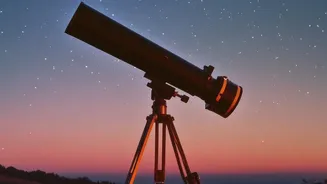
A Cosmos Away From The Crowds
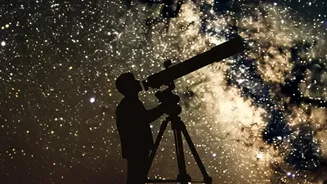
Astrotourism, or dark sky tourism, is travel centered around observing the night sky in its natural, unpolluted state. It’s a departure from conventional holidays that often involve crowded destinations and predictable itineraries. For many young travellers,
the appeal lies in its novelty and tranquillity. After years of travel culture dominated by quick trips and social media-centric spots, there is a growing demand for slower, more meaningful experiences. This winter season, destinations with minimal light pollution like Ladakh, Spiti Valley, and the Rann of Kutch are becoming hotspots for those looking to swap noise and notifications for the silent spectacle of the stars.
Trading Screens for Stars
The key driver behind this trend is a deep-seated desire for authenticity and a break from the hyper-connected digital world. Young travellers, particularly Gen Z and Millennials, are increasingly reporting burnout from the demands of modern life. Astrotourism offers an antidote: a chance to disconnect in remote landscapes where phone signals are weak but the celestial views are strong. It’s a form of travel that doesn't demand performance but instead invites quiet contemplation and awe. This search for emotional and mental restoration is a powerful motivator, pushing travellers to seek experiences that feel grounding and genuinely offline.
When Education Meets Adventure
What elevates a simple stargazing trip into an educational journey is the curated experience offered by specialized tour operators. These packages are designed to do more than just show people the stars; they aim to explain them. A typical itinerary includes guided sessions with amateur or professional astronomers, hands-on experience with powerful telescopes, and workshops on identifying constellations, planets, and even deep-sky objects like nebulae and distant galaxies. Many tours also incorporate astrophotography workshops, teaching travellers how to capture the beauty of the Milky Way. This blend of learning and adventure makes the trip more than a vacation—it becomes a field expedition into the cosmos.
India’s Premier Dark Sky Destinations
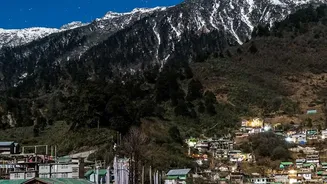
India's diverse geography offers a wealth of ideal locations for stargazing. Hanle in Ladakh, home to the Indian Astronomical Observatory, is considered a top-tier destination due to its high altitude, dry climate, and status as an official Dark Sky Reserve. Spiti Valley in Himachal Pradesh is another prime spot, with villages like Kibber and Langza providing exceptionally clear views of the Milky Way. For those seeking a different landscape, the white salt desert of the Rann of Kutch in Gujarat offers a surreal backdrop for stargazing, especially during the Rann Utsav festival. Emerging destinations also include parts of Coorg, Maharashtra, and Madhya Pradesh, where local initiatives are promoting dark sky preservation.
A Sustainable and Meaningful Choice
Beyond the personal benefits, astrotourism aligns with a growing preference for sustainable and responsible travel. By design, it encourages tourism in remote, often economically developing areas, providing a vital source of income for local communities. For instance, initiatives in Ladakh are training local guides as 'AstroAmbassadors' to engage tourists. This model promotes the preservation of natural environments by creating an economic incentive to protect night skies from light pollution. For the curiosity-driven young traveller, this adds another layer of meaning to their journey. The trip is not just about seeing the stars, but about helping to ensure they remain visible for future generations.