



The Cure for Cabin Fever
We've all seen it: the restless pacing, the mournful stare out the window, the sudden fascination with chewing your favourite shoes. When our pets can't get their daily dose of outdoor activity, pent-up energy can manifest as stress, anxiety, or naughty
behaviour. This is especially true for high-energy breeds living in urban apartments. An indoor agility course isn't just a game; it's a powerful enrichment tool. It provides crucial mental stimulation by encouraging your pet to think and problem-solve. It also offers gentle physical exercise that keeps their joints supple and their bodies moving, all while strengthening the bond between you and your furry companion.
Gathering Your Supplies
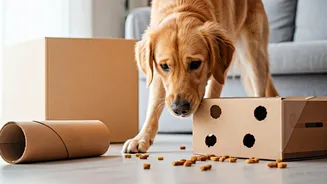
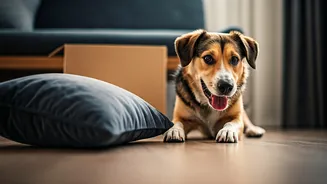
The beauty of a pillow agility course is that you already own everything you need. Forget expensive, specialised equipment. Your home is a treasure trove of potential obstacles that are soft, safe, and inviting. Raid your linen closet and living room for these items: * **Pillows & Cushions:** The star of the show! Use pillows of various sizes to create low hurdles, weaving poles, and soft landing pads. * **Blankets & Throws:** Perfect for creating fun tunnels for your pet to crawl through or for draping over two chairs to make a temporary fort. * **Towels:** Rolled-up towels can serve as small barriers or markers for your pet to step over, which is great for improving their body awareness (proprioception). * **Cardboard Boxes:** A sturdy, open-ended box (with any tape or staples removed) makes an excellent tunnel. Ensure it's large enough for your pet to move through comfortably. * **Your Pet's Favourite Toys & Treats:** These are not part of the course itself, but they are essential for luring, rewarding, and motivating your pet.
Designing Your First Course
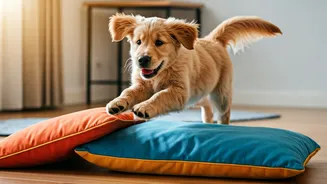
The key is to start simple and build confidence. Don't overwhelm your pet with a complex layout on the first try. Think of it as a fun, collaborative game. Begin by clearing a safe space in your living room, away from sharp corners or breakable objects. 1. **The Pillow Weave:** Arrange three or four sofa cushions in a straight line, leaving enough space for your pet to weave between them. This is a classic agility move that teaches focus and coordination. 2. **The Blanket Tunnel:** Drape a large blanket over two stable dining chairs placed a few feet apart. At first, keep the tunnel short and straight so your pet can see the exit. 3. **The Cushion Hurdle:** Place a single, low pillow on the floor for your pet to step or hop over. Avoid making it too high, especially for smaller dogs, puppies, or senior pets. Combine these elements into a simple sequence: weave through the pillows, go over the hurdle, and finish by running through the tunnel where a tasty treat awaits!
Let the Games Begin
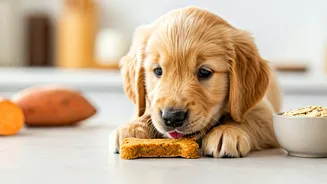
Once your simple course is set up, it's time to introduce it to your furry student. Keep the atmosphere light, positive, and playful. Use an excited tone of voice and have plenty of high-value treats on hand. Guide your pet through each obstacle one by one. Use a treat or a favourite toy as a lure to show them what to do. For the weave, lead them through the path. For the hurdle, toss a treat to the other side. For the tunnel, place a treat at the exit. Lavish them with praise, pets, and rewards for every small success. Keep initial sessions short—just five to ten minutes is plenty. The goal is to leave them wanting more, not feeling exhausted or frustrated.
Safety First, Always
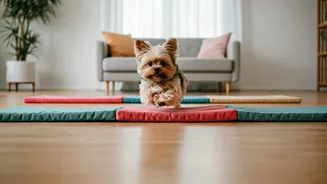
While pillow agility is designed to be low-impact, safety should always be your top priority. First, ensure your floor isn't slippery; lay down a yoga mat or a rug if needed to provide better grip. Never force your pet to do an obstacle they seem scared of. If they are hesitant about the tunnel, try lifting the blanket higher or making it shorter. The obstacles should be low to the ground to prevent any risk of injury from jumping. This activity should be tailored to your specific pet's age, size, breed, and health status. What's fun for a young Labrador might be too much for a senior Pug. Always supervise the activity and dismantle the course when you're finished to prevent any unsupervised mishaps.