






The Boom and the Bust
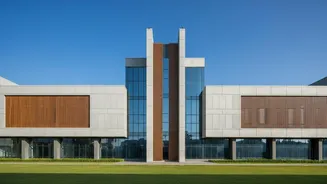
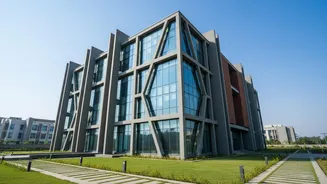
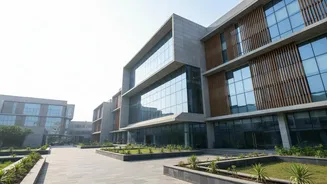
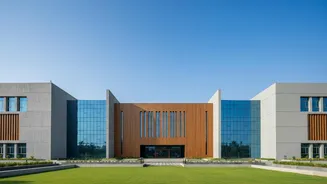
The story begins in the early 2000s, a period of explosive growth for India's IT sector. A seemingly endless demand for software professionals fuelled a rapid, often unregulated, expansion of private engineering colleges. They sprouted in cities, towns,
and even rural areas, with the promise of a secure, high-paying career. For a generation, engineering became the default path to upward mobility. The result was a massive oversupply of institutions and seats. However, this boom was not sustainable. Many institutions failed to invest in qualified faculty, modern infrastructure, or updated curricula. As the years went on, a clear gap emerged between the skills taught in these colleges and the expertise demanded by the industry, leading to a crisis of graduate unemployability. Students began to favour established colleges with strong placement records, leaving newer, lower-quality institutions with vast numbers of empty seats.
AICTE’s Corrective Measures
In response, the All India Council for Technical Education (AICTE), the country's technical education regulator, has shifted its focus from expansion to consolidation. The council has initiated a policy of "progressive closure" for institutions that consistently fail to meet standards. In the 2025-26 academic year alone, 58 engineering and technical colleges were approved for such closure. This policy means colleges can no longer admit new students but must allow existing ones to complete their degrees, ensuring minimal disruption. The primary reasons cited by AICTE for these closures are persistently low student admissions, a shortage of qualified faculty, and failure to comply with quality and infrastructure norms. This move signals a decisive pivot from prioritising the quantity of engineering seats to ensuring the quality of education provided.
A Revolution in Student Demand
The consolidation is also a direct response to a dramatic change in what students and employers want. While enrolments in traditional branches like mechanical and civil engineering have seen pressure, there is a surge in demand for courses in computer science and allied fields. New-age specialisations like Artificial Intelligence (AI), data science, cybersecurity, and robotics are now the top choices for aspiring engineers. Job postings for AI and machine learning roles, for instance, have grown exponentially. This shift is so profound that overall BTech enrolments actually hit an eight-year high in 2024-25 session, driven almost entirely by these tech-focused disciplines. Students are keenly aware that the future of work lies in specialised, interdisciplinary skills, and they are voting with their feet, abandoning outdated courses for those that promise relevance and employability in a digital-first economy.
What This Means for Students
For students and their parents, this changing landscape brings both clarity and challenges. The closure of underperforming colleges, while disruptive for some, ultimately protects future students from investing in a low-quality education that offers poor job prospects. It forces a flight to quality, rewarding institutions that have kept pace with industry needs. The clear demand for new-age skills provides a roadmap for career planning. However, it also raises the stakes. The 'mad rush' for AI and machine learning programmes has led some to question whether enough colleges have the truly qualified faculty to teach these advanced subjects effectively. Aspiring engineers must now be more discerning than ever, looking beyond the course title to evaluate the faculty expertise, lab facilities, and industry connections that will determine their real-world readiness.