

The Building Blocks of Life: Amino Acids
Before we can understand the magic of dal-chawal, we need to talk about protein. Proteins are essential for nearly every function in your body, from building muscle and repairing tissue to creating hormones and immune cells. These proteins are constructed
from smaller units called amino acids. There are 20 different amino acids, but nine of them are called 'essential' because our bodies can't produce them. We must get these nine essential amino acids—histidine, isoleucine, leucine, lysine, methionine, phenylalanine, threonine, tryptophan, and valine—from the food we eat.
What Makes a Protein 'Complete'?
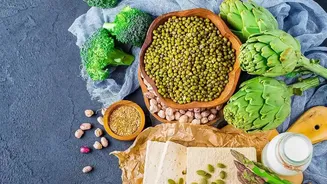
A food source is considered a 'complete protein' when it contains all nine of these essential amino acids in sufficient quantities. Most animal-based foods, such as meat, eggs, and dairy products, are naturally complete proteins. On the other hand, most individual plant-based foods are 'incomplete,' meaning they are low in one or more of these essential amino acids. This is where the concept of protein combining, or complementation, becomes important, especially for those following a vegetarian or vegan diet.
The Power of the Pair: Rice and Lentils
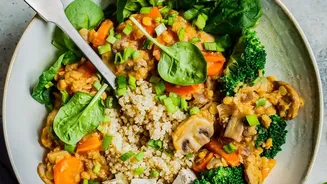
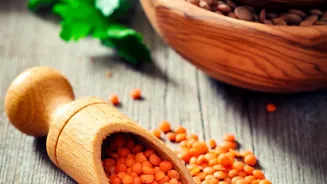
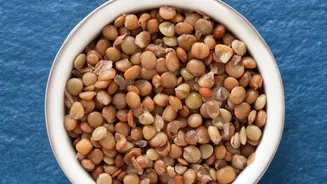
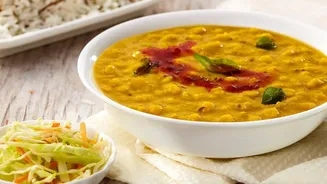
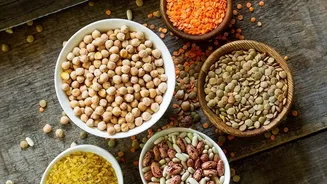
This brings us back to our humble plate of lentils and rice. Individually, each is an incomplete protein. Grains like rice are typically low in the essential amino acid lysine. Legumes, such as lentils (dal), are deficient in the sulfur-containing amino acids methionine and cysteine. However, when you eat them together, they form a perfect partnership. The lentils provide the lysine that the rice is missing, and the rice supplies the methionine that the lentils lack. Together, they deliver all nine essential amino acids, creating a complete protein profile that your body can use effectively.
Beyond Dal and Rice: Other Powerful Pairings
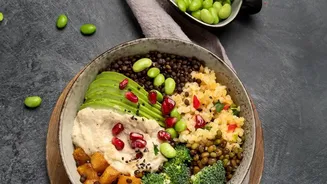
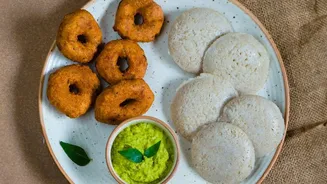
This principle of nutritional synergy is a cornerstone of many traditional cuisines around the world, often without people even realizing the science behind it. Indian cuisine is full of such examples. Think of rajma-chawal (kidney beans and rice), chana-roti (chickpeas and flatbread), or dosa and sambhar, which is made from a fermented batter of rice and urad dal. Other classic combinations include hummus (chickpeas and sesame tahini) with pita bread, a peanut butter sandwich on whole-wheat bread, or Mexican-style beans and corn tortillas. The general rule is to pair legumes with grains, nuts, or seeds to cover all your amino acid bases.
A Modern View: Do You Need to Combine in One Meal?
For a long time, it was believed that you had to eat these complementary proteins in the same meal for your body to benefit. However, modern nutritional science has debunked this myth. Research now shows that your body maintains a reserve 'pool' of amino acids throughout the day. As long as you consume a variety of plant protein sources—legumes, grains, nuts, and seeds—over the course of the day, your body can pull the necessary amino acids from this pool to build complete proteins as needed. So, you could have dal for lunch and roti for dinner and still get the same complementary benefit.