
The Creamy Classic: Malai Kofta
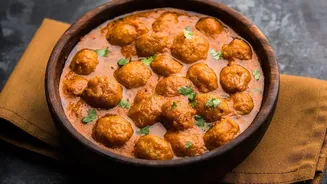
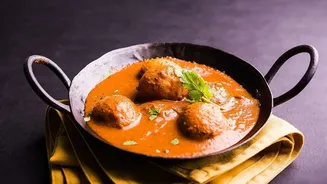
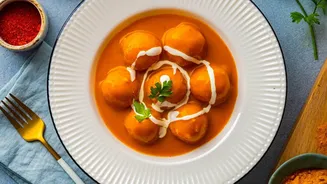
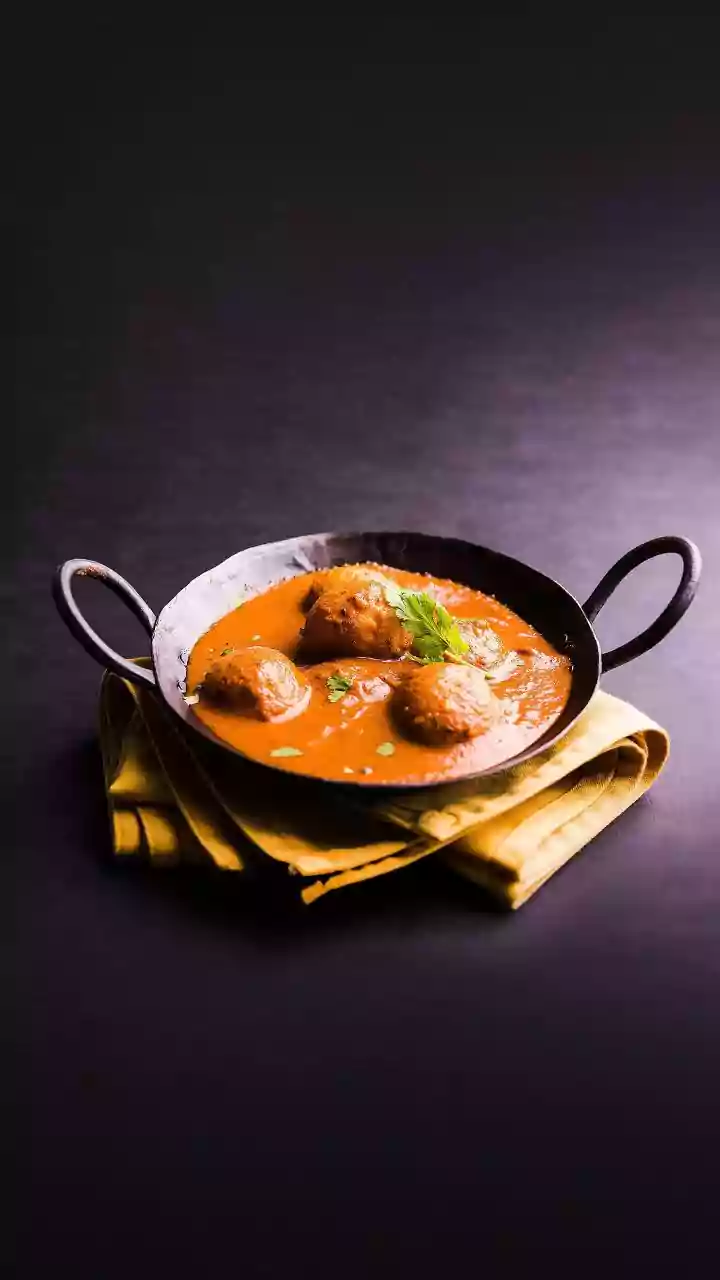
Perhaps the most famous of them all, Malai Kofta is a star on North Indian restaurant menus and a fixture at celebrations. Its origins are tied to the opulent Mughal era, when royal cooks adapted Persian meatball dishes for vegetarian palates. The koftas
themselves are delicate, melt-in-the-mouth spheres made from paneer (Indian cottage cheese), potatoes, and sometimes khoya (milk solids), which are then deep-fried to a perfect golden brown. These rich dumplings are served in an even richer, cream-based gravy, typically made from a smooth blend of tomatoes, onions, and cashew paste. The result is a mildly spiced, sweet, and nutty curry that is pure indulgence.
The Royal Showstopper: Nargisi Kofta
A dish as poetic as its name, Nargisi Kofta is a visual and culinary delight. 'Nargis' is the Persian word for the narcissus flower, and the dish is named for its striking appearance when sliced open: a golden egg yolk encased in white, resembling the flower. This showstopper involves wrapping a hard-boiled egg in a layer of spiced minced meat (usually mutton), which is then fried and often served in a fragrant gravy. Heavily associated with Mughlai and Awadhi cuisines, it was a celebratory dish served at royal banquets. Some food historians even suggest that British officers returning from India adapted the dish, eventually creating the Scotch egg.
The Kashmiri Delicacy: Gushtaba
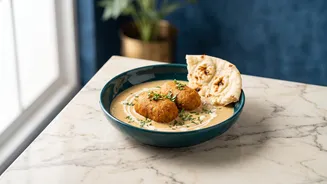
Hailing from the valleys of Kashmir and a celebrated part of the traditional Wazwan feast, Gushtaba is in a league of its own. It is often referred to as the 'dish of kings'. This is not your everyday kofta. Gushtaba is made from mutton that is painstakingly pounded on a stone with a wooden mallet until it forms a soft, paste-like consistency. This process, which involves adding fat and spices like cardamom, ensures the meatballs are incredibly tender and bouncy. These large, smooth meatballs are then simmered in a delicate, tangy gravy made primarily from whisked yogurt and seasoned with fennel, dry ginger, and cloves. The flavour is subtle, aromatic, and unlike any other kofta in India.
The Bengali Innovation: Kanchkolar Kofta
Bengal's culinary landscape is known for its inventive use of vegetables, and Kanchkolar Kofta is a prime example. 'Kanchkola' means raw banana, which forms the base of these unique vegetarian dumplings. The raw bananas are boiled and mashed, typically with potatoes, and mixed with spices like roasted cumin powder and green chillies before being shaped into balls and fried. These koftas are then served in a light yet flavourful gravy, which gets its characteristic aroma from mustard oil and spices like bay leaves and cardamom. It’s a testament to how regional kitchens transform humble ingredients into something truly special.
The Homely Favourite: Lauki Kofta
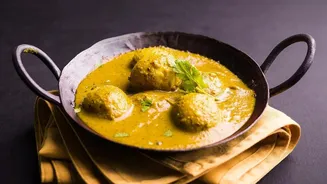
Bottle gourd, or 'lauki', may not be the most celebrated vegetable, but in Lauki Kofta, it becomes the star of a beloved North Indian comfort food. This dish is a common feature in home kitchens across the region. To make the koftas, grated lauki is squeezed of its excess water and mixed with besan (gram flour) and spices to form a batter. These are fried into light, airy dumplings that are perfect for soaking up flavour. The gravy is typically a simple, tangy base of onion and tomato, seasoned with everyday spices like coriander, turmeric, and cumin. It’s a wholesome and flavourful curry that proves a delicious meal doesn't always need fancy ingredients.