




The Science of a Complete Protein
Before we dive into delicious dishes, let's understand the 'why'. Proteins are made of building blocks called amino acids. There are nine 'essential' amino acids that our bodies cannot produce, so we must get them from food. Animal products like eggs
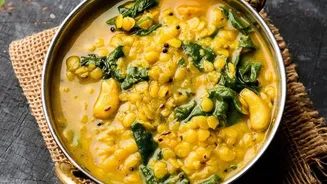
are 'complete proteins' because they contain all nine. Most plant-based foods are 'incomplete,' meaning they are low in one or more of these essential amino acids. However, Indian cuisine has long practiced the art of 'protein complementarity'. Pulses (like dals and beans) are typically low in the amino acid methionine but rich in lysine. Grains (like rice and wheat) are the opposite—low in lysine but containing methionine. When you eat them together, they fill each other's nutritional gaps, creating a complete protein profile that your body can use effectively for everything from muscle repair to sustained energy.
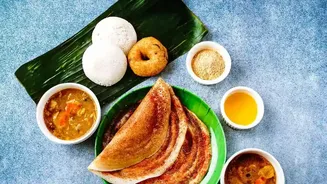
Idli & Dosa with Sambar: The Perfect Pair
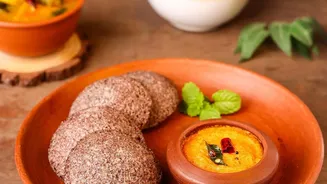
The classic South Indian breakfast of idli or dosa with sambar is a perfect, real-world example of this principle. The batter for both idli and dosa is traditionally made from a fermented blend of rice (a grain) and urad dal (a pulse). This combination alone is a good start. When you add a bowl of sambar, which is a stew made primarily from toor dal (another pulse), the protein content gets a significant boost. A typical serving of three idlis with a generous, dal-rich portion of sambar can provide a decent 9 to 12 grams of protein, making it a balanced and wholesome start to the day. The fermentation process also has the added benefit of making the nutrients more bioavailable and supporting good gut health.
Moong Dal Chilla: The Savoury Power Pancake
Moong dal chilla, a savoury pancake popular across India, is another protein powerhouse. Made from a simple batter of soaked and ground moong dal (split green gram), these crepes are incredibly rich in plant-based protein and fibre. A single medium-sized chilla can contain around 6 to 8 grams of protein. Eaten as a pair, they provide a substantial breakfast meal. Because they are made entirely from lentils, they are naturally gluten-free and easy to digest. To boost the protein and flavour even further, you can add a filling of crumbled paneer (Indian cottage cheese), which can increase the total protein of the meal to over 20 grams.
Pesarattu: The Andhra Green Gram Dosa
A cousin to the chilla, pesarattu hails from Andhra Pradesh and is made from whole green moong dal. It's naturally high in protein, with a typical home-sized serving offering about 8 to 10 grams. Unlike a regular dosa, a traditional pesarattu doesn't require fermentation, making it a quicker option for busy mornings. It's packed with fibre, which aids digestion and promotes a feeling of fullness, helping to prevent mid-morning snack cravings. Rich in iron, magnesium, and folate, it's a nutrient-dense choice that supports overall energy and well-being.
Dal Paratha and Stuffed Breads
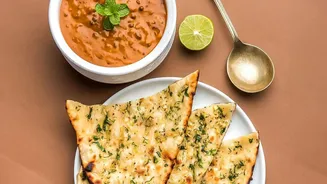
One of the most practical and resourceful ways to create a high-protein breakfast is by using leftovers. Kneading leftover dal into whole wheat flour (atta) to make dal parathas is a time-honoured tradition in many Indian homes. This not only prevents food waste but also enriches the simple grain-based flatbread with the protein from the lentils. Similarly, parathas can be stuffed with sattu (roasted gram flour), a protein-rich ingredient especially popular in regions like Bihar. Sattu is an affordable powerhouse of protein, fibre, and essential minerals, making it an excellent addition to your morning routine.