






Meet Nilgiri: The Blue Mountain Tea
Grown in the Nilgiri Hills, or 'Blue Mountains', of Southern India, this tea is one of India’s three major tea-growing regions, alongside Assam and Darjeeling. Cultivated at high altitudes, sometimes up to 8,000 feet, the unique geography and climate,
which includes two monsoon seasons, give Nilgiri tea its distinctive character. Unlike the bold, malty profile of Assam or the delicate, muscatel notes of Darjeeling, Nilgiri tea is prized for being exceptionally aromatic, bright, and fragrant, with a medium body. Its flavour is often described as having natural floral and citrus-like fruity notes, making it a standout choice even before any fruit is added.
The Secret is Low Tannins
The single most important reason Nilgiri tea excels in cold brews is its naturally low level of tannins. Tannins are chemical compounds found in tea leaves that contribute to bitterness and astringency—that dry, puckering sensation in your mouth. While hot water extracts these compounds quickly, the cold brew method, which involves steeping leaves in cold water for 12 to 24 hours, is much gentler. This slow, patient extraction pulls out the tea's desirable sweet and aromatic flavours while leaving most of the bitter tannins behind. Because Nilgiri tea starts with fewer tannins than many other black teas, the final cold-brewed product is incredibly smooth, naturally sweet, and entirely free of bitterness.
A Flawless Canvas for Fruit
The goal of a fruit infusion is to let the fruit’s natural flavour shine. A tea base that is too strong or bitter can easily overpower or clash with the delicate notes of peaches, berries, or citrus. Nilgiri’s low astringency and smooth profile make it the perfect partner for fruit. Its own subtle floral and fruity notes complement added ingredients rather than competing with them. This creates a harmonious blend where the essence of the tea and the fruit can coexist and elevate each other. The result is a balanced, nuanced beverage that tastes clean and refreshing, not muddled. This quality makes it a 'blender's dream' for creating craft drinks.
Clarity That Counts
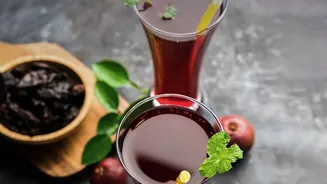
Appearance is a big part of the appeal of a cold brew. Many black teas, when chilled, can become cloudy or murky due to the tannins and other compounds binding together—a process called 'tea creaming'. Nilgiri tea, however, has a unique quality: it remains exceptionally clear and brilliant, even when iced. This results in a visually stunning drink with a vibrant, glowing hue that looks as good as it tastes, which is why it is often used by global brands for commercial iced tea products. When you’re infusing with colourful fruits like strawberries or slices of orange, this clarity allows the beauty of the ingredients to be seen.
Perfect Pairings and Pro Tips
Nilgiri’s versatile profile pairs beautifully with a wide range of fruits and herbs. For a bright, zesty infusion, try adding slices of citrus like lemon, orange, or sweet lime. For a sweeter, more summery taste, add a handful of fresh or frozen berries, such as strawberries, blueberries, or raspberries. Stone fruits like ripe peaches and nectarines also work wonderfully. To maximise flavour, lightly crush or muddle berries before adding them to your finished cold brew, and let them infuse for a few hours in the refrigerator. You can also add fresh herbs like mint or basil to further enhance the tea's natural aromatics.