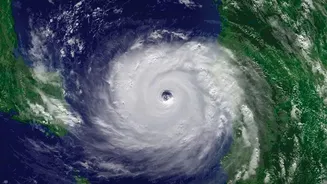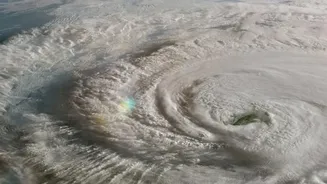





As Cyclone Arnab approaches, bringing heavy rains and the threat of severe flooding, many face the urgent question of whether to travel. Driving on waterlogged highways is fraught with hidden dangers that can turn a simple journey into a crisis.
Your First Check: Official Advisories
Before
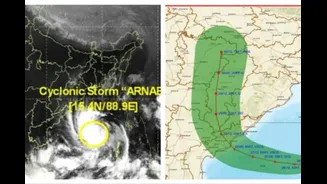
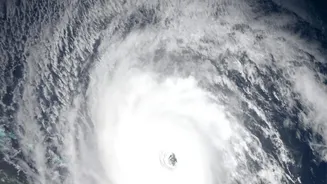
you even consider reaching for your car keys, your first action should be to consult official sources. The India Meteorological Department (IMD) and the National Disaster Management Authority (NDMA) are the primary sources for cyclone tracking and safety advisories. These agencies provide real-time updates on the cyclone's path, intensity, expected rainfall, and areas under red alert. Airlines and railways will also issue travel warnings based on IMD data. If authorities advise against non-essential travel, the safest decision is to stay put. Heeding evacuation orders is not a suggestion—it is a critical step for your safety.
Pre-Drive Vehicle Safety Checklist
If travel is unavoidable, a thorough vehicle check is essential. Start with the most critical components for wet conditions. Your tyres are your only contact with the road; ensure they have adequate tread depth to channel water away and prevent skidding. Check that tyre pressure is at the manufacturer's recommended level. Next, inspect your windscreen wipers. They must be able to clear water without streaking or smearing, as visibility can drop to near-zero in a downpour. Finally, test all your lights—headlights, taillights, and brake lights. In heavy rain, your lights are crucial for seeing the road and for being seen by other drivers.
The Dangers of Hydroplaning
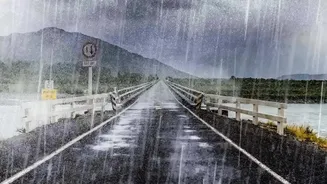
One of the greatest risks on wet highways is hydroplaning. This occurs when a layer of water builds up between your tyres and the road surface, causing a loss of traction and control. At high speeds, your tyres can't displace water fast enough, and the vehicle effectively starts to skate on the water's surface. This can happen at speeds as low as 55 kmph. To avoid it, significantly reduce your speed on wet roads. If you feel the steering become light or the car begin to drift, do not slam on the brakes or make sudden turns. Instead, ease your foot off the accelerator and steer straight until you feel the tyres regain their grip on the road.
Reading the Road: Flooded Sections
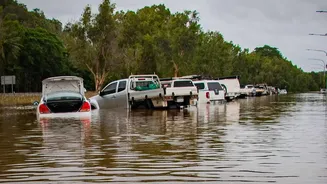
Never assume you can gauge the depth of a flooded road. As little as a foot of water is enough to float many cars, and just six inches of fast-moving water can sweep a person off their feet. The NDMA strongly advises against driving through any standing or moving water. Floodwaters conceal hidden dangers like deep potholes, open manholes, submerged debris, and even downed power lines that can pose an electrocution risk. If you see a flooded patch ahead, the only safe option is to turn around and find an alternate route. The phrase 'Turn Around, Don't Drown' is a life-saving rule. It is never worth the risk to yourself or your vehicle.
If Your Car Gets Stuck in Water
If your vehicle stalls in rising water, the single most important rule is to not try and restart the engine. Attempting to do so can force water into the engine's cylinders, leading to a condition called 'hydrolock', which causes catastrophic and often irreparable damage. Your priority becomes your personal safety. If the water level is rising, abandon the vehicle and move to higher ground immediately. It can be difficult to open a car door against water pressure, so it may be necessary to exit through a window. Once you are safe, contact roadside assistance and your insurance provider.
Pack a Car Emergency Kit
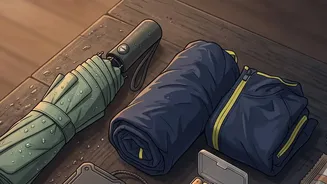
During cyclone season, every car should have a well-stocked emergency kit. This can be a lifeline if you become stranded. Your kit should include a powerful flashlight with extra batteries, a firstaid kit, and a portable power bank for your phone. Also include nonperishable food items like biscuits or energy bars, and several bottles of drinking water. Important documents, such as your vehicle's registration and insurance papers, should be kept in a waterproof bag. A basic toolkit, jumper cables, and a whistle to signal for help are also wise additions.