





The New Look of the Dairy Aisle
Walk into an urban supermarket today, and you’ll see a dairy section that looks vastly different from a decade ago. Alongside the familiar milk and paneer now sit tubs of thick Greek yogurt, packets of flavoured lassi, probiotic drinks, and an expanding
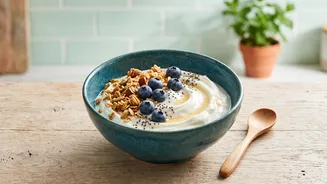
variety of cheeses, from simple processed slices to more ambitious options. This shift is what the industry calls the rise of 'value-added dairy products'—items that are processed, packaged, and often premiumised for the modern consumer. Products like high-protein paneer, artisanal yogurts, and ready-to-drink protein coffees are moving from niche categories to mainstream consumption. This transformation is not just about new products; it's about a fundamental change in how dairy is consumed, moving from a raw ingredient to a convenient, branded, and often health-focused food item.
What's Fuelling the Change?
Several factors are driving this dairy diversification. The primary engine is the Indian consumer. With rising disposable incomes, growing urbanisation, and greater exposure to global cuisines, shoppers are more willing to experiment and pay a premium for convenience and quality. A growing health consciousness is another major catalyst. Consumers are actively seeking out products that offer specific benefits, such as the high protein content in Greek yogurt or the gut-health benefits of probiotic drinks. This demand is particularly strong among younger, fitness-aware urban consumers. The rapid expansion of quick-commerce platforms has also been a game-changer, making it easier than ever for households to get these cold-chain products delivered to their doorstep, often in minutes.
How Companies Are Cashing In
India's dairy giants are not just watching this trend; they are actively shaping it. The market is no longer just about who can collect the most milk, but who can extract the most value from it. Companies are aggressively shifting their focus from low-margin liquid milk to high-margin value-added products. While liquid milk might offer single-digit margins, items like probiotic curd can fetch margins of 15-20%, and specialised cheeses can command even higher returns. Major players like Amul and Mother Dairy are expanding their portfolios to include everything from Greek yogurt to a wider array of cheeses. For instance, Mother Dairy saw revenue from value-added products jump to 28% of its dairy business in fiscal year 2026, up from around 15% just five years prior. This strategic pivot is also attracting new investments, with companies expanding manufacturing capacity specifically for these high-growth categories.
A Growing Appetite for Cheese
Perhaps no category illustrates this shift better than cheese. Once largely confined to pizzas and burgers in quick-service restaurants, cheese is now a staple in many Indian home kitchens. The Indian cheese market is experiencing robust growth, with some forecasts projecting a compound annual growth rate of over 19% between 2026 and 2034. This boom is driven by the foodservice sector and by home cooks who are incorporating cheese into both Western and fusion Indian dishes. While processed cheese still dominates the market due to its affordability and long shelf life, natural and artisanal cheeses are steadily gaining ground among premium consumers. Cow milk-based cheeses hold the majority of the market share, reflecting the broader industry's supply base.
The Impact Beyond the Supermarket
This trend is more than a consumer story; it has significant implications for the entire dairy economy. For India's millions of dairy farmers, the growing demand for value-added products can lead to more stable incomes. Processing milk into products like paneer, ghee, or cheese extends its shelf life and creates new revenue streams, making small and mid-sized dairies more profitable and less susceptible to price swings in the raw milk market. Furthermore, the development of a robust value-added dairy sector requires significant investment in cold-chain infrastructure, logistics, and quality control, boosting the broader economy and creating a more resilient food system from the farm to the fridge.