


The King of Fruits' Humble Reign
For generations, jackfruit has been a quiet constant in Indian cuisine. Known by many names—'kathal' in the north, 'chakka' in Kerala, 'panasa' in Andhra Pradesh—this giant, spiky fruit has long been a feature of regional cooking. Traditionally, the unripe
green jackfruit, with its fibrous, meat-like consistency, was simmered into hearty curries like Bengal's 'Echorer Dalna' or Karnataka's 'Halasina Kayi Palya'. Its ability to absorb spices made it a natural star in complex masalas and biryanis, offering a satisfying, textured bite long before the term 'meat substitute' became a global trend. The ripe version, with its sweet, distinctive aroma, was enjoyed as is or transformed into jams and desserts. This was food of sustenance, rooted in seasonality and local tradition.
From Backyard Staple to Superfood Star
So, why the sudden celebration? The jackfruit's modern resurgence is tied to a global shift towards plant-based eating and a renewed interest in indigenous ingredients. As the world searched for sustainable meat alternatives, it discovered what Indian kitchens knew all along: unripe jackfruit has a remarkable, meat-like texture. This has propelled it from a 'poor man's food' to a trendy superfood. But its appeal isn't just textural. Jackfruit is packed with nutrients, including vitamin C, potassium, and dietary fibre. It has a relatively low glycemic index, making it a good option for blood sugar management, and it's rich in antioxidants. This powerful combination of health benefits and culinary flexibility has made it the new darling of health-conscious consumers and innovative chefs alike.
A Tale of Two Jackfruits
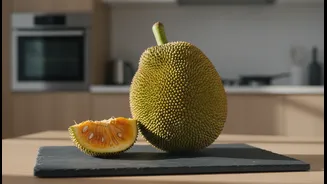
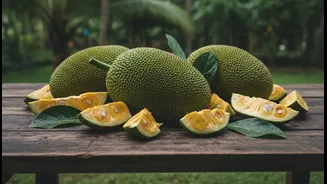
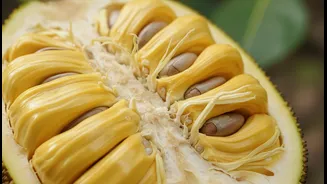
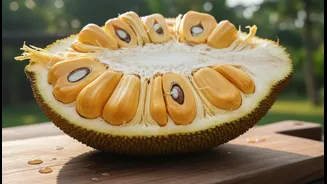
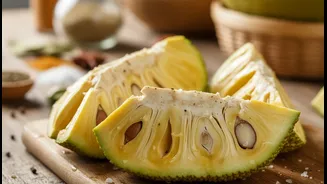
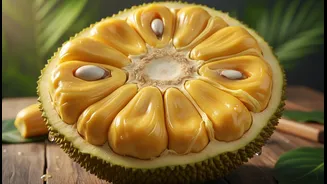
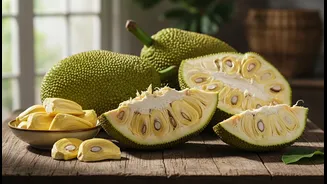
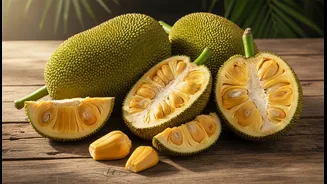
To truly appreciate jackfruit, one must understand its dual personality. The unripe, green fruit ('kathal' or 'echor') is a vegetable in the culinary sense. Its flesh is neutral in flavour and dense, perfect for shredding like pulled pork or cutting into chunks for a robust curry. This is the form celebrated in savoury dishes, where it soaks up the surrounding flavours of onion, ginger, garlic, and spices. In contrast, the ripe, yellow jackfruit is intensely sweet and aromatic. The fleshy pods ('arils') surrounding the seeds are eaten as a tropical fruit, with a flavour profile somewhere between a mango, pineapple, and banana. This version is the star of desserts like 'chakka pradhaman' (a Keralan payasam) or simply enjoyed on its own during a hot summer day. Many vendors now sell pre-cut green jackfruit or convenient canned versions, making it easier than ever to experiment.
The New Culinary Canvas
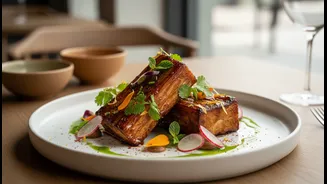
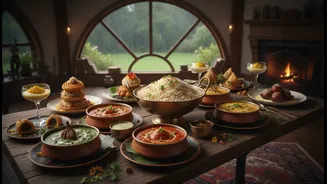
Indian kitchens are now celebrating this versatility with gusto. Chefs and home cooks are moving beyond traditional sabzis and curries to explore jackfruit's potential in new and exciting ways. Picture this: kathal biryani that could fool a meat-lover, crispy jackfruit cutlets and kebabs, and even jackfruit tacos with a desi twist. The meaty texture of raw jackfruit is being used to create plant-based versions of classics like Bengali 'Kosha Mangsho'. It's being stuffed into sandwiches, stir-fried with coastal spices, and layered into elaborate meals. This culinary renaissance shows that jackfruit is no longer just a substitute; it's an ingredient celebrated for its own unique qualities, providing a canvas for endless creativity.
Embracing the Entire Fruit
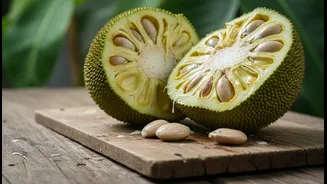
The jackfruit celebration also taps into a deep-rooted philosophy of using every part of an ingredient. In many households, nothing from the jackfruit goes to waste. The large seeds, which are nutritionally rich themselves, are often boiled, roasted, or added to curries, providing a creamy, nutty texture. Even the leaves have traditional uses, sometimes employed to wrap steamed foods like 'Kulae Puttu' in Coorg. This nose-to-tail, or rather, skin-to-seed approach, aligns perfectly with modern conversations around food waste and sustainability. It's a reminder that the wisdom of our grandparents’ kitchens is more relevant today than ever.