







Thinking Beyond the Checklist
For decades, the classic 'Ten Essentials' list has been the gospel for hikers. Navigation, sun protection, insulation, illumination, first aid, fire, repair kit, nutrition, hydration, and emergency shelter. While this list remains a crucial foundation,
the modern hiker’s mindset has evolved from simply checking boxes to actively optimizing. The goal isn't just to have the essentials, but to have the smartest, most efficient version of them. This means prioritizing multi-use items, understanding the real-world application of your gear, and shedding redundant weight. Before you pack, lay everything out. For each item, ask yourself: 'What is its primary function? What is its secondary function? Is there a lighter or more versatile alternative?' This simple audit is the first step toward transforming a heavy, cumbersome bag into a streamlined survival system.
Harnessing the Sun’s Power
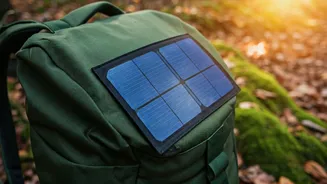
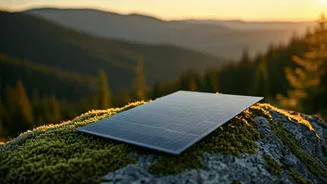
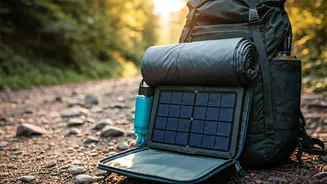
One of the biggest shifts in modern backpacking is power management. Your smartphone is now your map, your camera, and your emergency communicator. A headlamp is useless with dead batteries. This is where a portable solar panel becomes a critical piece of survival gear, not a luxury. When choosing a solar charger, don't just look at the price. Consider three key factors: wattage, weight, and durability. For most backpackers, a 10-20 watt panel offers a good balance, providing enough juice to charge a power bank or phone directly in decent sunlight. Look for lightweight, foldable models designed for the rigours of the trail—ones that are water-resistant and can be easily strapped to the outside of your pack to charge as you walk. Pairing it with a small power bank ensures you have stored energy for nighttime or overcast days, effectively creating an endless power supply for your most important electronics.
The Unsung Hero: The Tarp
In the world of ultralight backpacking and survival, few items offer more utility per gram than a simple, high-quality tarp. Forget the heavy, grommeted blue tarps from the hardware store. We're talking about lightweight, waterproof tarps made from silnylon or Dyneema Composite Fabric that can pack down to the size of a water bottle. Its most obvious use is as an emergency shelter, which can be configured in dozens of ways with some trekking poles and cordage. But its usefulness doesn't stop there. A tarp can serve as a ground cloth to keep your gear dry, a rain poncho in a downpour, a makeshift gear hammock to keep food away from ground critters, or a funnel to collect rainwater. This incredible versatility is the very definition of gear optimization. By carrying one lightweight item, you're effectively packing a shelter, a groundsheet, and a rain cover, saving significant weight and space in your bag.
Building Your 'What If' Kit
While solar panels and tarps cover big-picture needs, a dedicated and compact 'what if' kit handles the immediate, small-scale emergencies. This isn't your main first-aid kit, but a small, waterproof pouch containing the absolute essentials for survival. This kit should include multiple ways to start a fire—a non-negotiable for warmth, signalling, and purifying water. Pack a ferro rod, a small lighter, and waterproof tinder. For water, carry a small squeeze-filter like a Sawyer Squeeze and a few water purification tablets as a backup. A signal mirror, while low-tech, is incredibly effective for attracting attention from afar. Add a loud emergency whistle, a small amount of high-strength duct tape wrapped around a pencil, and a few high-calorie energy cubes. This entire kit can be smaller than your fist but contains the tools to solve the most common and life-threatening backcountry problems.