





Plan Ahead: Your First Line of Defence
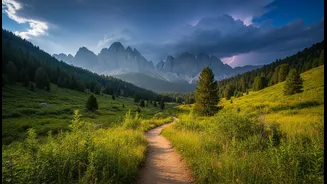
Spontaneity has its charms, but not during monsoon treks. The first step to a safe trek happens before you even lace up your boots. Start by researching your trail thoroughly. Opt for trails known to be safe during the rainy season and avoid those prone
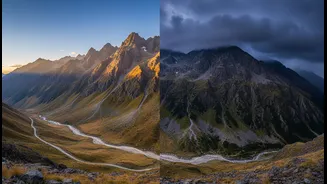
to landslides or flash floods. Check the latest weather forecasts from reliable sources like the India Meteorological Department (IMD) right up until you start. Monsoon weather is notoriously unpredictable, and conditions can change in hours. Many forest departments may close certain routes or waterfalls during heavy rains, so verify accessibility with local authorities. Always inform a friend or family member about your detailed itinerary, including your route and expected return time. This simple step is a critical safety net in case of an emergency.
Gear Up: The Right Kit for Rainy Trails
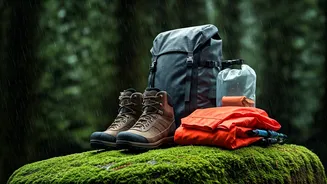
Your gear is your best friend on a wet and wild trail. Cotton is your enemy; it absorbs moisture, gets heavy, and can lead to hypothermia. Instead, opt for lightweight, quick-drying synthetic clothes that wick moisture away from your skin.
Key non-negotiable items include:
* Waterproof Footwear: Invest in trekking shoes with excellent grip and ankle support to handle slippery, muddy terrain. Never use brand-new shoes; break them in beforehand to prevent blisters.
* Rain Protection: A high-quality poncho or a rain jacket and pants set is essential. A poncho can also cover your backpack, but a dedicated waterproof rain cover for your bag is the best way to keep your essentials (clothes, electronics, food) dry.
* Trekking Poles: These are invaluable for maintaining balance on slippery descents and while crossing streams.
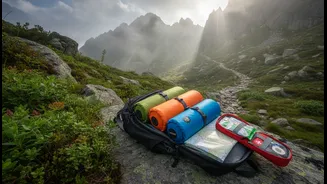
* Dry Bags: Use dry sacks or even simple plastic bags inside your main rucksack to compartmentalise and add an extra layer of waterproofing for your gear.
* Headlamp: Crucial for visibility, as monsoon afternoons can get dark quickly.
* Leech Socks: In leech-prone areas, these can be a lifesaver for your comfort and peace of mind.
On the Trail: Smart Decisions Save Lives
Once you are on the trail, vigilance is everything. Monsoon paths are often muddy and slick with moss-covered rocks, increasing the risk of slips and falls. Walk slowly, test your footing before committing your full weight, and use your trekking poles for stability. Start your trek early in the morning, as monsoon rains tend to intensify in the afternoon, often accompanied by fog that drastically reduces visibility.
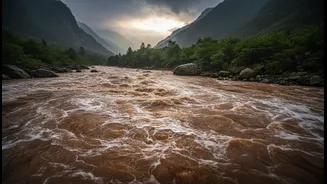
River and stream crossings are particularly dangerous during the monsoon due to high water levels and strong currents. Assess the crossing carefully. If the water is fast-flowing or murky, do not attempt to cross. It's always better to turn back or find a safer alternative route. Be aware of your surroundings and stay alert for any signs of landslides, like falling rocks or freshly exposed soil on a hillside.
Be Your Own First Responder: The Essential Medical Kit
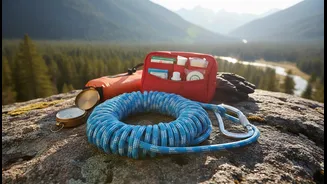
Even on a short trek, a well-stocked first-aid kit is non-negotiable. While trek operators often carry a group kit, being self-sufficient for minor injuries is crucial. Your personal kit should be tailored for trekking and include items for common issues like blisters, cuts, sprains, and insect bites.
Essential items include:
* Antiseptic wipes and antibacterial ointment to clean and protect wounds.
* Adhesive bandages in various sizes, sterile gauze pads, and medical tape.
* A blister treatment kit with moleskin or blister plasters.
* An elastic bandage for sprains.
* Pain relief medication like ibuprofen or paracetamol.
* Antihistamines for allergic reactions.
* Insect repellent and a cream for bites.
* Oral Rehydration Salts (ORS) to combat dehydration.
* Any personal medications you require.