

The End of the Checklist Holiday
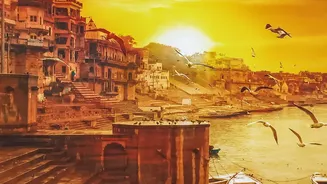
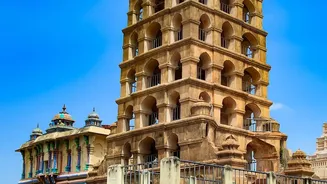
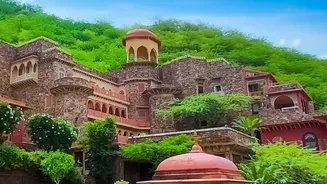
For decades, a successful holiday was often measured by the number of landmarks ticked off a list. From the Taj Mahal to the Gateway of India, travel was a whirlwind tour of famous sights. But a quiet rebellion is underway. Modern travellers are increasingly
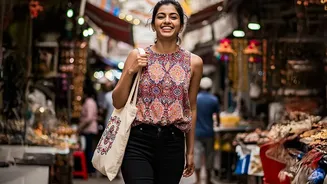
reporting a sense of 'tourism fatigue'—the feeling that they are merely observers rushing through a destination. This passive consumption is losing its appeal. People are returning from trips feeling exhausted from tight schedules and endless queues, realising they've seen everything but felt very little. This has sparked a fundamental shift from asking "What should I see?" to "What can I do?". The new aspiration is to connect with a place on a deeper level, moving beyond the surface-level postcard view.
The Rise of the Experience Economy
This trend is part of a broader cultural movement that prioritises experiences over possessions. Particularly for younger generations like Millennials and Gen Z, creating memories is the new currency. This mindset has reshaped the Indian travel market, which is projected to see its experiential travel sector grow significantly. Driven by rising incomes and a desire for more meaningful pursuits, travellers are seeking out adventures that offer personal growth and a compelling story to tell. Social media also plays a huge role; platforms like Instagram have shifted the focus from classic landmarks to unique, 'Instagrammable' moments that showcase active participation, from learning a local craft to conquering a challenging trek.
From Looking to Doing: Adventure and Skills
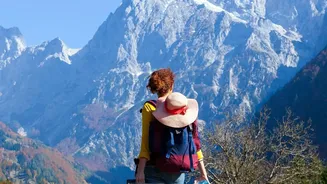
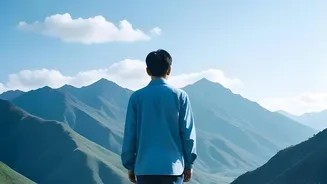
Instead of just admiring a mountain range from a viewpoint, today's holidaymaker wants to trek through it. Adventure tourism in India is booming as people seek the thrill of participation. This includes everything from white-water rafting in Rishikesh and scuba diving in the Andamans to paragliding in Himachal Pradesh. But adventure isn't just about adrenaline. It's also about acquiring new skills. Travellers are signing up for pottery workshops in Rajasthan, learning traditional cooking techniques in Kerala, or taking part in photography tours in Ladakh. These hands-on activities offer a sense of accomplishment and a tangible connection to the local culture that a simple tour cannot provide.
The Search for Inner and Outer Wellness
Another major driver of this change is the growing focus on health and well-being. Wellness tourism in India is surging, moving far beyond a simple spa day. Travellers are dedicating their holidays to rejuvenation of the mind, body, and soul. This has led to a boom in yoga retreats in places like Rishikesh and Mysore, Ayurvedic healing centres in Kerala, and meditation camps across the country. These wellness journeys are not about escaping life, but about enhancing it. People are actively investing in holistic programmes, seeking everything from mindful food menus to traditional therapies, seeing their holiday time as a chance to reset and return home genuinely restored.
Connecting Through Cuisine and Community
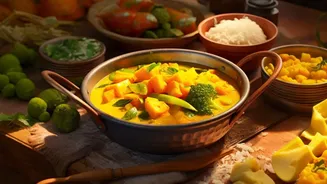
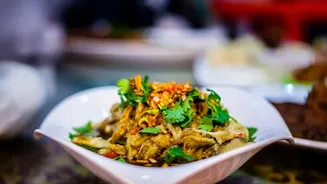
Food has become a primary reason for travel, with a large majority of travellers now choosing destinations based on their culinary offerings. Culinary tourism is about more than just eating at nice restaurants; it's about understanding a culture through its food. This has spurred the popularity of guided street food walks in Delhi, spice plantation tours in Goa, and farm-to-table experiences where travellers help harvest ingredients for their own meals. Similarly, community-based tourism is on the rise. Staying in a local homestay, volunteering on a farm, or interacting with village artisans offers an authenticity that large hotels cannot replicate. These experiences foster genuine human connection, turning a simple trip into a memorable cultural exchange.