




Moving Beyond the Obvious
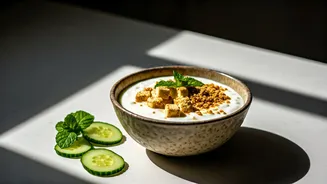
For generations, the Indian summer survival kit has been straightforward: cooling drinks like aam panna and chaas, endless servings of cucumber and raita, and light, soupy dals. While these classics are timeless for a reason, the modern Indian plate is
evolving. The new approach isn’t about abandoning tradition but enhancing it. ‘Lighter’ no longer just means less oil; it means nutrient-dense foods that don’t weigh you down. ‘Smarter’ means making intelligent choices about ingredients and cooking methods that actively help your body cope with the heat, improve digestion, and maintain energy levels without the post-meal slump.
The Return of Smart Grains
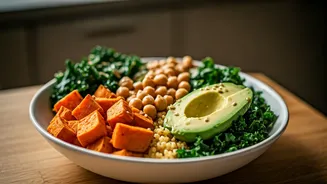
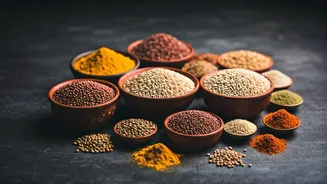
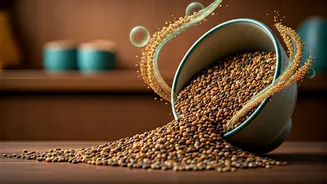
One of the biggest shifts is the move away from a diet dominated by wheat and refined white rice. Ancient grains, once considered humble rural fare, are now staples in urban, health-conscious kitchens. Millets like jowar (sorghum), bajra (pearl millet), and ragi (finger millet) are having a major moment. Naturally cooling and gluten-free, they are being transformed into everything from rotis and dosas to refreshing summer salads and porridges. A light jowar khichdi, packed with seasonal vegetables like bottle gourd (lauki) and ridge gourd (tori), is far more digestible and less heat-inducing than its rice-based counterpart. These grains provide sustained energy and are rich in fibre, which aids digestion—a system that often becomes sluggish in the heat.
Rethinking Cooking Techniques
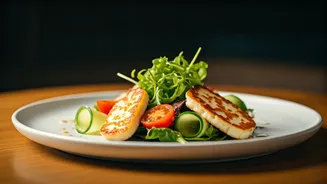
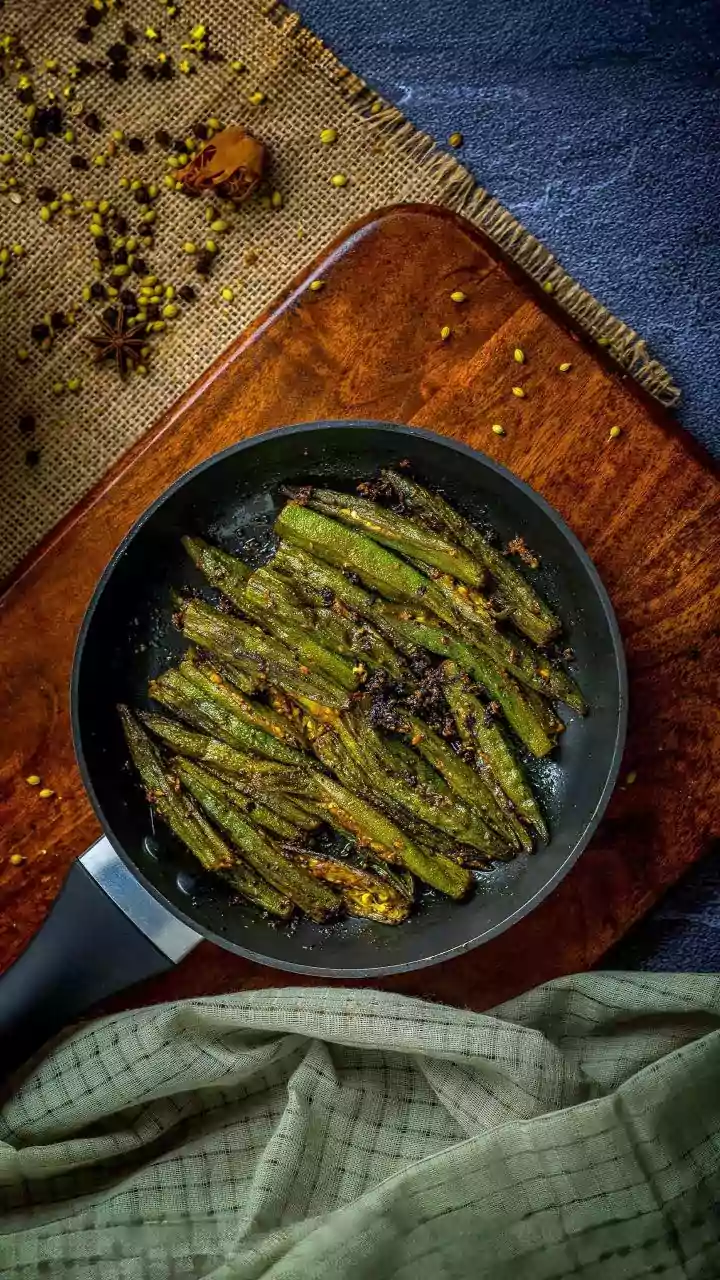
A ‘smarter’ summer plate is often defined by how it’s cooked. The era of heavy, slow-cooked kormas and deep-fried everything is taking a backseat during the hotter months. Instead, chefs and home cooks are embracing techniques that preserve nutrients and minimise added fats. Grilling, steaming, and stir-frying are becoming go-to methods. Think grilled paneer or chicken marinated in yogurt and light spices instead of a heavy cream-based tikka. Consider steamed fish with a delicate lemon-coriander dressing or a colourful stir-fry of bell peppers, zucchini, and baby corn. Even curries are getting a makeover, with a focus on light, water-based or coconut-water-based broths (like a Goan udon) and tangy rasams instead of thick, onion-tomato masalas.
Hydration From Your Plate
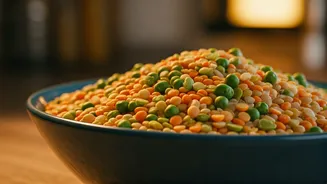
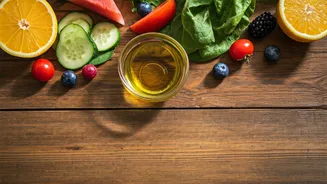
Drinking water is crucial, but a smart summer diet incorporates hydration into the meals themselves. It’s about eating your water. This means loading up on high-water-content vegetables and fruits. Cucumbers, tomatoes, gourds, and leafy greens are being used more creatively than ever. A watermelon and feta salad with a sprinkle of chaat masala is a perfect example—it’s hydrating, savoury, and sweet. Raw mango, a summer superstar, is being used not just in pickles and panna but also in light, tangy lentil dishes (kacchi kairi dal) and refreshing pachadis. These dishes provide essential electrolytes and vitamins that are lost through sweat, helping you stay refreshed from the inside out.
Simple Swaps for Everyday Meals
Embracing this trend doesn’t require a complete overhaul of your kitchen. It’s about making small, intelligent swaps. Instead of a creamy salad dressing, use a simple vinaigrette made with lemon juice, olive oil, and a touch of honey. Replace potato-based snacks with those made from sweet potato or raw banana, which are less starchy. Choose yogurt-based marinades and dips over those made with mayonnaise or cream. Opt for light, broken-wheat (daliya) upma for breakfast instead of parathas. These simple changes add up, resulting in meals that are not only lighter on the stomach but also smarter for your overall well-being during the challenging Indian summer.