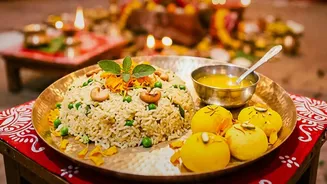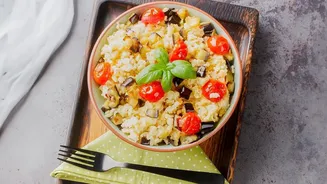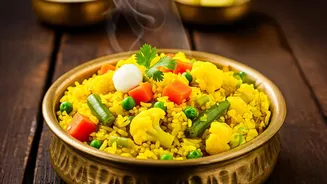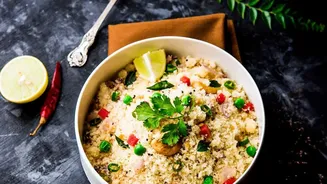

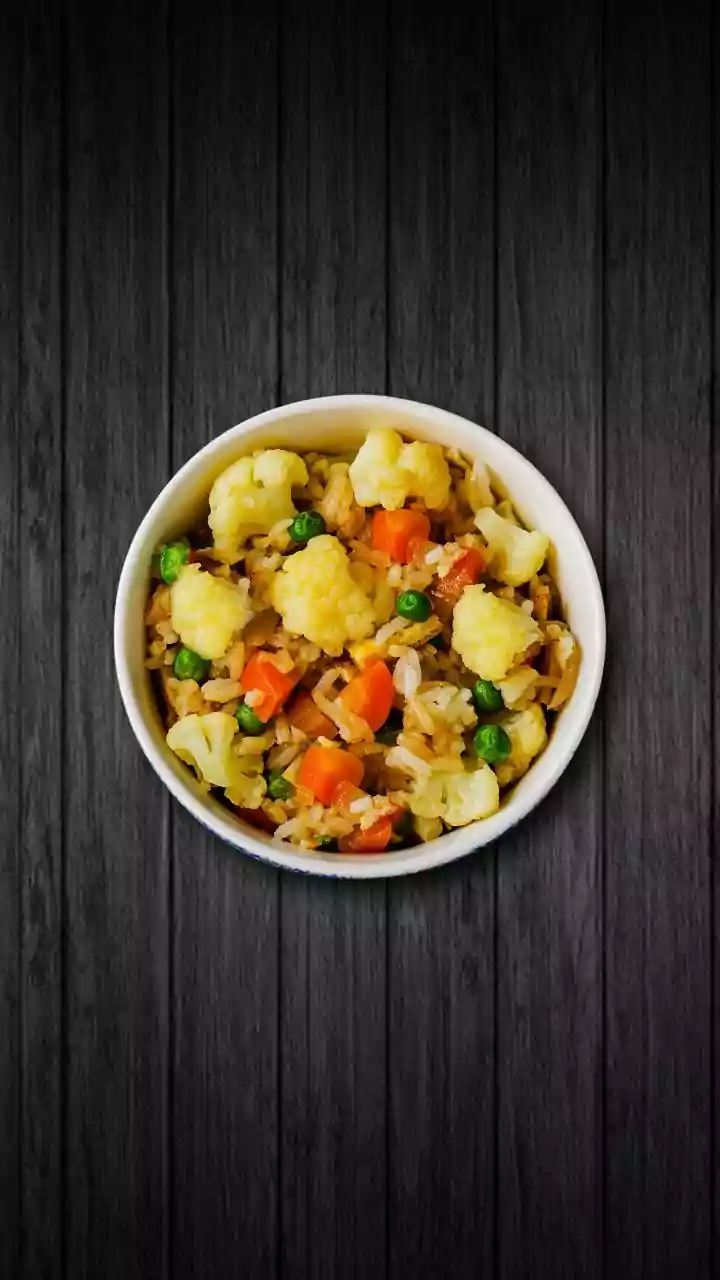
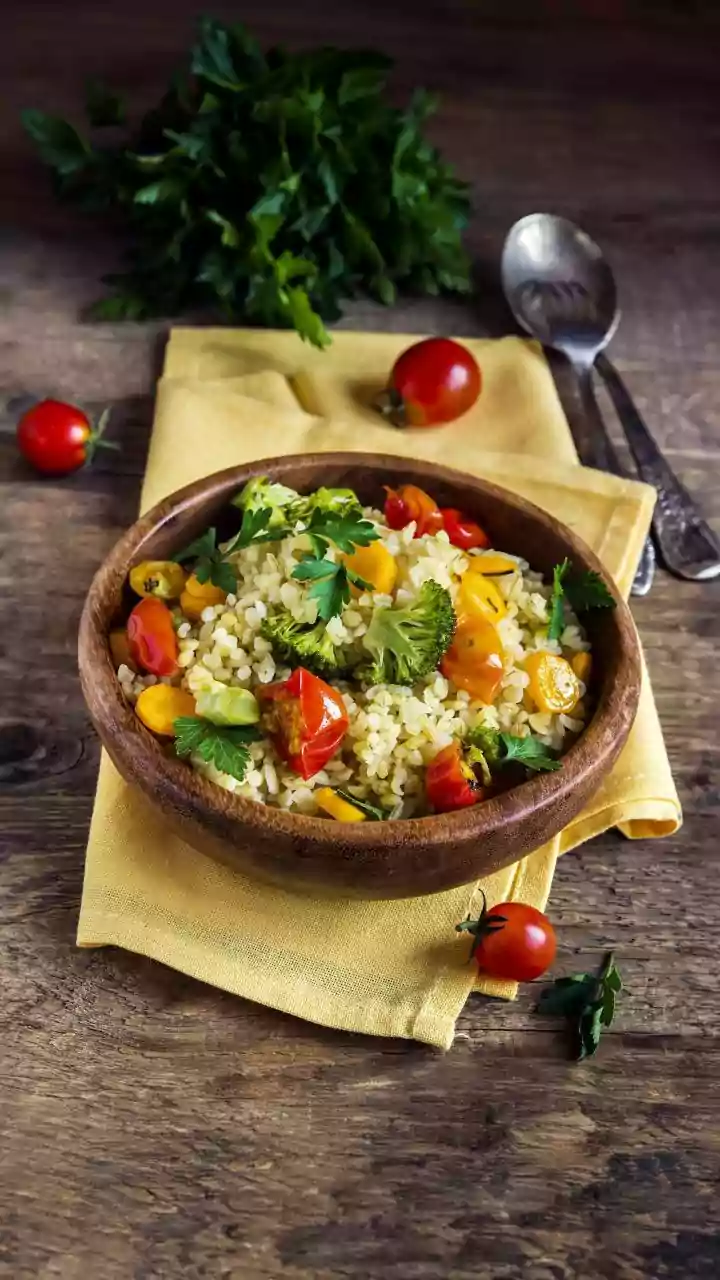

Millet vegetable pulao is a delicious, healthy alternative to its rice-based counterpart. Yet, many home cooks are deterred by a common problem: mushy or unevenly cooked grains. The secret to a perfect, fluffy pulao lies not in a complex recipe, but in understanding
why the basic preparation steps are non-negotiable.
Why Soaking is a Crucial First Step
Skipping the soaking process is a frequent mistake that leads to disappointing results. Millets contain anti-nutrients like phytic acid, which can hinder the body's ability to absorb essential minerals like iron and zinc. Soaking for at least 30 minutes to a few hours helps break down these compounds, making the nutrients more accessible. Beyond nutrition, soaking has a profound impact on texture. It softens the grain's tough outer layer, allowing it to cook more evenly and preventing that undesirable mix of hard and soft grains in the final dish. This step also helps reduce any potential bitterness and shortens the overall cooking time.
The Art of the Correct Water Ratio
The single most common reason for a sticky, mushy pulao is using the wrong amount of water. Unlike rice, millets are not a 'one-size-fits-all' grain; different varieties have different absorption rates. For pulao, where separate, fluffy grains are desired, a general rule for smaller millets like foxtail is a 1:2 ratio (1 cup of millet to 2 cups of water). Using too much water will result in a soupy or porridge-like consistency. It is always best to start with the recommended ratio and remember that soaked millets often require slightly less water than unsoaked ones. For a pressure cooker, this ratio generally holds true, creating steam that cooks the grains perfectly without needing excess liquid.
Building Flavour from the Ground Up
A memorable pulao is built on layers of flavour, starting with the tempering of spices. Heating ghee or oil and allowing whole spices like cinnamon, cloves, and bay leaves to bloom releases their aromatic oils, creating a fragrant foundation. Sautéing onions until they are soft and translucent, followed by ginger-garlic paste, adds a deep, savoury base. A common technique to enhance texture and taste is to lightly toast the drained millet in the spiced oil for a minute before adding water. This step coats each grain, helping to keep them separate during cooking and infusing them with a nutty aroma.
Cooking with Patience: Low Heat and Rest
Rushing the cooking process is another pitfall. Cooking millet pulao on high heat can cause the bottom to burn while the top remains undercooked due to rapid water evaporation. The best method is to bring the water to a boil, add the millet, and then reduce the flame to a low simmer, covering the pot tightly. This gentle, even heat allows the grains to absorb the liquid steadily. Whether using a pressure cooker (typically for two whistles on a medium flame) or an open pot, what happens after the flame is turned off is just as important. Letting the pulao rest, covered, for at least 5–10 minutes is essential. This allows the residual steam to do its work, ensuring the grains are uniformly cooked, firm, and easy to fluff with a fork.