








What Are Microplastics?
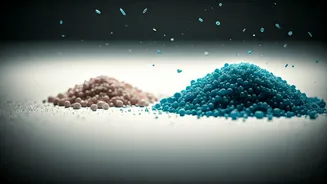
Microplastics are tiny plastic fragments less than five millimetres long. They come from two main sources. Primary microplastics are manufactured intentionally, like the microbeads once common in personal care products. Secondary microplastics are the result
of larger plastic items—like bottles, bags, and synthetic clothing—breaking down over time from exposure to sun and water. Because they are so small and durable, they have contaminated virtually every corner of the globe, from the deepest oceans to our own kitchens. They are now present in our air, water, and food supply.
Hiding in Plain Sight: The Indian Context
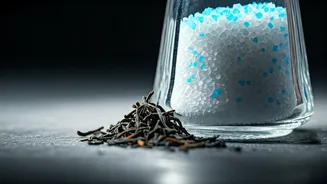
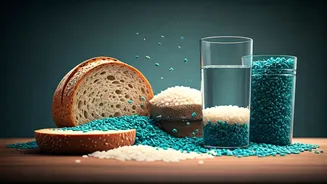
Recent studies have raised alarms about the presence of microplastics in common Indian staples. Research has shown that various brands of salt and sugar sold in India contain these particles. One study by environmental organisation Toxics Link found microplastics in all tested salt and sugar samples, with iodised table salt showing some of the highest concentrations. Bottled water is another significant source, often containing far more particles than tap water. They've also been found in seafood and even some fruits and vegetables, which can absorb them from contaminated soil and water. Recognizing the scale of the issue, India's food safety authority, FSSAI, has initiated a project to better understand the extent of contamination and formulate safety standards.
Should You Be Worried About Health Risks?
The science on the direct health effects of ingesting microplastics is still evolving, but early findings are a cause for concern. These particles have been detected throughout the human body, including in blood, lungs, and even the brain. Researchers are investigating potential links to inflammation, cellular damage, and disruption of the gut microbiome. Furthermore, microplastics can act like tiny sponges, absorbing harmful chemicals like pesticides and heavy metals from the environment and potentially releasing them into our bodies upon ingestion. Some studies have shown associations between microplastic exposure and an increased risk of heart attack, stroke, and other serious conditions. While more research is needed, taking a precautionary approach to minimize exposure is a sensible step.
In the Kitchen: Simple Swaps for a Safer Home
Your kitchen is the best place to start reducing microplastic exposure. Never microwave food in plastic containers, as heat can cause millions of particles to leach into your food. Transfer leftovers to glass, ceramic, or stainless steel containers for both storage and heating. Swap plastic cutting boards, which shed particles into food during chopping, for wooden or bamboo alternatives. The same goes for utensils—opt for wood, bamboo, or stainless steel over plastic. Filtering your drinking water can also help; some technologies, like reverse osmosis, are effective at removing microplastics.
At the Market: Making Smarter Choices
Conscious consumerism can significantly lower your family’s intake. Since bottled water is a major source of microplastics, carry a reusable stainless steel or glass bottle and fill it with filtered tap water instead. Whenever possible, choose fresh, unpackaged foods over those wrapped in plastic. Bring your own reusable bags for both groceries and produce. Pay attention to clothing labels as well. Synthetic fabrics like polyester and nylon shed thousands of plastic microfibers in the wash. Opt for natural fibres such as cotton, wool, or linen when you can.
Beyond Personal Habits
While individual actions are crucial for personal protection, they are only part of the solution. The widespread presence of microplastics is a systemic issue that requires action from corporations and governments. Supporting policies aimed at reducing single-use plastics, improving waste management, and holding producers responsible are important steps. The government of India has taken some measures, such as the Plastic Waste Management Amendment Rules, but continued public awareness and pressure are needed to drive comprehensive change. By making informed choices, you not only protect your health but also send a powerful message that contributes to a larger shift away from our reliance on plastic.