



Meet Moringa: The Not-So-Secret Superfood
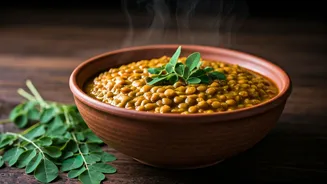
Chances are, you already know moringa, even if you don't call it that. Known as ‘sahjan’ in Hindi, ‘shevga’ in Marathi, or simply the drumstick tree, Moringa oleifera has been a part of Indian cuisine and traditional medicine for centuries. While the drumsticks
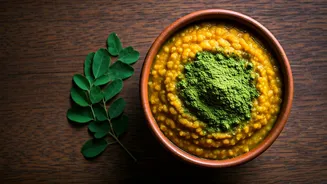
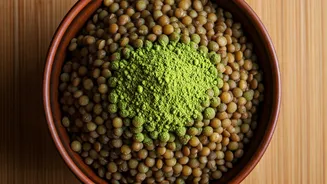
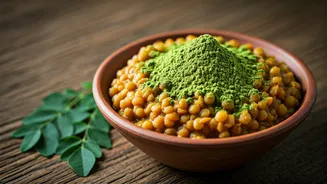
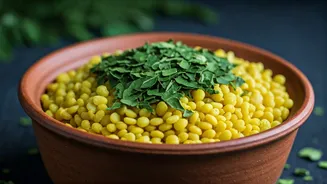
themselves are a star ingredient in dishes like sambar, the leaves are where the real nutritional magic happens. Now available as convenient dried flakes or powder, moringa leaves offer a simple way to fortify our meals without much fuss. Think of it as a traditional secret finally getting the modern superfood recognition it deserves.
A Nutritional Powerhouse in a Pinch
So what’s all the hype about? Moringa leaves are packed with an impressive array of nutrients. They are a rich source of vitamins, particularly Vitamin A, Vitamin C, and Vitamin B6. On the mineral front, they deliver a solid dose of iron, magnesium, and potassium. What’s more, moringa is a rare plant-based source of complete protein, containing all nine essential amino acids. This makes it an excellent supplement for vegetarians and vegans looking to round out their protein intake. Adding a spoonful to your dal is like taking a multivitamin, but in a much more delicious and natural form.
Why Moringa and Lentils Are a Perfect Match
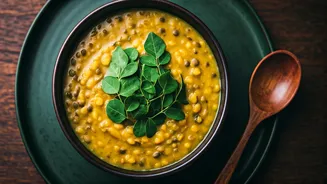
Lentil stews, whether it’s a simple tadka dal, a creamy dal makhani, or a tangy sambar, provide the perfect canvas for moringa. The earthy, slightly grassy flavour of moringa flakes blends seamlessly into the complex, savoury notes of cooked lentils and spices. Unlike some health supplements that can have an overpowering taste, moringa is subtle. When mixed into a flavourful stew, it enhances the depth rather than competing with it. Furthermore, the fine texture of the flakes or powder dissolves easily, meaning you won’t have to contend with any strange grittiness. It’s a quiet contributor that works behind the scenes to make your meal better for you.
The Golden Rule: When and How to Add It
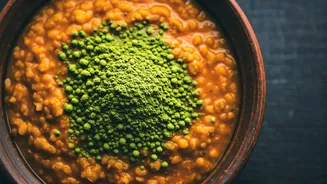
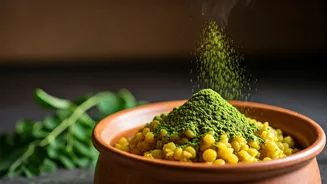
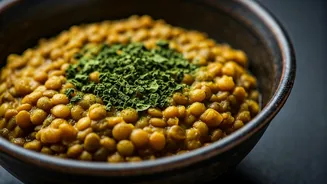
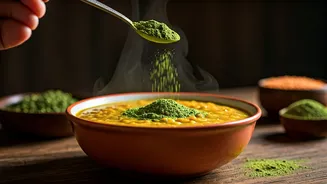
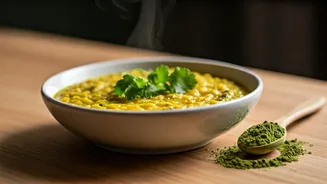
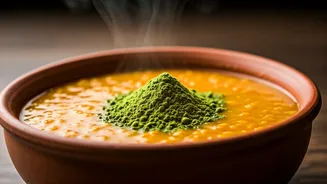
This is the most important step to get right. To preserve the delicate nutrients in moringa, especially Vitamin C, you should avoid cooking it for long periods at high heat. The best way to use moringa flakes or powder is to add them at the very end of the cooking process. Once your dal or lentil stew is fully cooked and you’ve turned off the heat, simply stir in the moringa. Allow the residual heat to gently incorporate it into the stew for a minute or two before serving. As for quantity, start small. A teaspoon or two for a pot of dal serving four people is a good starting point. You can gradually increase the amount as you get used to the flavour.
A Simple Method for Moringa-Infused Dal
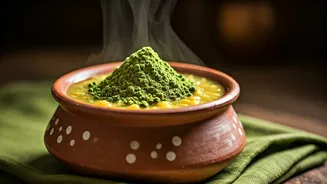
You don’t need a new recipe, just a new final step. Here’s how to incorporate it into your favourite dal: 1. **Prepare Your Dal:** Cook any dal of your choice (like toor, masoor, or moong) just the way you like it. Whether you pressure cook it or simmer it on the stove, follow your usual method. 2. **Add Your Tadka:** Prepare your tempering of spices like cumin, mustard seeds, garlic, and chillies in ghee or oil and pour it over the cooked dal. 3. **The Moringa Moment:** Turn off the flame. Now, add 1-2 teaspoons of moringa leaf flakes or powder directly into the pot. 4. **Stir and Rest:** Give it a good stir to ensure it's evenly distributed. Cover the pot and let it rest for 2-3 minutes. This allows the moringa to meld with the dal without being exposed to harsh, direct heat. 5. **Serve Hot:** Serve your nutritionally supercharged dal with rice or roti.