





The New Recruits: Serums, Actives, and Essences
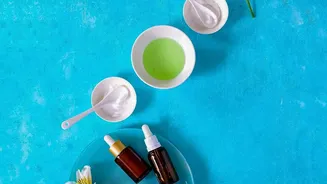
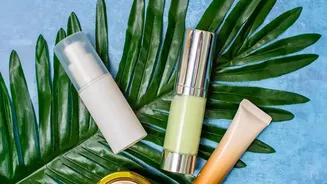
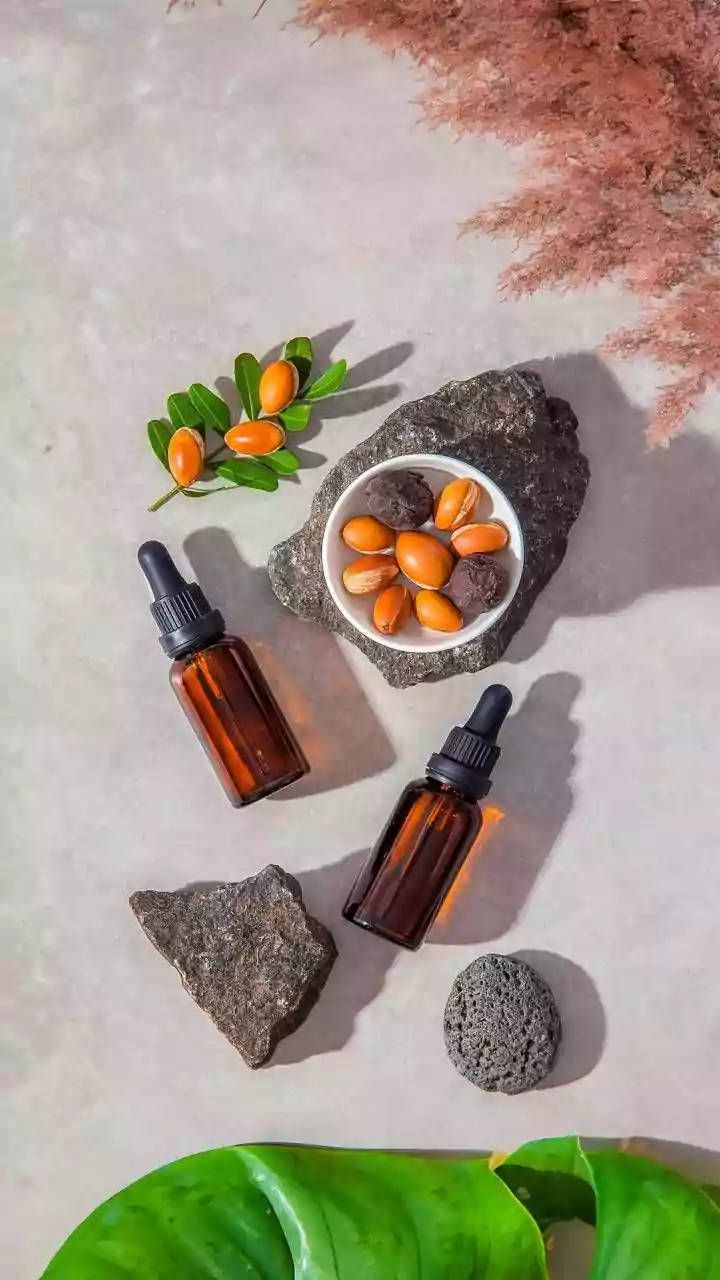
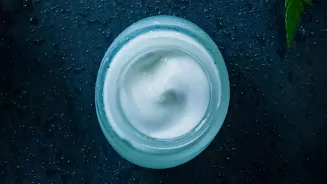
The most significant change in Indian skincare is the arrival of a new, powerful squad: serums and actives. Once considered niche, these products are now mainstream. Unlike traditional creams that primarily moisturise, serums are lightweight formulations
packed with concentrated 'active' ingredients like Vitamin C, niacinamide, and hyaluronic acid. Each is designed to target specific concerns, from pigmentation and acne to fine lines and dehydration. Inspired partly by the multi-step Korean beauty wave, which introduced concepts like 'glass skin', Indian consumers are embracing the idea of layering products to achieve long-term skin health rather than just temporary fixes.
The Power of the 'Skin-tellectual'
So, what’s driving this change? A huge factor is the rise of the informed consumer, or the 'skin-tellectual'. Thanks to social media, particularly Instagram and YouTube, knowledge that was once confined to dermatologists' clinics is now available to everyone. Beauty creators and 'skinfluencers' break down complex ingredients and review products, empowering consumers to understand what they are putting on their skin. People are no longer just buying a product; they are buying an ingredient. This has forced brands to be more transparent and has paved the way for science-backed, direct-to-consumer (D2C) brands to thrive by speaking this new, ingredient-focused language.
The 'Skinification' of Everything
This focus on targeted, ingredient-led care is expanding beyond the face. The latest trend is the 'skinification' of hair and body care, applying the same principles of skincare to the rest of the body. Consumers now recognise that a healthy scalp is the foundation for healthy hair. This has led to a boom in new product categories like scalp exfoliating scrubs, pre-wash treatments, scalp serums, and barrier-repairing hair masks. Similarly, body care is no longer just about lotion. The market is seeing a surge in body serums, exfoliating washes, and treatments for concerns like body acne and pigmentation, proving that Indian routines are becoming more holistic.
Global Trends, Indian Needs
While global trends like K-beauty have been hugely influential, their adoption in India isn't a simple copy-paste. These trends are being adapted to suit Indian realities. For instance, the Korean 10-step routine has been streamlined, but its core philosophy of layering hydrating products has stuck. Brands are formulating products that address common Indian concerns like hyperpigmentation, the effects of pollution, and damage from hard water. There's also a growing fusion of modern science with traditional Ayurvedic wisdom, where clinical actives like peptides are combined with trusted ingredients like amla and bhringraj. This blend of global innovation and local relevance is creating a unique, modern Indian beauty identity.