

A New Chapter in Spice
For years, 'spicy' in many Indian restaurants meant a familiar rotation of red and green chillies. But a culinary shift is underway. Chefs and food entrepreneurs are now looking towards the Northeast, a region with a rich and distinct culinary heritage.
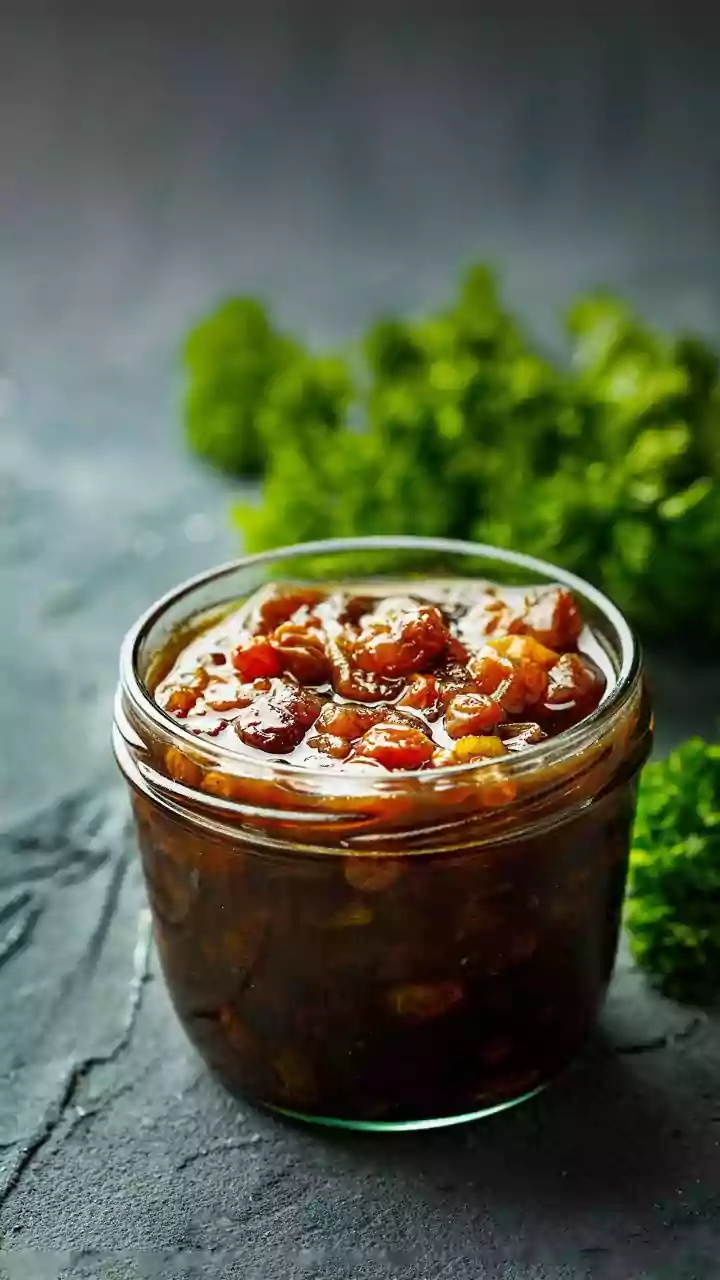
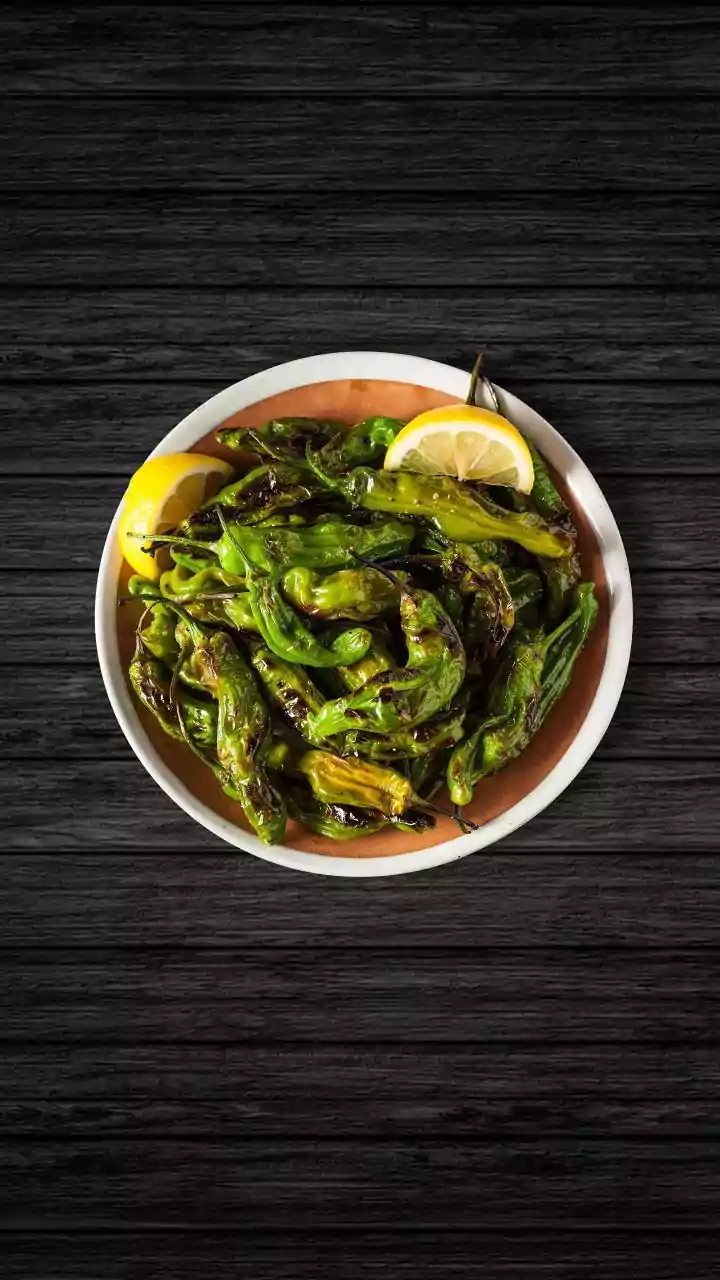
Leading this charge is the Bhut Jolokia, or ghost pepper, once famous globally as the world's hottest chilli. Native to states like Assam, Nagaland, and Manipur, this pepper is more than just a novelty. In its homeland, it's a staple used thoughtfully in curries, pickles, and chutneys to add not just heat, but a unique smoky and slightly fruity flavour. Urban cafes are now harnessing this complexity, moving beyond heat challenges to create balanced dishes where the ghost pepper shines without overwhelming.
The Funk and Flavour of Fermentation
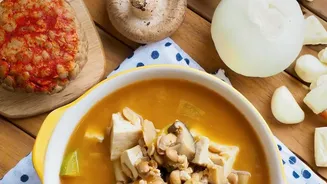
Alongside the Bhut Jolokia, a host of fermented ingredients are making their mark, introducing a new spectrum of taste—umami, funk, and pungency. Perhaps the most well-known is Axone (pronounced 'Akhuni'), a fermented soybean product integral to Naga cuisine. Made by boiling, mashing, and fermenting soybeans for days, Axone develops a powerful aroma and a deep, savoury taste. Traditionally used in stews with smoked pork or vegetables, it's now finding its way into modern kitchens. But the world of Northeastern fermentation extends further, including Tungrymbai from Meghalaya (fermented soybeans with pork and black sesame), and Khorisa from Assam (fermented bamboo shoot), each offering a distinct flavour profile that chefs are eagerly exploring.
From Home Kitchens to City Plates
The journey of these ingredients from regional homes to trendy urban eateries is driven by a new generation of chefs and entrepreneurs from the Northeast. Pioneers like Chef Aketoli Zhimomi and Chef Joel Basumatari have been instrumental in championing their culinary heritage on a national stage through pop-ups, food festivals, and restaurants. They are breaking down misconceptions—for instance, that Naga food is only about spice and meat—and showcasing the incredible diversity of vegetarian dishes, herbs, and cooking techniques like smoking and steaming. By proudly placing ingredients like Axone and locally sourced herbs on their menus, they are not just serving food; they are sharing a cultural story and fostering a deeper connection to their roots.
Tasting the Trend: What's on the Menu?
So how do these bold ingredients translate onto a cafe menu? The creativity is boundless. You might find a dip served with fries that has a subtle, smoky kick from Bhut Jolokia, or a fiery hot sauce offered alongside a burger. Some chefs are infusing oils with the pepper to drizzle over pizzas or incorporating it into marinades for grilled meats. Fermented pastes are being used to create deeply savoury broths for noodle bowls, adding an umami depth that's hard to replicate. Think of a comforting chicken stew enriched with the tangy notes of fermented bamboo shoot (Khorisa) or a modern take on a pork salad (Dohkhlieh) served on crostinis. These dishes are an invitation to experience familiar formats with entirely new and exciting flavour dimensions.