






Master the 20-Second Handwash
Your hands are the primary tools in the kitchen, but they can also be the biggest culprits in spreading germs. Inadequate handwashing is a major factor in foodborne illness. The first rule of food safety is to wash your hands thoroughly. This means lathering
with soap and water for at least 20 seconds before, during, and after handling food. Pay special attention to the backs of your hands, between your fingers, and under your nails. It's especially critical to wash your hands after touching raw meat, poultry, seafood, or eggs, as well as after using the bathroom, handling pets, or taking out the garbage. A recent post by the Food Safety and Standards Authority of India (FSSAI) also highlights kitchen hygiene as a key practice for staying safe, especially during humid seasons when bacteria thrive.
Clean, Then Sanitise Surfaces
Simply wiping down a counter isn't enough to eliminate harmful bacteria. There’s a two-step process that is far more effective: cleaning and then sanitising. Cleaning with hot, soapy water removes physical dirt, grime, and some bacteria from surfaces like countertops, cutting boards, and sinks. However, it doesn't kill all the germs. Sanitising is what kills the remaining bacteria. You can create a simple sanitising solution by mixing one tablespoon of liquid chlorine bleach with a gallon of water. After cleaning, apply this solution to surfaces, let it stand for several minutes, then rinse and air dry or pat dry with a clean paper towel. Remember that bacteria like Salmonella can survive on surfaces for up to 32 hours, making this second step essential for a truly clean kitchen.
Prevent Cross-Contamination
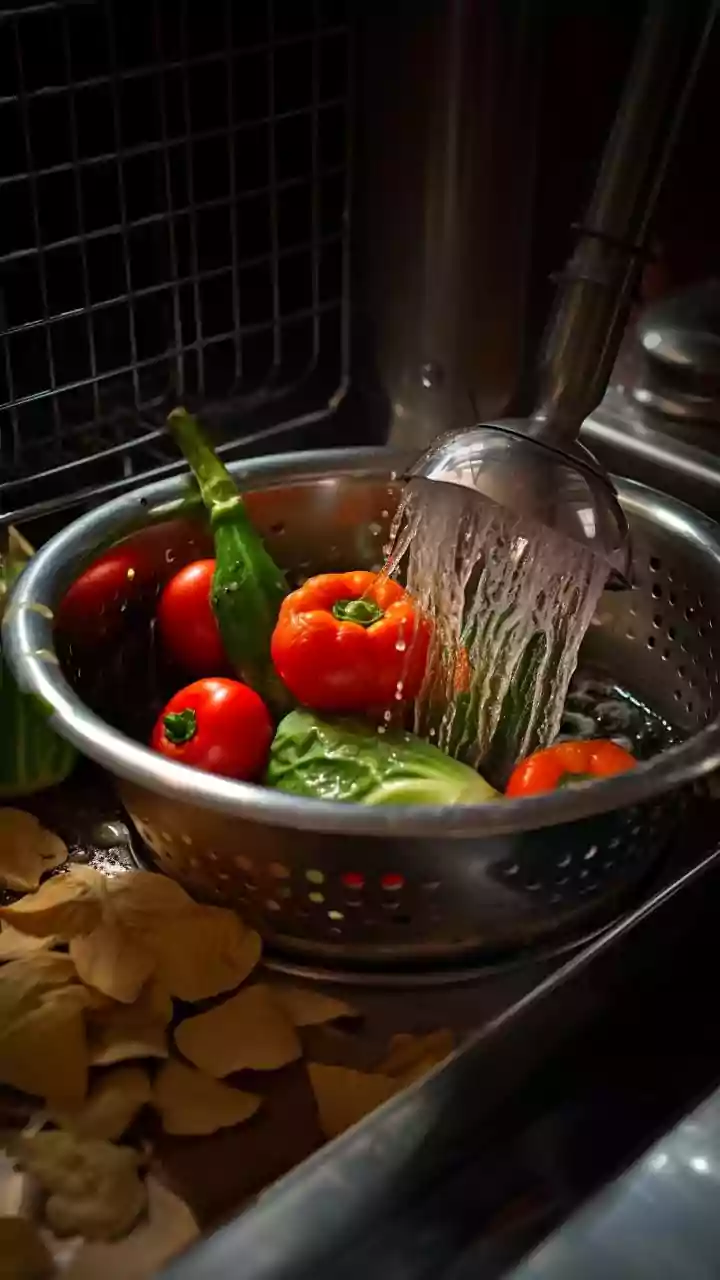
Cross-contamination is how harmful bacteria spread from one food product to another, often from raw to ready-to-eat foods. To prevent this, use separate cutting boards—one for raw meat, poultry, and seafood, and another for fresh produce like fruits and vegetables. After preparing raw meats, it is vital to wash the cutting board, knife, and countertops with hot, soapy water before using them for anything else. Even in your shopping cart and grocery bags, keep raw meats physically separate from other foods, preferably by placing them in plastic bags to prevent juices from dripping. This simple separation is one of the most effective ways to prevent the spread of germs.
Smart and Safe Food Storage
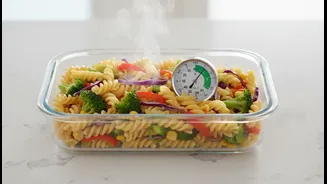
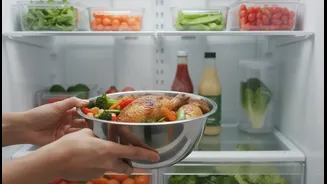
Proper storage is just as important as clean hands and surfaces. Your refrigerator should be kept at or below 40°F (4°C), and your freezer at 0°F (-18°C) to slow bacterial growth. One of the most critical storage rules is to keep raw meat, poultry, and seafood in sealed containers or plastic bags on the bottom shelf of the refrigerator. This prevents their juices from dripping onto and contaminating other foods below. Perishable foods should never be left at room temperature for more than two hours—or one hour if the outside temperature is above 90°F. Always follow the "first in, first out" principle, using older items before new ones to ensure freshness and reduce waste.