




Understanding the 'K': What Karat Really Means
Before comparing 22K and 24K, it's essential to understand what 'karat' (K) signifies. Karat is the unit used to measure the purity of gold on a scale of 0 to 24. The higher the karat number, the greater the amount of pure gold in the metal. For instance,
24K gold is considered the purest form you can buy, while lower karats contain a mix of other metals, known as alloys. This system is crucial because it directly impacts the gold's properties, price, and ideal use. In India, the Bureau of Indian Standards (BIS) uses a hallmarking system to certify this purity, giving consumers confidence in their purchase.
The Case for 24K Gold: The Purest Choice
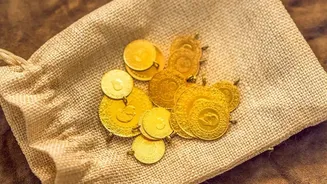
24K gold is 99.9% pure gold, with no other metals mixed in. This makes it the most valuable and expensive form of gold per gram. Its appearance is a distinct, bright, and vibrant yellow. However, this purity comes with a significant drawback: softness. 24K gold is extremely malleable, meaning it can bend, scratch, and dent with relative ease. Because of this, it is not suitable for crafting everyday jewelry, especially intricate designs that need to hold their shape. Instead, its primary role is for investment. 24K gold is most commonly found in the form of gold bars, coins, and bullion, prized by investors for its high intrinsic value and direct correlation with market prices.
The Practicality of 22K Gold: The Durable All-Rounder
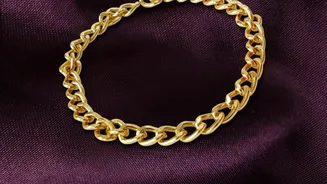
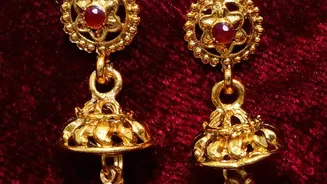
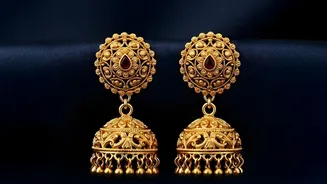
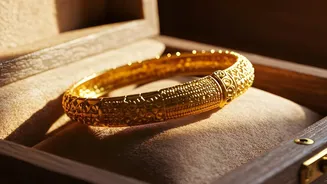
22K gold consists of 22 parts gold and 2 parts other metals, meaning it has a purity of 91.67%. This is why it is often referred to as '916 gold'. The other 8.33% is a mix of alloys like copper, silver, or zinc, which are added to enhance its strength and durability. This blend makes 22K gold much harder and more resilient to daily wear and tear compared to its 24K counterpart. While still possessing a rich golden hue, it's strong enough to be fashioned into detailed jewelry pieces like bangles, necklaces, and earrings that can be worn regularly without easily getting damaged. For this reason, 22K is the most preferred purity for traditional and bridal jewelry in India.
For Pure Investment: 24K Is King
If your primary financial goal is wealth preservation and long-term investment, 24K gold is the undisputed winner. When you buy gold as an asset, you want the highest concentration of the precious metal itself. Since 24K gold is pure, its value is directly tied to the spot price of gold on the market, making it a more straightforward investment. It's more liquid in global markets and easier to sell as bullion. While 22K gold also has a strong resale value, jewelry made from it includes making charges, which are non-refundable and can lower your net return upon selling. For a direct, unadulterated investment in gold, bars and coins of 24K purity are the standard.
For Jewelry and Wearable Assets: 22K Shines
When the goal is to buy gold that you can wear and enjoy, 22K is the more practical and logical choice. Its superior durability means that your rings won't easily bend out of shape and your necklaces can withstand the rigors of regular use. The alloys protect the intricate craftsmanship that often defines Indian jewelry. While 24K gold is used for some ceremonial pieces, it's generally too delicate for an item you want to wear often. Therefore, 22K gold offers the best of both worlds for jewelry lovers: a high purity level that retains significant investment value, combined with the strength needed for lasting adornment. It’s an investment you can wear.