



Beyond the Bare Essentials
The classic minimalist movement, born from mid-20th century art and architecture, was a reaction against excess. Its motto, “less is more,” championed clean lines, functional purpose, and the removal of all unnecessary ornamentation. The result was often
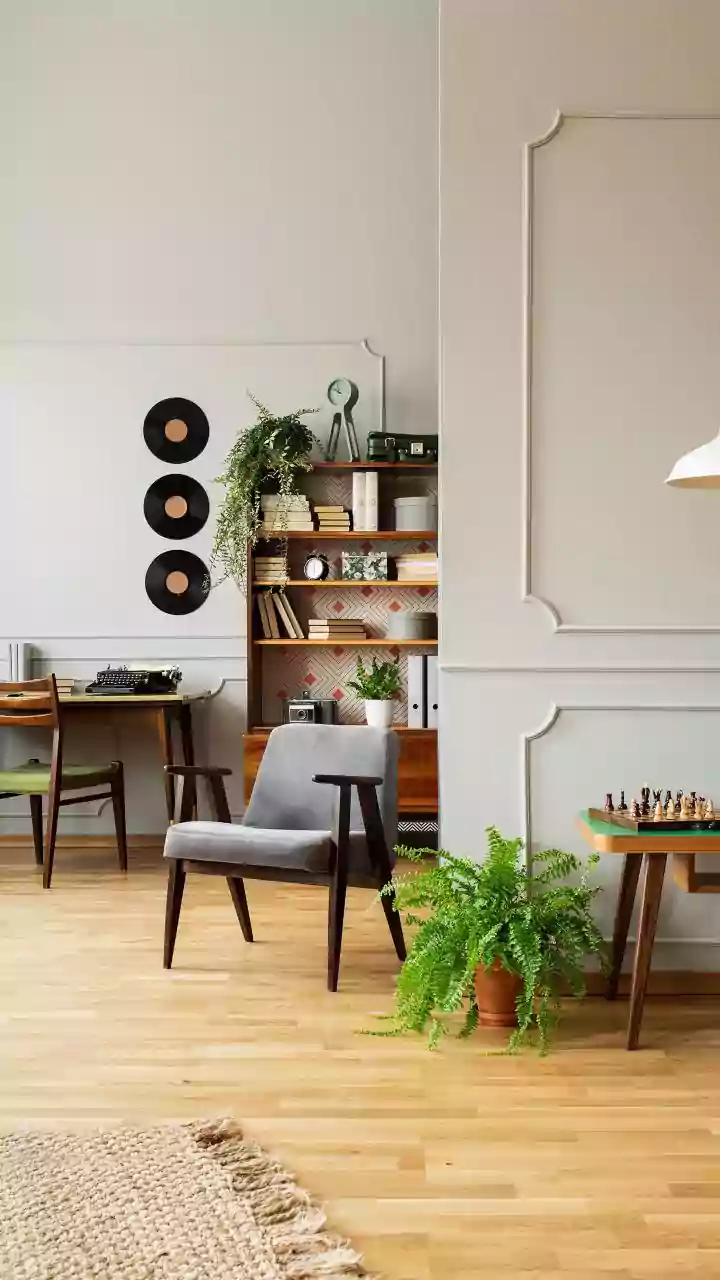
visually stunning but could feel more like a gallery than a home. This stark approach left little room for the delightful messiness of life—the souvenirs from a favourite trip, the worn armchair passed down through generations, or the simple joy of a plush, comfortable sofa. Many found that while they craved less clutter, they didn't want to sacrifice personality and warmth in the process. The movement is now shifting away from rigid austerity toward something more attainable and emotionally resonant.
Warm Minimalism: A Softer Approach
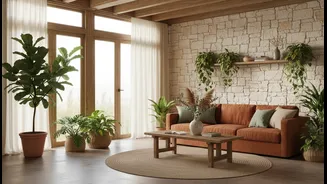
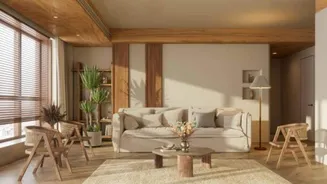
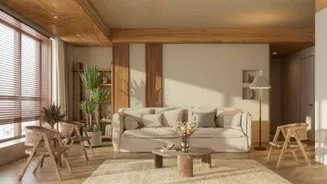
Enter warm minimalism, a style that keeps the core principles of simplicity and intention but layers in comfort and character. It’s the cozy, refined evolution of its predecessor, blending uncluttered spaces with a focus on creating a serene and welcoming atmosphere. Instead of cool, industrial vibes, this approach introduces natural materials like wood, stone, and linen. The goal is still to strip away the non-essential, but with a newfound respect for what makes a space feel human. It prioritises the senses: the texture of a wool blanket, the soft glow of ambient light, and the organic shape of a handcrafted ceramic vase. It’s a design philosophy that proves a home can be both modern and lived-in.
Making Space for Comfort
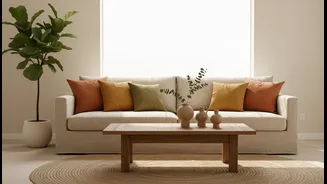
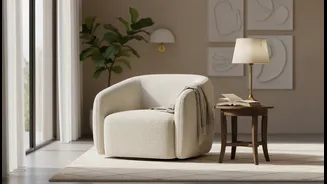
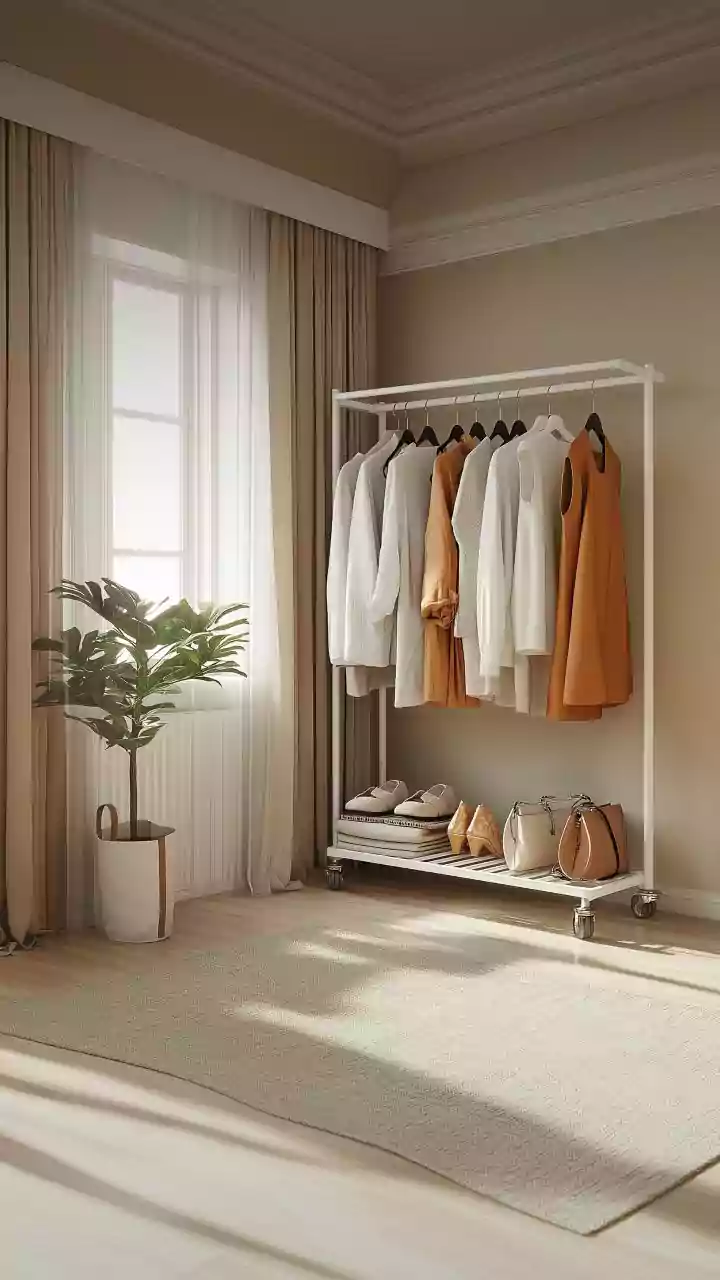
The first pillar of this human-centric minimalism is comfort. This isn’t just about adding a few pillows; it’s a deliberate focus on creating a physically and visually relaxing environment. Furniture choices lean towards pieces with soft curves and inviting textures, like bouclé sofas or armchairs upholstered in natural linen. The colour palette moves away from stark whites to a spectrum of warm neutrals: think shades of beige, taupe, soft greys, and earthy browns that create a soothing backdrop. Lighting is also crucial. Instead of harsh overhead lights, warm minimalism uses soft, diffused light from multiple sources—table lamps, floor lamps, and candles—to build a cozy, layered ambiance that feels both sophisticated and deeply comfortable.
The Art of Visible Memory
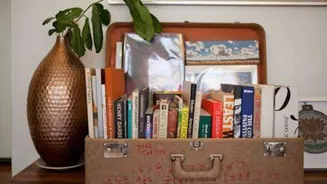
The second key element is the thoughtful inclusion of personal history. Where traditional minimalism might banish sentimental items to a storage box, this new approach invites them to be part of the decor. The key is curation. It’s not about displaying every knick-knack, but about choosing objects that hold genuine meaning and integrating them beautifully into the space. A cherished piece of artwork, a collection of family photographs, or a handmade quilt can become a focal point rather than clutter. These items tell a story, making the home a unique reflection of the people who live there. By surrounding yourself with fewer things, the objects you do choose to display—those that represent important relationships, experiences, and accomplishments—gain even greater significance.