







The Power of HIIT
High-Intensity Interval Training, or HIIT, involves short, explosive bursts of all-out effort followed by brief recovery periods. Think sprinting for 30 seconds, then walking for 60 seconds, and repeating. These workouts are incredibly time-efficient,
often lasting just 15 to 30 minutes. The primary appeal for a busy office employee is getting maximum benefit in minimum time. HIIT is excellent for improving cardiovascular health, boosting your metabolism, and burning more calories both during and after the workout—a phenomenon known as the 'afterburn effect'. Due to its intense nature, it can also help preserve lean muscle mass.
The Value of LISS Cardio
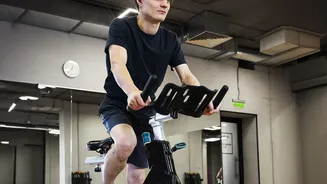
On the other end of the spectrum is Low-Intensity Steady-State cardio. LISS involves performing an aerobic activity at a low to moderate pace for a continuous period, typically 30 minutes or more. Examples include brisk walking, leisurely cycling, swimming, or using an elliptical at a consistent speed. The key is maintaining a pace where you could still hold a conversation. LISS is fantastic for building endurance, aiding recovery between tougher workouts, and improving overall heart health. It is also easier on the joints and less mentally daunting, making it more sustainable for beginners or on days when energy is low.
Why Balance Is Better Than 'Either/Or'
While it's tempting to pick one style, the most effective approach is to combine them. Relying solely on HIIT can lead to burnout, overtraining, and an increased risk of injury, as the high-impact movements place significant stress on the body. Too many intense sessions can even spike the stress hormone cortisol. On the other hand, only doing LISS might not provide the intensity needed for rapid fitness improvements. By balancing the two, you get the best of both worlds: the metabolic and time-saving benefits of HIIT, plus the endurance-building and recovery advantages of LISS. This combination prevents fitness plateaus and keeps your routine interesting.
The Desk Worker's Fitness Blueprint
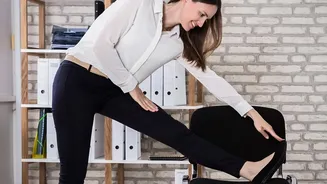
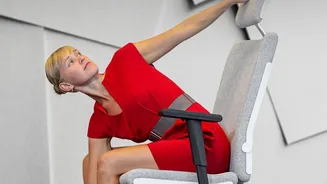
For someone who sits for most of the day, movement of any kind is crucial. Prolonged sitting is linked to poor posture and a higher risk of metabolic issues. A balanced fitness plan directly counters this. LISS is perfect for breaking up long sedentary periods. A brisk walk during your lunch break not only counts as a LISS session but also helps reset your mind and body. HIIT sessions, though short, provide a powerful stimulus to improve your cardiorespiratory fitness, which is vital for overall health. The goal isn't just to have one heroic workout, but to weave frequent, varied movement into your week.
A Sample Weekly Schedule
Finding a routine that works for you is key, but here is a sample schedule to get you started. Remember to listen to your body and adjust as needed. Aim for one to three HIIT sessions and two to three LISS sessions per week, ensuring you don't do HIIT on consecutive days to allow for recovery. - Monday: 30-45 minute LISS (e.g., brisk walking, cycling). - Tuesday: 20-minute HIIT session (bodyweight exercises like jumping jacks, squats, and push-ups). - Wednesday: Rest or active recovery (gentle stretching). - Thursday: 30-45 minute LISS (e.g., using a cross-trainer or swimming). - Friday: 20-minute HIIT session. - Saturday: 60-minute enjoyable LISS (e.g., a long walk in a park or a leisurely hike). - Sunday: Rest.
Making It Work in the Real World
Integrating exercise into a busy work life requires strategy. Schedule your workouts like appointments. Use your lunch break for a LISS walk. If you work from home, you can do short LISS activities like walking around the house while on a call. For HIIT, you don't need a gym; many effective routines use just your bodyweight. The key is consistency over intensity. Starting with just two LISS sessions and one HIIT session per week is a fantastic foundation. The best routine is the one you can stick with long-term.