






The Spark: What Is an Oil Shock?
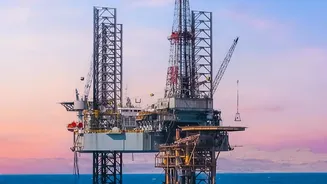
An oil shock is a sudden, sharp change in the price of crude oil, typically caused by major geopolitical events, conflicts, or coordinated supply cuts by oil-producing nations. Because oil is the lifeblood of the global economy, powering everything from
cars to factories, any disruption in its supply or a spike in its price sends ripples across the world. For a country like India, which is heavily dependent on other nations for its energy needs, these ripples can quickly turn into a tidal wave of economic pressure.
India's Core Vulnerability: Import Dependence
India imports nearly 90% of its crude oil, making it one of the world's largest oil importers. This heavy reliance means the country has very little control over the base price of this essential commodity. When global prices rise, India has to spend more US dollars to buy the same amount of oil, which puts pressure on its foreign exchange reserves and can weaken the rupee. This currency fluctuation adds another layer of cost, as a weaker rupee makes all imports, including oil, even more expensive. This increased import bill is the first step in the chain reaction that ultimately affects your travel plans.
The Direct Hit: Pricier Flights
The most immediate and obvious impact on travel budgets comes from airfares. Aviation Turbine Fuel (ATF), or jet fuel, is one of the single biggest operating costs for any airline, often accounting for 35-45% of their total expenses. ATF prices in India are directly linked to global crude oil rates. When crude becomes more expensive, oil marketing companies raise ATF prices, often on a fortnightly basis. Airlines, already operating in a highly competitive market, have little choice but to pass this increased cost on to passengers in the form of higher ticket prices or fuel surcharges. Adding to the problem, ATF is not under the GST regime, and different states levy their own Value Added Tax (VAT), with rates varying from as low as 1% to over 25%, creating huge price differences across the country.
On the Road: The Cost of Your Car or Cab
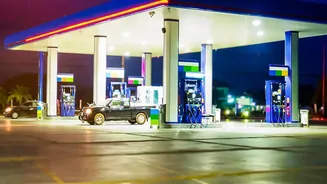
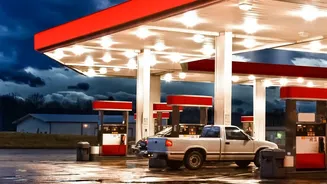
For those who prefer road trips, the impact is just as direct. The price you pay for petrol and diesel at the pump is a combination of the base crude oil price, refining costs, dealer commissions, and, crucially, central and state taxes. While the government can and sometimes does adjust excise duties to soften the blow, a sustained rise in crude oil prices almost inevitably leads to higher retail fuel prices. This makes self-driven holidays more expensive and also pushes up the fares for taxis and app-based cab services, as drivers need to cover their higher running costs.
The Hidden Costs: How It All Adds Up
The financial pain of an oil shock doesn't stop at the petrol pump or the airline ticketing counter. Higher diesel prices have a cascading effect across the entire tourism ecosystem. Diesel is the primary fuel for trucks that transport goods, including food, beverages, and other essential supplies to hotels and resorts across the country. When transport costs rise, so does the price of everything from a meal at a restaurant to the basic amenities at your hotel. Tour operators who use buses for sightseeing also face higher operational costs, which are then built into their package prices. Essentially, anything that needs to be moved from one place to another becomes more expensive, and those costs are ultimately borne by the consumer.