






The Psychology of Wanting
At its heart, this trend is powered by simple psychology. The principle of scarcity suggests that people assign a higher value to things that are less available. When an ingredient is only available for a few weeks a year, or grows only in a specific,
hard-to-reach terrain, it triggers a 'fear of missing out'. This transforms the act of eating from simple consumption into a unique, time-sensitive experience. Restaurants that feature these items aren't just selling food; they are offering a story, a sense of discovery, and a touch of exclusivity that diners find irresistible.
Beyond Farm-to-Table
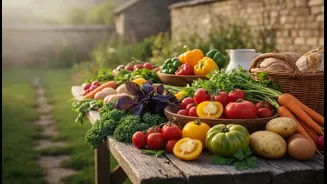
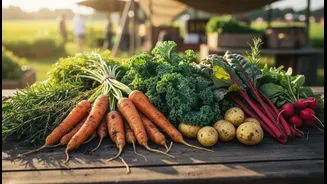
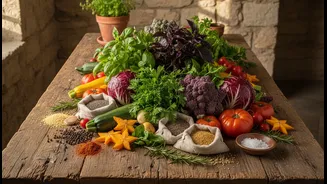
The term 'hyperlocal' takes the popular 'farm-to-table' concept a step further. It's not just about sourcing from nearby farms, but about celebrating ingredients from an immediate, specific locality—sometimes foraged from the wild or grown in a restaurant's own garden. In India, this has led to a rediscovery of the country's immense biodiversity. Chefs are moving away from standardised, pan-Indian menus to explore micro-cuisines defined by their unique local produce. Think of wild 'gucchi' mushrooms from the Himalayas, which appear only after the snow melts, 'takla' greens that sprout for a short window during the monsoon in Maharashtra, or the delicate flowers of the moringa tree. These are ingredients that cannot be mass-produced, and their charm lies precisely in their ephemeral nature.
Chefs as Curators and Storytellers
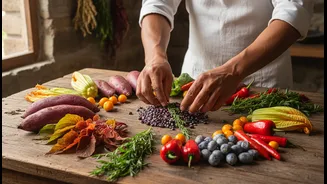
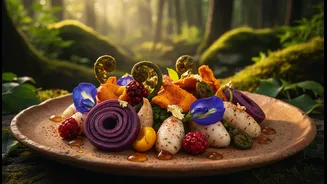
Leading Indian chefs are at the forefront of this movement, acting as both curators and storytellers. They are travelling to remote corners of the country, from the mountains of Ladakh to the forests of the Western Ghats, to learn from indigenous communities and foragers. Chefs like Vanika Choudhary of Mumbai's Noon and Thomas Zacharias, founder of The Locavore, have built their culinary philosophies around these principles. They incorporate ingredients like foraged fiddlehead ferns, Ladakhi herbs, and unique regional millets into their menus, introducing diners to flavours and traditions they may have never encountered. By doing so, they change the perception of what constitutes 'fine dining' in India, shifting the focus from imported luxury goods to the treasures in our own backyards.
An Engine for Sustainable Change
The desirability of scarce ingredients has powerful, positive ripple effects. It creates a commercial incentive for farmers and local communities to preserve and cultivate native species that might otherwise be forgotten. This focus on hyperlocal sourcing reduces food miles, lowers the carbon footprint of restaurants, and fosters a stronger connection between consumers and their food's origins. It also provides a vital source of income for local producers and foragers, empowering them and ensuring their traditional knowledge is valued and passed on. However, chefs stress the importance of responsibility; foraging must be done sustainably, without depleting resources or failing to acknowledge the communities who have been the custodians of this knowledge for generations.
The Thrill for the Diner
For the diner, this trend offers a far more engaging and meaningful experience. A dish featuring a hyperlocal, seasonal ingredient is more than just a meal; it's a connection to a specific time and place. Knowing that the 'karande' (air potato) in your dish was foraged from the Goan wilderness or that the 'kachnar' (Bauhinia) buds were harvested for a limited time in North India adds a layer of appreciation. Diners are increasingly curious and adventurous, eager to understand the story behind their food. This movement caters directly to that curiosity, turning every meal into an opportunity for discovery and a celebration of India's rich, diverse, and seasonal culinary heritage.