




When you think of khichdi, you think of comfort. When you think of training, you think of fuel. What if one of the world's best performance fuels could also be your favourite comfort food? Enter the humble oat, a nutritional powerhouse.
The Power of Complex Carbohydrates
Carbohydrates are
the body's primary source of energy, but not all carbs are created equal. They fall into two main categories: simple and complex. Simple carbs, like those in sugary snacks and refined flour, are broken down quickly, causing a rapid spike in blood sugar followed by a crash. Complex carbohydrates, found in whole grains like oats, are made of longer chains of sugar molecules. The body takes longer to break them down, leading to a slow, steady release of energy. This sustained fuel supply is what makes oats an ideal carbohydrate source, helping you avoid mid-workout fatigue and maintain consistent energy levels for longer periods.
Oats and the Glycemic Index
To understand energy release, we look at the glycemic index (GI), a scale that measures how quickly a food raises blood sugar. High-GI foods cause a rapid spike, while low-GI foods provide a more gradual increase. Oats generally have a low to medium GI, which is key to their effectiveness. However, processing matters. Minimally processed steel-cut oats have the lowest GI, providing the slowest energy release. Rolled oats are in the middle, while highly processed instant oats have a high GI and can cause the energy spike-and-crash cycle you want to avoid.
Your Ultimate Training Partner
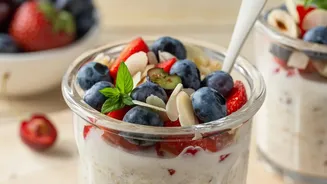
For athletes and fitness enthusiasts, oats are a game-changer for both pre- and post-workout nutrition. Consumed one to two hours before a session, a bowl of oats provides the sustained energy needed to power through a tough workout. The complex carbs slowly release glucose, fueling your muscles consistently. After a workout, your muscles need to replenish their glycogen (stored energy) stores. The carbohydrates in oats are perfect for this job. Pairing post-workout oats with a protein source, like nuts or yoghurt, helps with both glycogen restoration and muscle repair, making it a complete recovery meal.
The Beta_Glucan Benefit
One of the standout components of oats is a soluble fiber called beta_glucan. This fiber forms a gel_like substance in your gut, which slows down digestion. This process is what contributes to the slow release of energy and helps keep you feeling full for longer. But the benefits don't stop there. Beta_glucan has been extensively studied for its ability to help lower 'bad' LDL cholesterol levels, support a healthy immune system, and improve blood sugar control. This makes oats not just a great sports food, but a powerful addition to a heart_healthy diet.
Beyond the Breakfast Bowl: Oats Khichdi
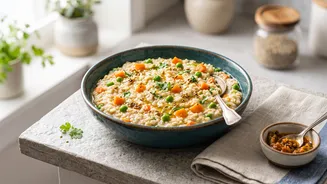
While sweet porridge is the most common way to eat oats, their versatility extends much further. A perfect example is Oats Khichdi, a savoury and nutritious twist on the traditional rice and lentil dish. By swapping rice for oats, you create a meal that is higher in fiber and has a lower glycemic index, making it more suitable for blood sugar management. A serving of oats khichdi can provide a balanced mix of carbohydrates, protein, and dietary fiber, often enhanced with vegetables and spices like turmeric and ginger. It’s a prime example of how this performance_boosting grain can be seamlessly integrated into wholesome, comforting Indian meals.