

An Accidental Experiment
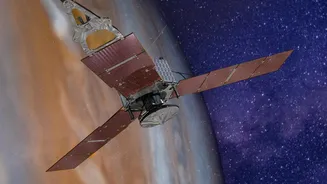
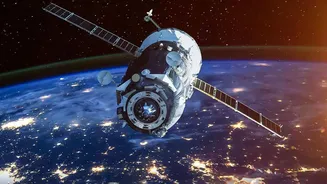
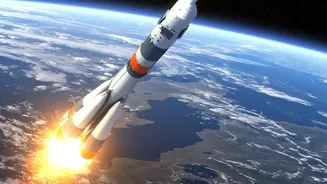
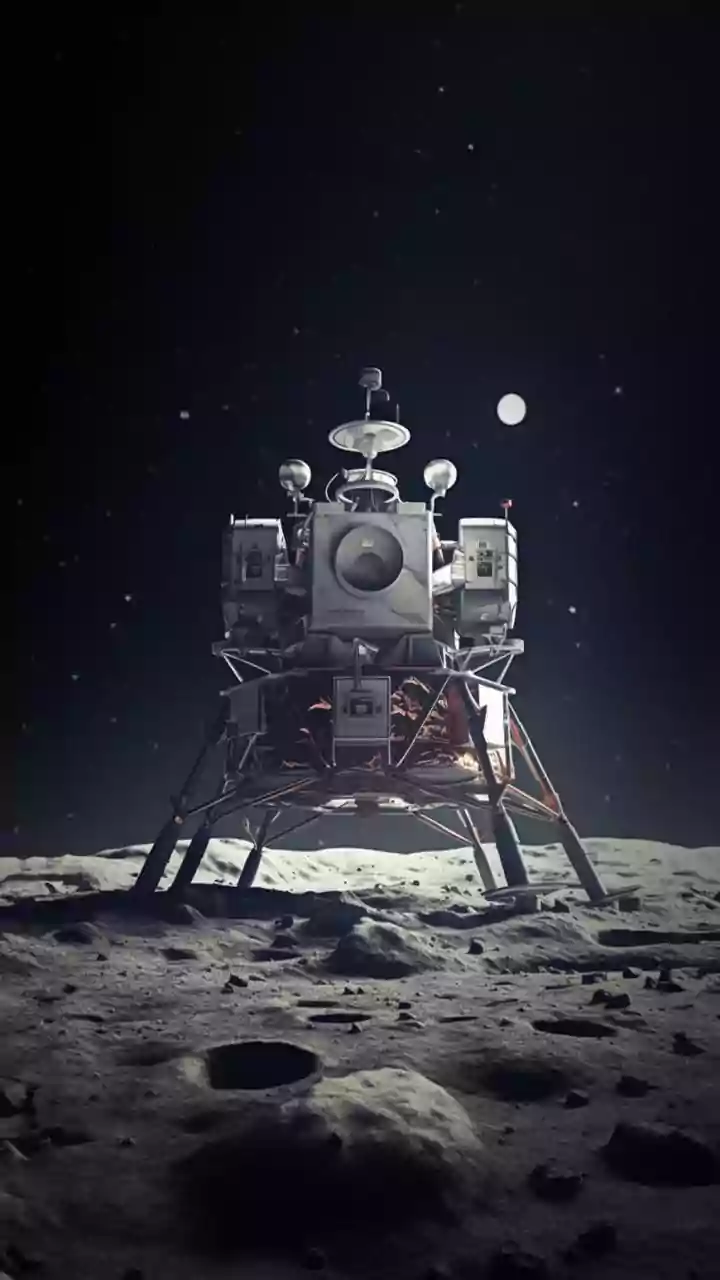
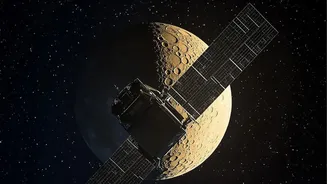
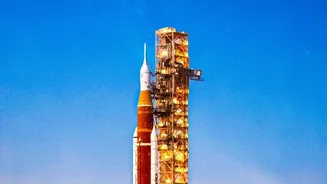
On August 5, 2026, the upper stage of a Falcon 9 rocket is expected to crash into the Moon. The rocket completed its mission in January 2025, deploying landers toward the Moon, and has been in a chaotic orbit ever since. Astronomers tracking its path
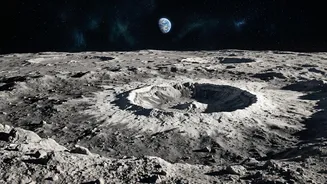
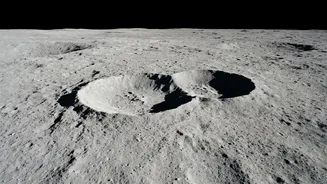
realised it was on a collision course. Far from being a catastrophe, scientists see this as a valuable, albeit accidental, experiment. The impact, which poses no danger, allows for the study of a collision from an object with known properties, helping to refine tracking techniques and understand crater formation. NASA confirmed it will attempt to observe the event with ground telescopes and its Lunar Reconnaissance Orbiter to image the crater afterwards.
A Cosmic Shooting Gallery
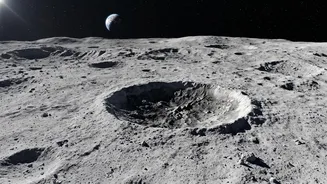
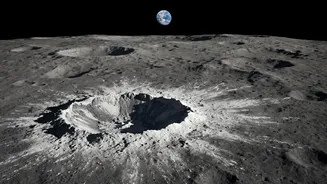
While a rocket hitting the Moon is rare, our natural satellite is constantly bombarded by meteoroids. NASA estimates that roughly 100 pebble-to-fist-sized objects strike the Moon every day. These are too small to be tracked in advance. In total, about 2,800 kg of meteor material hits the Moon daily. Larger impacts are far less frequent. An object several metres across might hit the Moon only once every few years. Because the Moon has virtually no atmosphere to burn up incoming objects, even small particles traveling at high speeds can create visible flashes and new craters upon impact.
Spotting the Flashes
So how do scientists locate these impacts? Most are not predicted but detected as they happen. Programs like NASA's Meteoroid Environment Office use ground-based telescopes to monitor the unlit portion of the Moon, looking for brief, bright flashes of light. These flashes are the result of kinetic energy converting into heat and light upon impact. To rule out false positives from cosmic rays or satellites glinting in the sun, observations are often confirmed by a second telescope at a different location. Specialised software can then analyze video feeds to automatically detect these fleeting events, which often last less than a tenth of a second.
India's Lunar Perspective
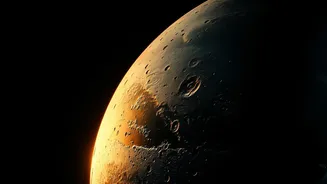
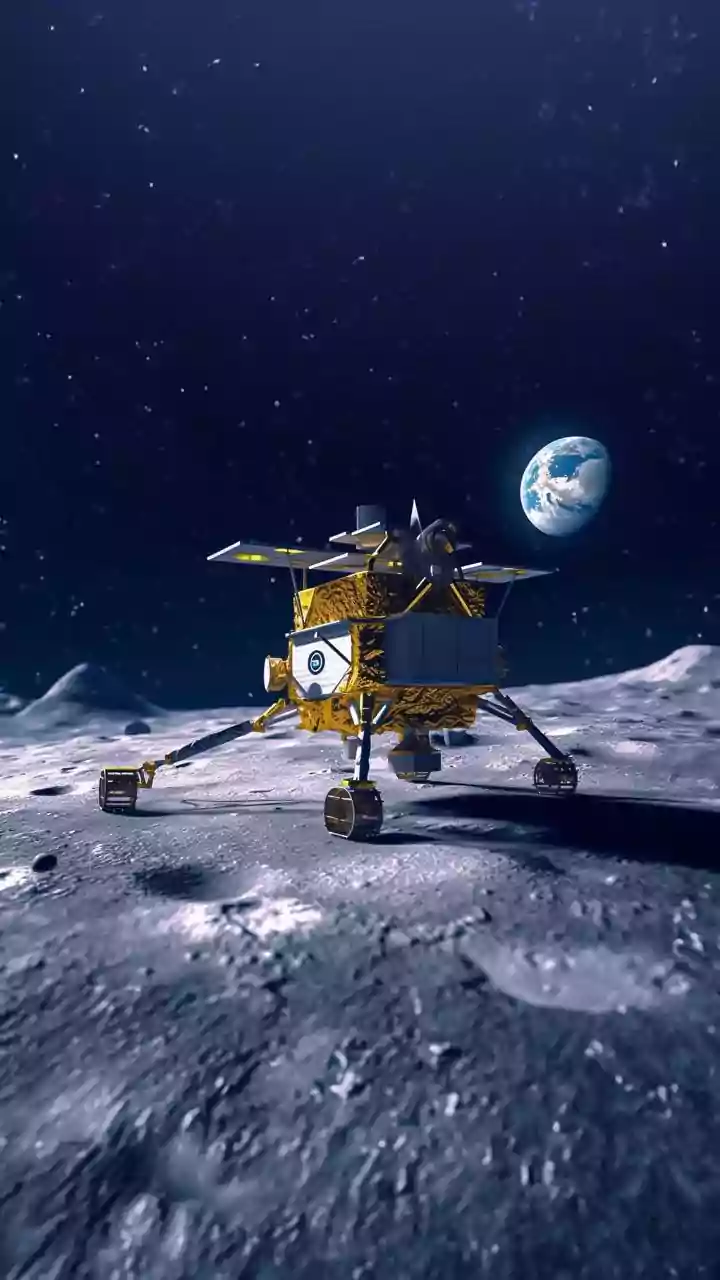
India's own lunar missions have provided invaluable tools for understanding the lunar surface, which is essential for impact studies. The primary goal of ISRO's Chandrayaan missions has been the high-resolution mapping of the Moon's topography, minerals, and the search for water. The Terrain Mapping Camera on Chandrayaan-1, for instance, created a detailed 3D atlas of the lunar surface. While not designed for real-time impact detection, the high-resolution images from orbiters can be used to spot new craters that have formed between observation periods, helping to verify the rate of impacts over time. Chandrayaan-1's Moon Impact Probe also deliberately crashed onto the surface in 2008, providing data on the thin lunar atmosphere.
Why This Research Matters
Studying lunar impacts, both natural and artificial, serves several key purposes. It helps scientists understand the distribution and frequency of meteoroids in our corner of the solar system, which is crucial for assessing risks to spacecraft and future astronauts. For planned long-term lunar bases, knowing the odds of an impact in a specific area is vital for safety. Furthermore, the ejecta—the material kicked up from a crater—can reveal details about the composition of the lunar soil and what lies just beneath the surface, offering geological insights without needing to land and dig. The upcoming SpaceX rocket impact is a perfect chance to calibrate models by observing the size of the plume and the resulting crater from a known mass and velocity.