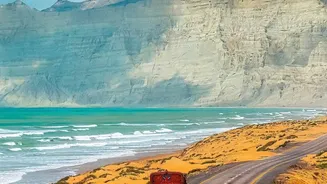

A Fundamental Shift in Wanderlust
A significant travel trend is unfolding across India. An increasing number of people are swapping flights and trains for the freedom of the open road. This isn't just about reaching a destination; it's a conscious choice to embrace the journey. The classic
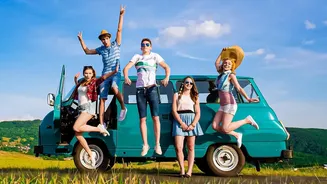
annual vacation is giving way to more frequent, shorter, and spontaneous trips, often planned just weeks or even days in advance. This shift is particularly strong among younger generations like Millennials and Gen Z, who are driven by a desire for unique, personal, and authentic experiences rather than ticking off a generic bucket list. They seek cultural connection and self-discovery, which is found more readily on a winding road than in a crowded airport.
Why the Open Road Is Calling
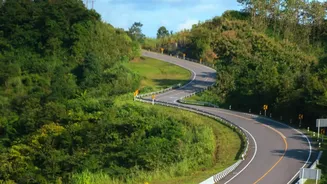
Several factors are fuelling this boom in 'drivecations'. The most significant is India's rapidly expanding and improving highway infrastructure. New expressways and well-maintained national highways have drastically cut travel times and made long-distance driving faster, safer, and more comfortable. Driving a few hundred kilometres for a weekend getaway is no longer a daunting task but an attractive option. This improved connectivity allows travellers to explore regions that were previously difficult to access, opening up a world of possibilities beyond the main tourist circuits. The flexibility to travel without luggage restrictions, stop at will, and set your own schedule adds to the appeal, offering a sense of control and freedom that other forms of travel cannot match.
Beyond the Usual Tourist Trail
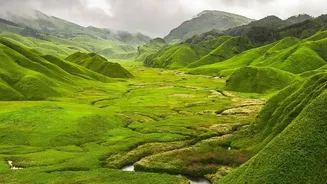
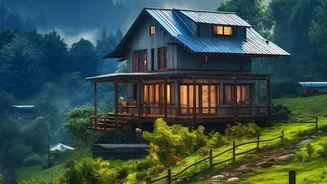
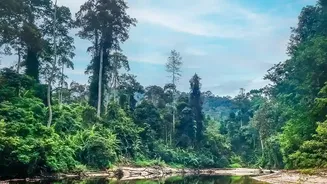
So, where are these roads leading? Away from the crowds and towards India's hidden gems. These offbeat destinations offer tranquillity and a genuine connection to the local culture. Instead of Goa, discerning travellers might head to the quieter beaches of Gokarna in Karnataka or Varkala in Kerala. In the north, the high-altitude deserts of Spiti and the pristine landscapes of Gurez Valley are attracting adventurers seeking solitude and stunning scenery. In central India, historical towns like Orchha and Mandu in Madhya Pradesh offer architectural marvels without the queues. The northeast is also gaining prominence, with travellers exploring the unique tribal culture of Ziro Valley in Arunachal Pradesh and the world’s largest river island, Majuli, in Assam. These places promise a more meaningful experience, allowing travellers to interact with local communities and discover a side of India that remains untouched by mass tourism.
The New Age of Indian Exploration
This trend signifies more than just a change in travel habits; it reflects a deeper cultural shift. It’s about a growing appreciation for domestic travel and the discovery of India's immense diversity. The rise of road trips is boosting local economies in remote areas, bringing new opportunities to small businesses, from homestays to local eateries. Technology plays a crucial role, with GPS navigation making it easy to venture into the unknown and social media feeds providing inspiration for the next journey. For the modern Indian traveller, the car has become a vessel of discovery. It’s a tool for breaking away from the predictable and crafting a personal adventure, one kilometre at a time.